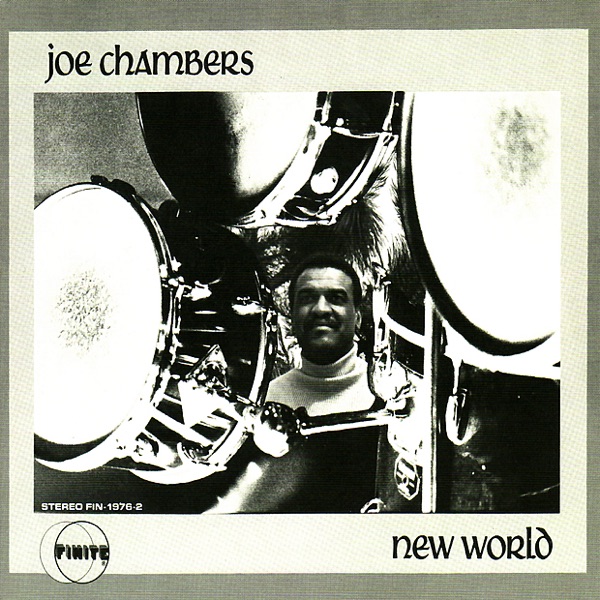
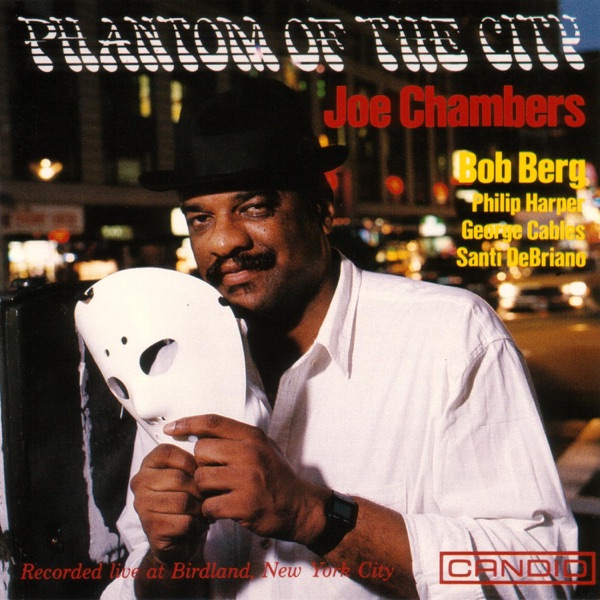
Always in the Room
There is a version of jazz history where Joe Chambers is much more famous than he actually is. He played drums on sessions with Bobby Hutcherson, Andrew Hill, Freddie Hubbard, Eric Dolphy, and Wayne Shorter during one of the most fertile stretches Blue Note ever had. If you have spent any real time with that catalog, you have already heard him dozens of times. He has a particular thing going on rhythmically — he is loose without being sloppy, and he pushes the music forward in a way that feels conversational rather than mechanical. He listens hard, and you can hear it.
His work as a sideman in the 1960s is where most listeners encounter him first, and honestly, it holds up. On records like Dialogue (1965) with Bobby Hutcherson, he is doing something genuinely interesting: not just keeping time but actively shaping the texture of the music. Andrew Hill's sessions in particular gave him space to stretch, and he used it well. Hill was not an easy bandleader to play with — his rhythmic conception was unusual enough that it required a drummer who could stay grounded while also being flexible, and Chambers did that better than almost anyone.
As a composer, he has often been underrated. He wrote tunes that got picked up by other musicians, which in jazz is a real measure of how good a composer you are. His pieces tend to have interesting harmonic movement without being clever for its own sake, which is rarer than it sounds. He also led his own dates during this period, though those records never got the attention they deserved when they came out.
The vibraphone chapter of his career is worth taking seriously. He did not come to it as a novelty or a late-career pivot for its own sake — he had been working on it for years before making it a primary focus. His approach on the instrument shares something with his drumming: a willingness to leave space, to let the sound decay naturally rather than filling every moment. If you know Bobby Hutcherson's playing well, Chambers is doing something in a related neighborhood but with his own personality. He is less harmonically adventurous than Hutcherson, more directly swinging.
The honest way to describe Joe Chambers is that he has had a long, productive career doing exactly what he is good at, and jazz listeners who go looking for him in the Blue Note catalog will keep finding him in places they did not expect. He is not someone who transformed the instrument or invented a new language. What he did was show up, play well on records that mattered, write some good tunes, and keep developing as a musician well into his later years. That is more than enough.