
A Father's Island, A Son's Song
Silver's Brazil trip sparked something deeper—a portrait of heritage through the lens of hard bop.
Horace Silver made Song for My Father (1965) after a trip to Brazil that left a mark on the music -- but the album is not primarily about Brazil. Brazil shaped the sound of the title track, whose opening groove carries the rhythmic influence of bossa nova and samba. The emotional center, though, is Silver's father. John Tavares Silva -- Silver anglicized the family name -- was born on the island of Maio in the Cape Verde Islands, whose population has long carried a mixture of Portuguese colonial and West African roots. Silver's mother was of African American and Native American descent (according to Silver's own accounts). The cover photograph of his father tells you what this record is about. This was not abstract meditation; it was family.
What makes the album work is that Silver never lets the personal story get in the way of the music itself. The album actually features two different quintet lineups recorded at separate sessions, though both brought a similar tightness and swing to the material. The compositions sit in that sweet spot where hard bop meets soul jazz -- there is meat on the bones, but there is also warmth. Silver's piano playing has this conversational quality, like he is working something out in real time. The rhythm section locks in tight, and the horns respond. It is not complicated, but it is completely effective.
What has kept this album alive is not timing -- it is the compositions. The title track became a standard because it had something to say and said it with unusual clarity. Silver proved that personal motivation and musical quality could be the same thing. You play better when something matters to you, and it shows in every groove here.
Who's playing
Theodore "Teddy" Smithdouble bass
Gene Taylordouble bass
Horace Silverpiano
Joe Hendersontenor saxophone
Junior Cooktenor saxophone
Carmell Jonestrumpet
Blue Mitchelltrumpet
Roger Humphriesdrums
Roy Brooksdrums
Where next?
More by Horace Silver

Blowin' The Blues Away 1959
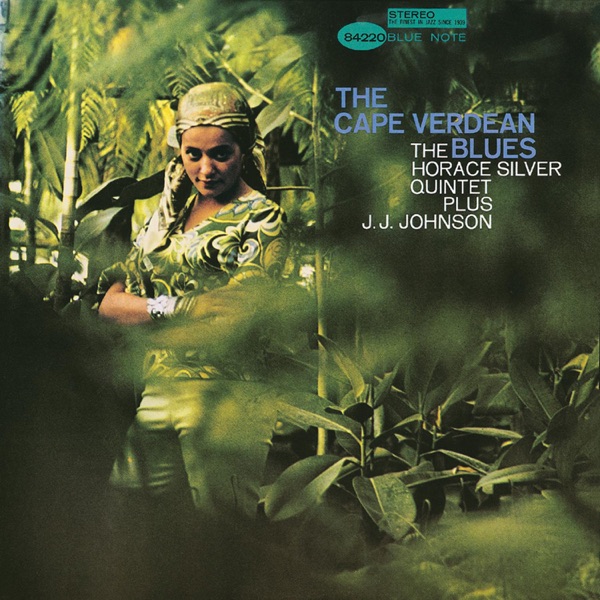
The Cape Verdean Blues 1965

Six Pieces Of Silver 1959

Horace Silver And The Jazz Messengers 1955
The musicians on this record
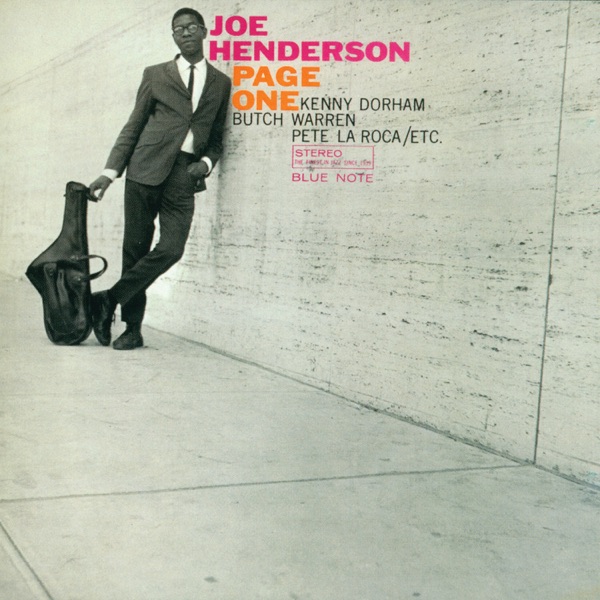
Page One 1963
Joe Henderson
plays tenor saxophone here
plays tenor saxophone here

Junior's Cookin' 1961
Junior Cook
plays tenor saxophone here
plays tenor saxophone here


