1959 · Album
Six Pieces Of Silver
Recorded 1959 · Blue Note Records · Produced by Alfred Lion

Silver's Elegant Formulas For Small-Group Soul
Six Pieces of Silver finds Horace Silver playing it smart, not flashy, with tunes that stick.
By this point in his career, Horace Silver had already proven he could write a hook. Six Pieces of Silver (1959) is the sound of a composer confident enough to keep things simple. The album opens with the title track, a minor-key blues with a melody so clean it sounds inevitable, and that sets the tone for what follows. These aren't complicated pieces. They're well-built ones. Silver keeps his piano playing economical here—lots of space, lots of listening to the other players. You get the sense he's more interested in the band's conversation than in showing off what his left hand can do.
The real revelation is hearing Junior Cook on tenor saxophone and Blue Mitchell on trumpet working in this tight ensemble. They're not soloing over Silver's music so much as they're part of the same idea. On tracks like "Opus de Funk" and "Señor Blues," everything feels purposeful and relaxed at once. The rhythm section—Eugene Taylor on bass and Louis Hayes on drums—keeps things moving without rushing. This is straightforward jazz, but straightforward doesn't mean boring. The album has a blue-collar quality to it, a refusal to complicate things just for complexity's sake.
This isn't Silver's most adventurous recording, and it's not the one newcomers should start with. Go to Song for My People (1964) if you want to hear his full ambition. But Six Pieces of Silver matters because it shows what happens when a talented bandleader decides that good taste and clear writing are enough. The tunes are memorable. The playing is honest. Sometimes that's exactly what you need.
Who's playing
Where next?
More by Horace Silver

Song For My Father 1964

Blowin' The Blues Away 1959
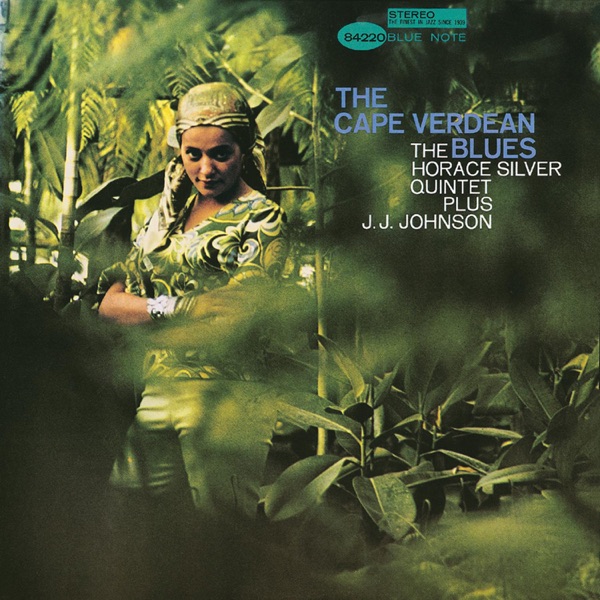
The Cape Verdean Blues 1965

Horace Silver And The Jazz Messengers 1955
The musicians on this record

Byrd in Flight 1960
Donald Byrd
plays trumpet here
plays trumpet here

Soul Station 1960
Hank Mobley
plays tenor saxophone here
plays tenor saxophone here


