1965 · Album
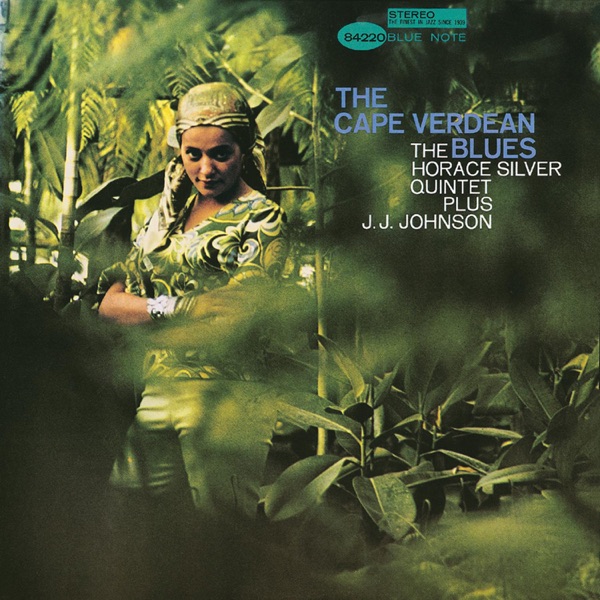
The Cape Verdean Blues
Recorded 1964 · Blue Note Records · Produced by Alfred Lion
Island Grooves Meet American Soul
Silver brings Cape Verdean rhythms into the hard bop conversation without apology or exotica.
By the time Horace Silver cut The Cape Verdean Blues (1965), he'd already established himself as one of hard bop's most reliable composers and bandleaders. This record finds him exploring the music of Cape Verde, those volcanic islands off the coast of West Africa, and the results land somewhere between his typical funky grooves and something genuinely unfamiliar. It's not a concept album in the precious sense—Silver isn't pretending to be an ethnomusicologist. He's just taking what moves him from another tradition and filtering it through his own sensibility.
What makes this work is that Silver doesn't overthink it. The horn section—Joe Henderson on tenor sax and Woody Shaw on trumpet—snap into these rhythms naturally, like they've been playing them forever. Shaw especially brings a bright, almost Caribbean tone to his solo work. The rhythm section, anchored by Gene Taylor on bass and Roger Humphries on drums, locks into grooves that feel both deliberate and loose. Songs like the title track pulse with a momentum that feels genuine rather than grafted on. This isn't Silver at his absolute peak—that would be earlier records like Song for My People (1963)—but it's a fascinating detour, proof that he never lost curiosity about where jazz could go.
If you're already deep in Silver's catalog, this one's worth investigating. If you're starting out, begin with Moanin' (1958) or Opus de Funk (1961) first. They're tighter, more immediately satisfying. But once you understand what Silver does best, come back here to see him taking risks, genuinely intrigued by rhythms and melodies that existed before bebop ever happened.
Who's playing
Bob Cranshawdouble bass
Horace Silverpiano
Joe Hendersontenor saxophone
Woody Shawtrumpet
J.J. Johnsontrombone
Roger Humphriesdrums
Where next?
More by Horace Silver

Song For My Father 1964

Blowin' The Blues Away 1959

Six Pieces Of Silver 1959

Horace Silver And The Jazz Messengers 1955
The musicians on this record
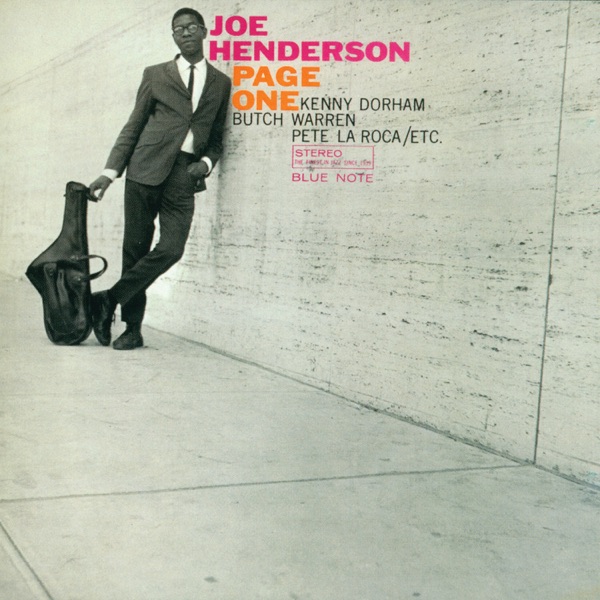
Page One 1963
Joe Henderson
plays tenor saxophone here
plays tenor saxophone here
♫
In the Beginning 1965
Woody Shaw
plays trumpet here
plays trumpet here


