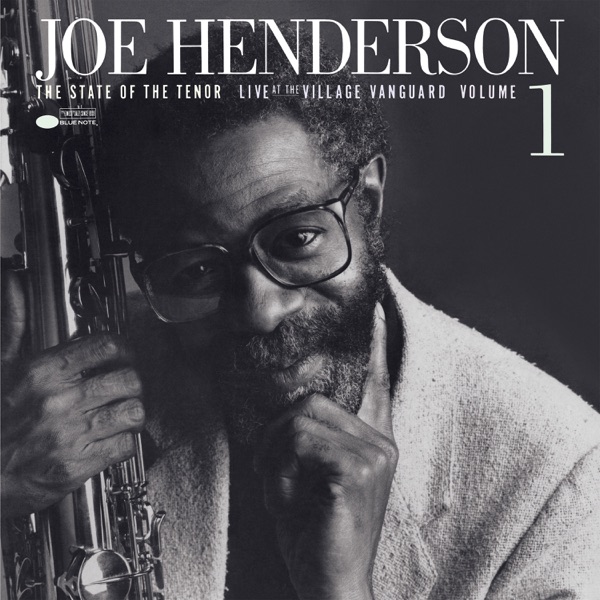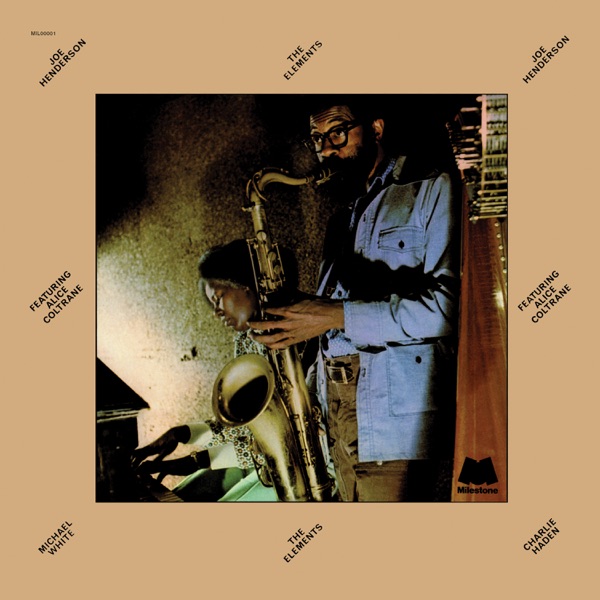
The Architect of Harmonic Space
Joe Henderson was the real deal from the moment he started recording in the early 1960s. His tenor sax had this clean, direct sound that just cut through everything, and he knew his way around chords better than most guys playing at the time. While other saxophonists were still figuring out what they wanted to sound like, Henderson was asking questions—like, what else can I do with this progression? What happens if I approach it this way instead?
You could hear this in his early work as a sideman with people like Horace Silver and Kenny Dorham. He fit in everywhere. He understood bebop inside and out, but he also got what Miles Davis and John Coltrane were doing with modal stuff. He wasn't choosing sides—he just had the tools to work in any setting.
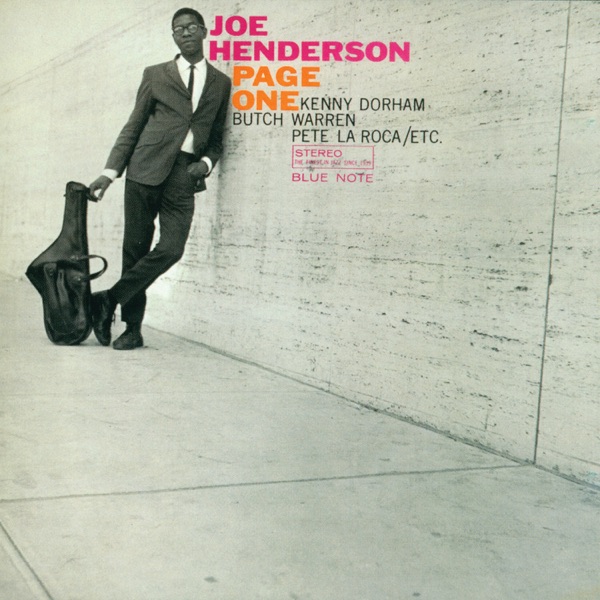
Once he started leading his own bands in 1962, you realized he was a composer too, and a real one. Albums like Page One (1963) and Our Thing had these carefully written pieces that were tricky without being show-offy. They swung, and they made you think, but they didn't feel academic. When he soloed, he sounded like someone in a conversation—he'd listen to what the piano player did, respond to it, build something from there. No need to blow everyone's head off just to prove he could.
The 1960s at Blue Note Records were when he did his best work, both leading sessions and playing alongside other musicians. Playing with McCoy Tyner and Jack McDuff showed how flexible he was, but his acoustic stuff was where you really heard what made him special. Songs like "Inner Urge" and "Round Midnight" stuck around because they had real structure and memorable melodies that other musicians actually wanted to learn from.
Things got quieter for him in the '70s and '80s, but then he made So Near, So Far (1992) with pianist Wyatt Ruther, and it reminded everyone why he mattered. He sounded like himself but deeper, like someone who'd thought about everything for thirty years and finally figured out how to say it simply. He kept working until he died in 2001, and if you want to understand what a saxophonist can do with harmony and melody, his records are essential.