1962 · Album
Double Rainbow
Recorded 1962 · Blue Note Records · Produced by Alfred Lion

Henderson's Modal Journey Into Bright Territory
Double Rainbow shows Henderson working through modal territory with the kind of directness that made him essential.
Double Rainbow finds Joe Henderson early in his recording career, working through material that sits somewhere between the hard bop he'd absorbed and the modal explorations that were reshaping jazz. This isn't Henderson at his most famous or most fully realized—that would come later—but it's a solid, honest record that shows him figuring things out in real time. The album has an intentional quality, like Henderson is testing different approaches to composition and improvisation rather than settling into a comfortable groove.
What makes this record distinct is its lack of pretension. Henderson plays with directness here, his tenor sound clear and purposeful without the elaborate texturing he'd develop in later decades. The tunes move along at working speeds, and there's a sense that everyone involved is solving the problems of the music as they go. You can hear Henderson's ear for melody and structure, but he's not yet the complete voice he'd become. The rhythm section keeps things grounded and functional rather than pushing into new territory, which actually serves the material—there's room to hear what Henderson is thinking.
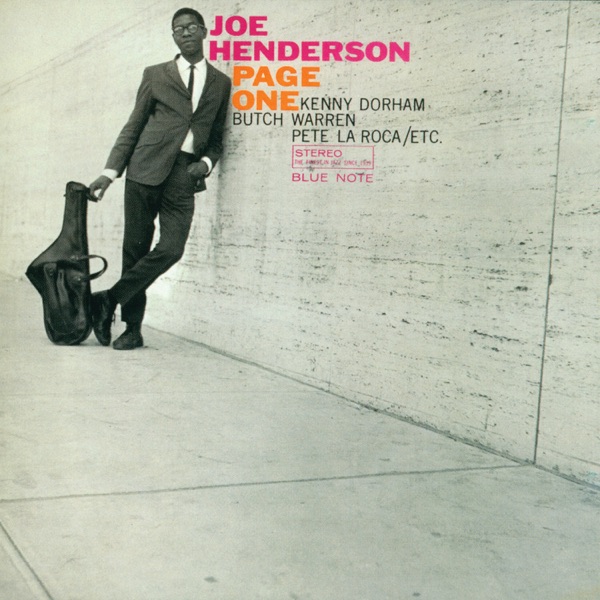
For most listeners, Double Rainbow is a secondary Henderson recording. If you're coming to him for the first time, start with Page One (1963) or Mode for Joe (1966), where he sounds more confident and fully formed. But if you're already familiar with those records and want to understand how he got there, Double Rainbow shows the working musician, the tenor player still assembling his voice from the raw materials around him. It's the kind of album that rewards repeat listening more than immediate impact, and that's fine. Not every record needs to grab you by the throat.