1966 · Album
Mode For Joe
Recorded 1966 · Blue Note Records · Produced by Alfred Lion

Joe Henderson Finding His Voice in Modal Space
Henderson navigates modal jazz with the confidence of someone who's already figured out what matters.
Mode for Joe captures Joe Henderson early in his career, working through the modal possibilities that were reshaping jazz in the late fifties. This isn't Henderson fully formed—his tone is still settling, his ideas still organizing themselves—but it's fascinating to hear him thinking out loud over these structures. The album has a different feel than much of what was happening at the time. Where other players were either committing fully to the new modal approach or clinging to bebop language, Henderson seems genuinely curious, testing how far he can push inside these frameworks without abandoning swing.
What makes this record distinct is how deliberately paced it feels. Henderson doesn't rush to fill space, and the rhythm section gives him room to breathe. The tracks here have an exploratory quality—not tentative exactly, but genuinely searching. His tenor sound is warm and direct, without the aggressive edge he'd develop later. You can hear him listening to the harmonies, asking questions of them. The album works best when you're not expecting fireworks. This is a thinking player's record, which means it rewards attention more than it commands it.
If you're getting into Henderson, this isn't where most people start—that would be something like Mode for Joe's more celebrated successors. But if you want to understand how he developed his approach and why his later work hit so hard, this is valuable ground. It's not a masterpiece, but it's honest and it matters. Henderson sounds like someone figuring out his own language rather than borrowing someone else's, and that process is always worth witnessing.
Who's playing
Ron Carterdouble bass
Cedar Waltonpiano
Joe Hendersontenor saxophone
Lee Morgantrumpet
Curtis Fullertrombone
Joe Chambersdrums
Bobby Hutchersonvibraphone
Where next?
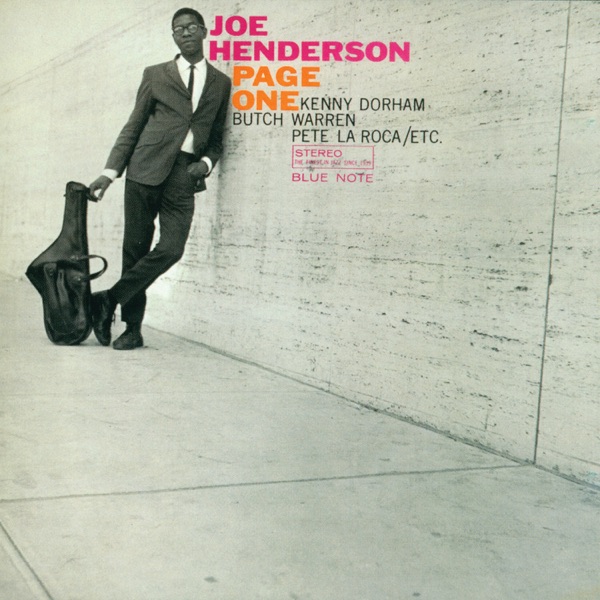


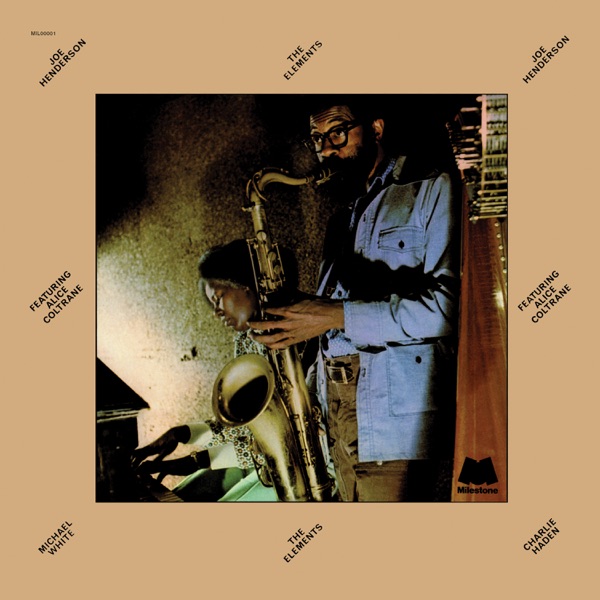
The musicians on this record

Cornbread 1965
Lee Morgan
plays trumpet here
plays trumpet here

Dialogue 1965
Bobby Hutcherson
plays vibraphone here
plays vibraphone here
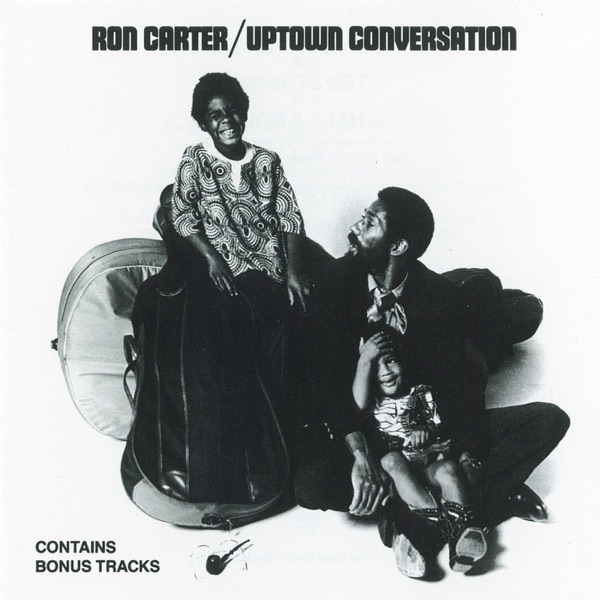
Uptown Conversation 1969
Ron Carter
plays double bass here
plays double bass here
♫
Spectrum 1968
Cedar Walton
plays piano here
plays piano here


