
A Tenorman's Raw Appetite for Sound
Henderson strips away excess here, letting each solo breathe with purpose and muscle.
Inner Urge sits right in the middle of Joe Henderson's run of essential Blue Note recordings, and it's one of those albums that rewards repeated listening without ever becoming comfortable. Recorded in 1964, it captures Henderson at a point where he'd moved beyond copying John Coltrane's sheets and developed his own language—warm but edgy, conversational but never casual. What strikes you first is how tight the band is. Bob Cranshaw on bass and Joe Chambers on drums keep everything grounded and propulsive, while McCoy Tyner on piano brings that muscular, angular approach that made his work with Coltrane so essential. Henderson's tenor tone here is rounded but direct, with a slight rasp that cuts through without aggression.
The album opens with "Inner Urge," a medium-tempo blues that lets everyone state their intentions clearly. Henderson takes his time, exploring the changes without rushing, and Tyner responds with these slashing block chords that feel both modern and rooted. "Serenity" slows things down—it's perhaps the closest thing to a ballad here—and Henderson's playing becomes almost conversational, like he's thinking through the melody in real time. The real centerpiece is "The Kicker," which sits somewhere between bebop and the freer territory Henderson would explore later. It's not experimental in any flashy way; it's just a rigorous exploration of what happens when skilled players find the pocket and stay there.
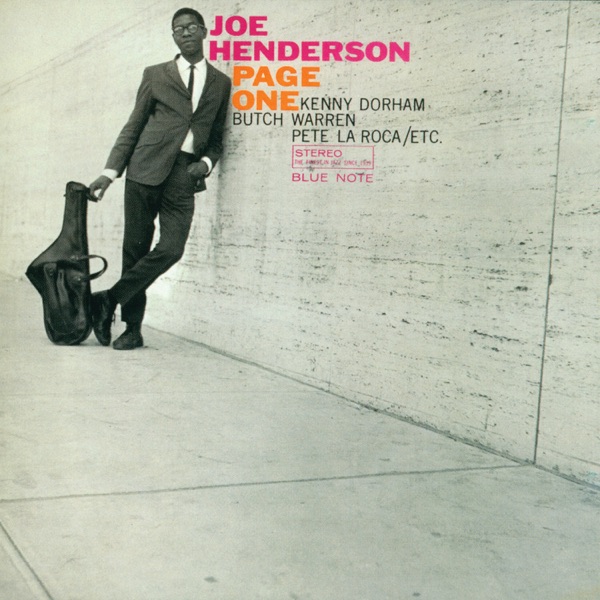
This isn't Henderson's most famous album—that distinction probably belongs to Page One (1963)—but it's arguably more fully realized. He'd already proven he could play; here he's proving he had something particular to say. If you've heard Mode for Joe (1966) or In Pursuit of Blackness (1971) and want to understand where he was coming from, Inner Urge is essential groundwork. It's not a masterpiece in some untouchable sense, but it's honest, swinging, and it refuses to waste your time.
Who's playing
Where next?


The musicians on this record

The Real McCoy 1967
McCoy Tyner
plays piano here
plays piano here

Dear John C. 1965
Elvin Jones
plays drums (drum set) here
plays drums (drum set) here


