The Architecture of Controlled Fire
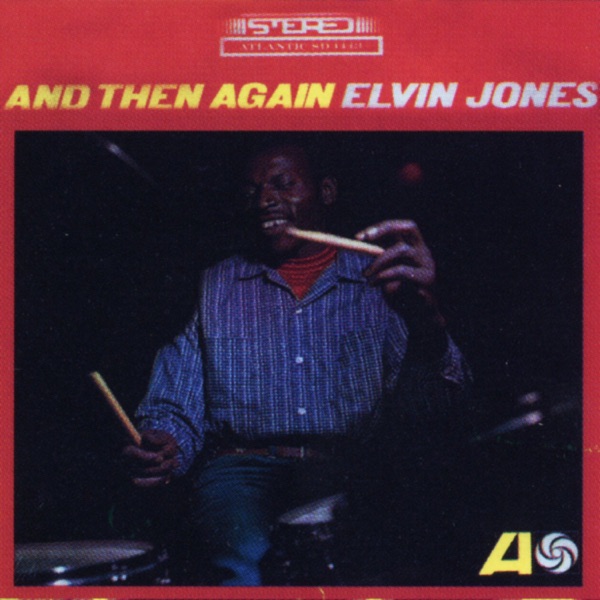
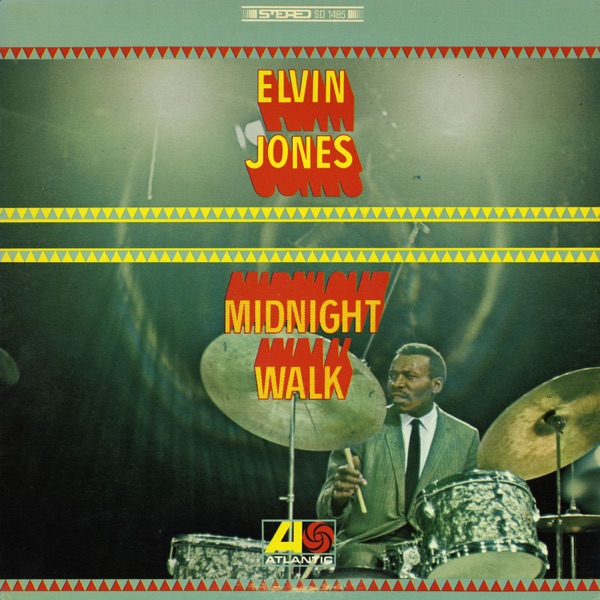
Elvin Jones came up through music the way a lot of great musicians do—his family was already doing it. His brothers Hank and Thad played trumpet, and Thad wrote too, so drums were just the natural instrument left for Elvin. Growing up in Pontiac, Michigan, he heard all the swing standards around him, but he wasn't interested in just copying what he heard. He wanted to figure out what else drums could do. By the early 1950s, when he started playing professionally, he'd taken what Kenny Clarke and Max Roach had done with bebop and pushed it further—thinking bigger about the drummer's role, almost like the kit could sound like an entire section by itself.
When he started playing with John Coltrane in 1960, something really clicked. Listen to A Love Supreme (1965) or Coltrane's later records where he was exploring modal stuff and free playing—Elvin sounds like he's in a constant conversation with the saxophone. His ride cymbal creates this rolling, pushing foundation, but then his bass drum and snare are doing something completely different above and below it. He'd sometimes play ahead of where Coltrane was going, sometimes hang back and create space. It wasn't just keeping time; it was actually playing music together.
What made Elvin stand out was how restless he was. He wouldn't stay in one groove for long, even in the middle of a solo. He'd shift between straight swing feel, then suddenly hit you with polyrhythms, then start exploring pure sounds on the drums without worrying about time signatures. But it never felt random—there was always swing underneath it, always a sense of why he was doing it. His cymbal work especially was something else. He could make that ride cymbal talk, gentle one second and explosive the next, switching between brushes, mallets, and his bare hands. It sounded almost like a voice.
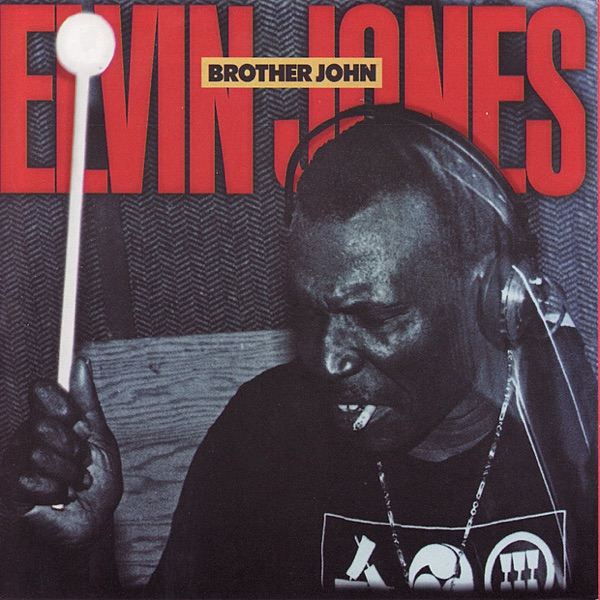
Elvin didn't just sit around after Coltrane either. He toured constantly, recorded his own albums, played with Duke Ellington, worked with Rashied Ali, always moving. Later on, he played fusion, stayed current with what was happening in jazz, but he never abandoned that spiritual searching that had always been part of his playing. Even when he got older and his body slowed down, you could still hear exactly who it was—a drummer who understood that the kit could be as quiet as a whisper or as loud as anything else in the band, and that every sound mattered.
When Elvin died in 2004, he left behind a way of thinking about drums that still matters. He proved that the rhythm section could be just as interesting and important as whatever the horns were doing, that you didn't have to choose between swinging hard and exploring new ideas. Almost every drummer worth listening to since the 1960s learned something from what he did.