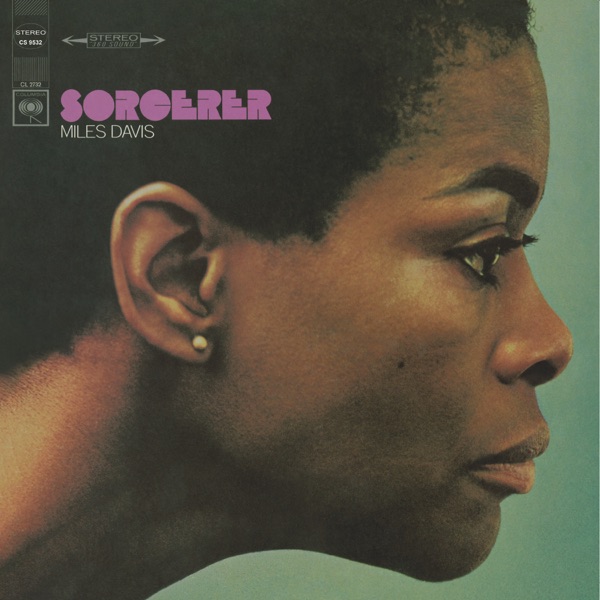
1965 · Album
Dear John C.
Recorded 1960 · Riverside Records · Produced by Cannonball Adderley

A Drummer's Conversation with Time
Elvin Jones speaks through pure rhythm, turning a simple gesture into something that demands your full attention.
Elvin Jones was already a legend when he made Dear John C. (1960), but this album catches him at a moment where he's pushing past what people expected from a drummer. By this point in his career, he'd established himself as one of the most powerful and inventive timekeepers in jazz, but he wasn't interested in just keeping time anymore. Here he leads a small group that includes John Coltrane on tenor saxophone, and the whole session has this urgent, searching quality—like two musicians who've found something they need to say to each other.
The recording isn't flashy or polished in a commercial sense. It's direct and sometimes rough around the edges, which is exactly what makes it work. Jones doesn't play like a drummer accompanying soloists; he plays like he's in conversation with everyone else in the room. Watch what he does under Coltrane—he's not following, exactly, but responding, pushing back, creating this architecture of sound that makes space for the saxophone while never disappearing. The title track especially shows this: it's got a kind of tender, determined quality despite the intensity. These aren't exercises or showpieces. They're genuine explorations.
This isn't Jones's most famous record, and it's not the place most people start with him. But for anyone who wants to understand why Elvin Jones mattered beyond the Blue Note records and the albums he made leading into the 1960s, this is essential. It's a snapshot of a musician thinking out loud, treating the drums as a complete voice rather than a supporting instrument. That was radical then. It still is.
Who's playing
Richard Davisdouble bass
“Sir” Roland Hannapiano
Hank Jonespiano accordion
Charlie Marianoalto saxophone
Elvin Jonesdrums
Where next?
More by Elvin Jones
All 13 albums →


The musicians on this record
Their own records, close in time