1961 · Album
The Impulse Story
Recorded 1960-1961 · Impulse Records · Produced by Bob Thiele
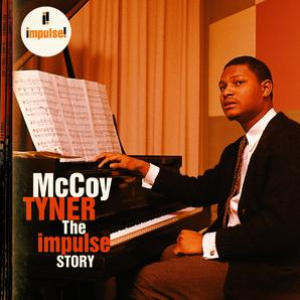
McCoy Tyner's Modal Conversations at Impulse
Tyner bends modal harmony into deeply personal statements, finding space where others hear complexity.
McCoy Tyner arrived at Impulse Records already formed as a pianist—his time with John Coltrane had sharpened his approach to modal jazz and given him the confidence to voice chords in ways that felt both modern and rooted. The Impulse Story captures him in a period of artistic certainty, working in settings that let him lead rather than support. What you hear here is Tyner thinking out loud on the keyboard, his left hand anchoring sheets of sound while his right hand explores melodies with surprising lyricism. This isn't flashy virtuosity. It's purposeful, sometimes austere, always listening to what the musicians around him are doing.
What makes this collection distinctive is how it shows Tyner's range within a focused aesthetic. He's not trying to prove he can play bebop faster or swing harder than anyone else. Instead, he's interested in how a pianist can shape the emotional temperature of a room through harmonic choice and touch. Some tracks move with patient grace, others push against the rhythm section with real urgency. The recording quality—typical of Impulse's meticulous studio approach—lets you hear the details: the resonance of the piano, the breathing space between notes, the exact moment a solo finds its footing.
For listeners new to Tyner, this represents him at a confident point in his career, neither his debut nor a late-career summary, but genuinely in his element. It's not the place most people start with him—that would probably be his work with Coltrane—but it's worth seeking out if you want to understand what Tyner valued as a bandleader and composer. The album rewards patient listening more than it demands immediate emotional surrender.
Who's playing
Jimmy Garrisondouble bass
Reggie Workmandouble bass
Steve Davisdouble bass
McCoy Tynerpiano
John Coltranesoprano saxophone
Elvin Jonesdrums
Lex Humphriesdrums
Where next?
More by McCoy Tyner
All 14 albums →

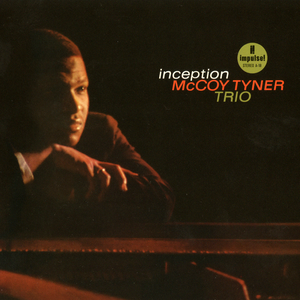
The musicians on this record

Giant Steps 1960
John Coltrane
plays soprano saxophone here
plays soprano saxophone here
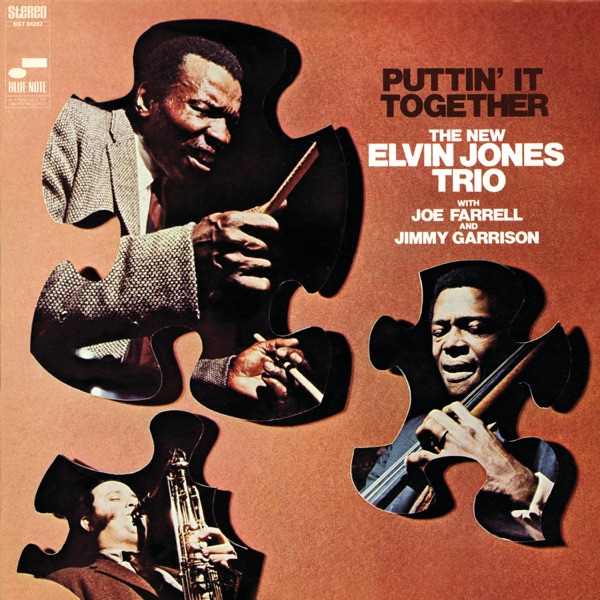
Puttin' It Together 1959
Elvin Jones
plays drums (drum set) here
plays drums (drum set) here