The Drummer Who Led the Way
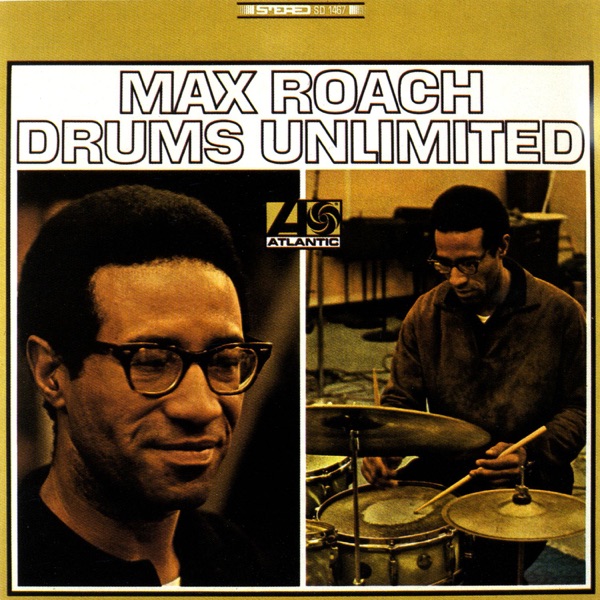
Max Roach showed up in the mid-1940s right when bebop was changing everything, but he wasn't just keeping time. Playing with Charlie Parker, Dizzy Gillespie, and Thelonious Monk, he figured out something nobody else quite had: the drums could play melody and harmony, not just the beat. His snare was clean and sharp, his tom-toms could have actual conversations, and his bass drum did its own thing entirely. The whole kit became an instrument that could speak. He listened to everyone around him like they were teaching him something new every night, and he answered back. He was in the band, not above it.
By the 1950s, Roach was really searching. He and trumpeter Clifford Brown made one of jazz's best partnerships—those 1954-1955 recordings catch a band that just worked. Roach played beautifully and didn't need to take over; he made everyone else sound better. But even while that was happening, his head was already somewhere else. He started writing longer pieces, working with orchestras, thinking about rhythm as structure instead of just dividing up beats. Deeds, Not Words (1958) — a good place to start if you want to hear him leading a band rather than just anchoring one — and his time with Sonny Rollins showed he could write smart arrangements and still swing hard.
The 1960s changed how he saw his own music. Albums like We Insist! Freedom Now Suite used the drums as protest—he brought in spoken word, free jazz, nothing polished about it. For Roach, the music and the activism were the same thing. He marched, he spoke up, and his playing got wilder and more open, full of silence and sudden bursts. Abbey Lincoln sang with that same fire on his records, her voice cutting right through.
Even when he got older, Roach kept pushing. He played with Anthony Braxton, worked with younger drummers, never got comfortable being "the legend." He asked what was still possible in jazz, kept asking it until the end. Every drummer since—Tony Williams, Jack DeJohnette, all of them—learned from him so deeply they don't even think about it. Roach showed you that the real artists are the ones who refuse to stop moving.


