
The Drummer Speaks His Mind
Max Roach stops playing it safe and demands you listen to what he's actually saying.
By the time It's Time (1962) came around, Max Roach had already proven himself one of jazz's most inventive drummers and bandleaders. But this album finds him doing something different—leaning harder into composition and arrangement, turning his drumming into something more conversational and less about pure technique. The record has a restless quality to it, like Roach refused to settle into any comfortable groove for too long. Tracks shift between modal explorations and tighter, bebop-influenced passages, but nothing feels scattered. Instead it feels intentional, like watching someone think through problems in real time.
What makes this stand out from his other work is how much space Roach gives to composition here. He's not just conducting a rhythm section—he's orchestrating ideas. The rhythm section locks in when it needs to, but there's also room for things to breathe and shift. The band sounds engaged rather than polished, which actually works in the record's favor. There's a conversation happening, not a performance being delivered. Some listeners looking for the tighter, more lyrical approach of his earlier work might find this a bit uneven, but that's exactly the point. Roach was experimenting.
This is not the place to start if you're new to Max Roach. Happenings (1965) shows a more fully realized version of where he was heading. But It's Time matters because it catches him in the middle of figuring something out, refusing to repeat himself. If you already know his music and want to hear him restless and searching, this one's worth your time.
Who's playing
Art Davisbass
Mal Waldronpiano
Clifford Jordantenor saxophone
Richard Williamstrumpet
Julian Priestertrombone
Max Roachdrums
Where next?
More by Max Roach

We Insist! Max Roach's Freedom Now Suite 1961

Deeds, Not Words 1958

Jazz In 3/4 Time 1957
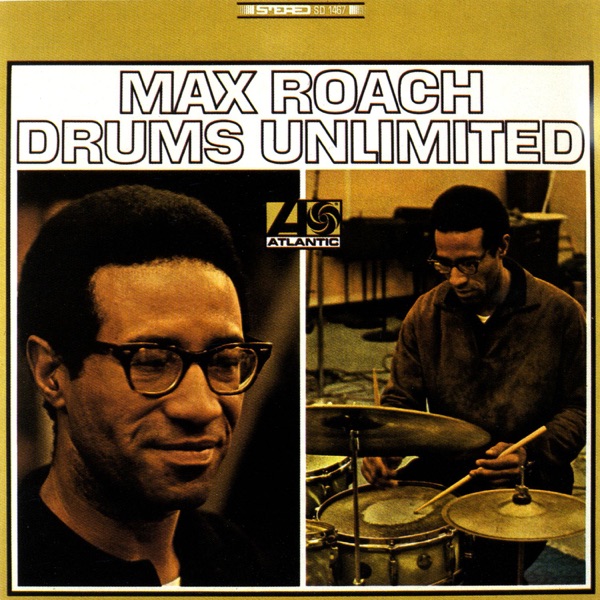
Drums Unlimited 1966
The musicians on this record

Left Alone 1960
Mal Waldron
plays piano here
plays piano here

Masters From Different Worlds 1994
Julian Priester
plays trombone here
plays trombone here


