She Chose Her Own Words
Abbey Lincoln was born Anna Marie Wooldridge in Chicago in 1930, and she went through a few names and a few identities before she figured out who she actually was. Early in her career she was packaged as a glamorous club singer — there were publicity shots, a carefully managed image, the whole thing. She could sing, obviously, but the presentation was calculated to appeal to a mainstream audience that wanted something pretty and non-threatening. That version of Abbey Lincoln didn't last long.
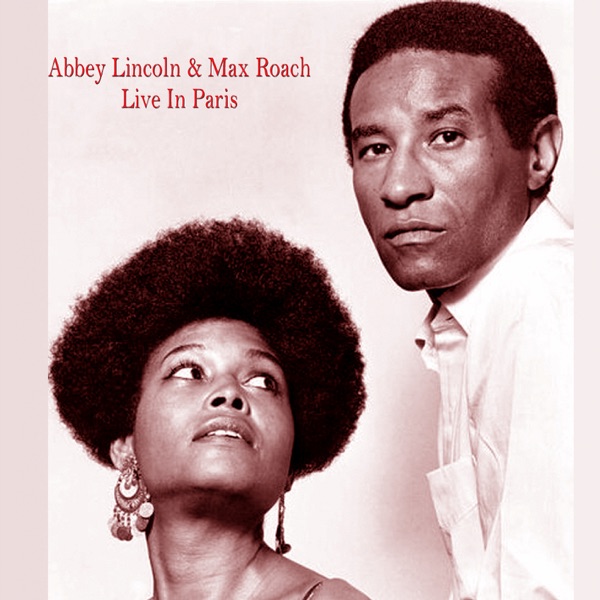
The pivot happened through her relationship with drummer Max Roach, whom she later married. He was deep in the civil rights movement and connected to musicians who believed jazz had something urgent to say about American life. Lincoln absorbed all of that. By the time she recorded We Insist! Freedom Now Suite (1960) with Roach, she wasn't just a singer fronting a band — she was a collaborator on a politically explicit piece of music that addressed slavery and the struggle for African American freedom directly. The screaming she does on one of those tracks isn't a stylistic flourish. It's controlled, deliberate, and genuinely unsettling.
As a singer she's worth understanding on her own terms, separate from the politics. Her voice is not conventionally pretty in the way that jazz singing often is. It's dry in places, a little rough at the edges, and she phrases things in ways that feel spoken as much as sung. She takes her time. She holds back where another singer might push. The effect is that you feel like she's actually telling you something rather than performing a song at you. Straight Ahead (1961) is a good place to start — it has that quality all the way through.
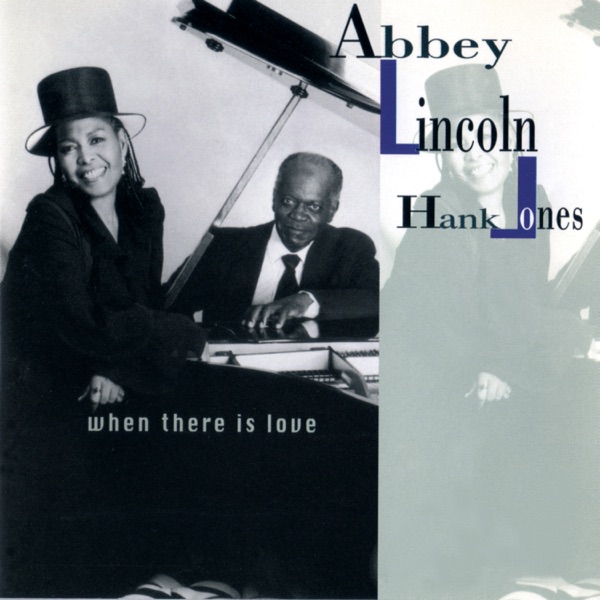
She went quiet for much of the 1970s and then came back in the 1980s with a whole new body of work, mostly on the Verve label. Albums like The World Is Falling Down (1990) and Devil's Got Your Tongue (1992) showed a songwriter who had fully arrived. Most of these later songs she wrote herself, and they deal with love, Africa, spirituality, and loss without ever getting vague about it. She had gotten more direct with age, not less.
What's easy to miss if you come to her through the civil rights angle is how funny and warm she could be, and how much she understood about intimacy in a song. She wasn't only the woman screaming on the Freedom Now Suite. She was also someone who could make a quiet, late-night ballad feel genuinely private. Both things are true, and the range between them is part of what makes her catalog worth spending real time with.