1995 · Album
A Turtle’s Dream
Recorded May, August, and November 1994 at Clinton Recording Studios, New York City · Verve Records and Gitanes Jazz Productions · Produced by Not specified in provided sources

Lincoln's Unhurried Mastery at Full Strength
Lincoln sounds like she's finally found the space to be completely herself—careful, deliberate, and unrushed.
A Turtle's Dream finds Abbey Lincoln working with a carefully assembled ensemble that gives her room to breathe without ever feeling sparse. The core trio of Rodney Kendrick on piano, Charlie Haden on bass, and Victor Lewis on drums provides a foundation that's attentive and respectful—they're listening to Lincoln, not playing around her. When the string section enters, it's never lush or orchestral in the way that can swallow a vocalist whole. Instead, the strings seem to create space, a backdrop that lets her voice sit forward and clear.
Lincoln's phrasing here is spare and intentional. She's not rushing phrases or pushing for effect. There's a quality of consideration in how she approaches each lyric, and you can hear the band responding to that—everyone playing with the kind of patience you don't find on every record. The guest appearances from Pat Metheny and Kenny Barron on piano, along with Roy Hargrove on trumpet, add color without clutter. This is a record where every person who plays seems to understand they're serving the song and the vocalist first.
The New York Times critic Stephen Holden recognized this as special, placing it first in his annual consumer guide and calling it profoundly beautiful. It's easy to hear why—this is Lincoln late in her career, finally with a setting that matches her level of thought and intention. The album was nominated for a Grammy for Best Jazz Vocal Performance, which accurately reflects how seriously it was taken at the time. If you know Lincoln's work, this represents her at full command of her voice and her ability to make a room listen.
Who's playing
Charlie Hadendouble bass
Pat Methenyacoustic guitar
Victor Lewisdrums
Anne-Gaëlle Bisquaycello
Pierre Blanchardviolin
Frédéric Fymardviola
Marc Giletcello
Vincent Pagliarinviolin
Where next?
More by Abbey Lincoln
All 26 albums →


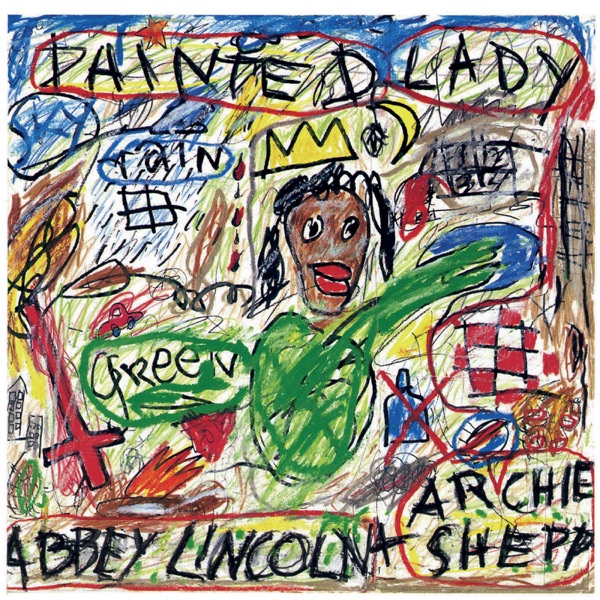
The musicians on this record

Beyond The Missouri Sky 1997
Charlie Haden
plays double bass here
plays double bass here

Secret Story 1992
Pat Metheny
plays acoustic guitar here
plays acoustic guitar here