
Abbey Lincoln Finds Her Voice
Lincoln picked up where Billie Holiday left off, singing about what actually mattered.
Abbey Is Blue arrives at a turning point in Abbey Lincoln's career. By this point, she'd already recorded several albums, but this one captured something different — a singer coming into full command of her instrument and, more importantly, her artistic purpose. The sessions were cut for Riverside, a label that gave jazz singers room to breathe and choose material that meant something to them beyond commercial appeal.
What makes this album stand out is how direct Lincoln sounds. She's not performing for approval or hiding behind technique. AllMusic reviewer Scott Yanow gave the album four and a half stars, noting that "Abbey Lincoln is quite emotional and distinctive during a particularly strong set." That emotional directness is the whole point. These weren't just standards played well — they were songs picked because they let her say something true. With the civil rights movement emerging and African American artists starting to claim real creative control, Lincoln was among those who refused to stick with what the industry expected. She sang about subjects that mattered.
All About Jazz also awarded four and a half stars, with David Rickert calling it "a breakthrough performance in jazz singing." That word — breakthrough — matters. This is where Lincoln stopped being a capable vocalist and became an artist with something urgent to communicate. If you're coming to her work for the first time, this is a solid entry point, and honestly one of her strongest records. The album shows a singer awake to her own power.
Who's playing
Bob Boswelldouble bass
Sam Jonesdouble bass
Wynton Kellypiano
Cedar Waltonpiano
Les Spannguitar
Stanley Turrentinetenor saxophone
Tommy Turrentinetrumpet
Kenny Dorhamtrumpet
Julian Priestertrombone
Max Roachdrums
Philly Joe Jonesdrums
Where next?


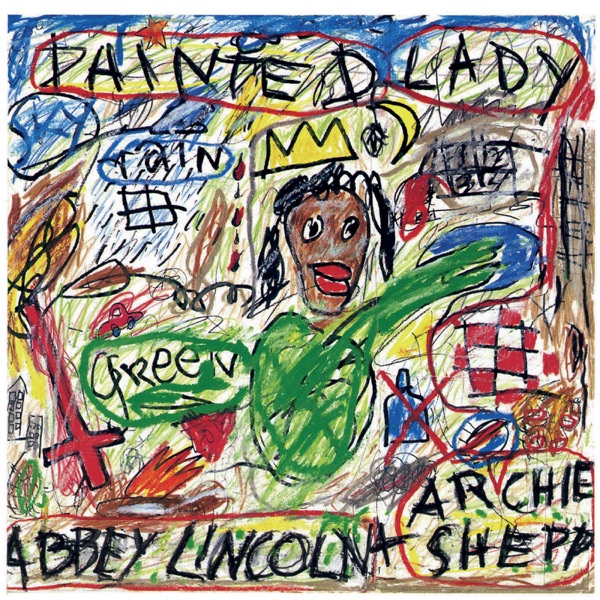

The musicians on this record

Kelly Blue 1959
Wynton Kelly
plays piano here
plays piano here
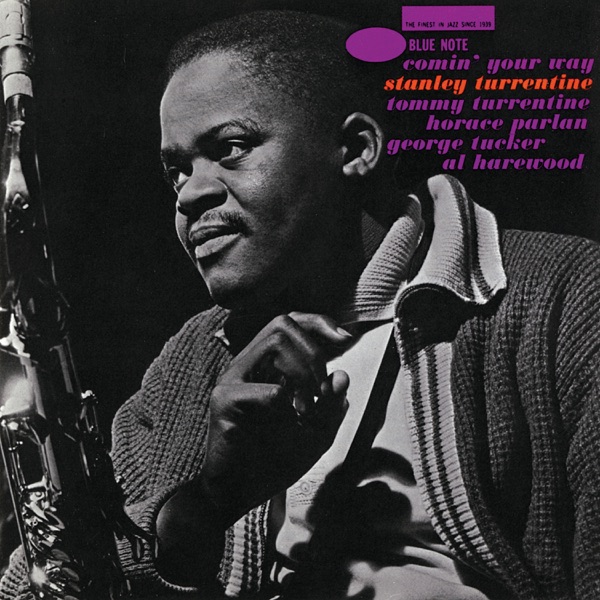
Comin’ Your Way 1960
Stanley Turrentine
plays tenor saxophone here
plays tenor saxophone here

Quiet Kenny 1960
Kenny Dorham
plays trumpet here
plays trumpet here

Kenny Drew Trio 1957
Philly Joe Jones
plays drums (drum set) here
plays drums (drum set) here


