1961 · Album
Straight Ahead
Recorded 1961 · Candid · Produced by Not specified in available sources

Lincoln Confronting Herself
For the first time, Lincoln seems willing to confront her music rather than stand up-stage of it.
Straight Ahead arrives at a pivotal moment in Abbey Lincoln's career. By 1961, she had already established herself as a skilled vocalist, but something shifts here. This is the record where she stops performing around the material and starts engaging with it directly. The Candid sessions capture a different kind of presence—rawer, more willing to take risks, less concerned with smoothing the edges for comfort.
What makes this album stand out is precisely that directness. "Retribution" crystallizes the change. It's a track that doesn't ask for approval or affection. Lincoln inhabits the song with a clarity that feels almost confrontational, and the critics at The Penguin Guide to Jazz Recordings recognized it immediately: "Raw, responsive and aware." This is not the Abbey Lincoln of carefully composed vocal performances. This is someone deciding that honesty matters more than polish.
AllMusic reviewer Scott Yanow called it one of her greatest recordings, and that assessment holds weight. Straight Ahead marks a turning point where Lincoln's artistic voice becomes indistinguishable from her personal conviction. If you know her later work—particularly her collaborations with Max Roach and her more politically engaged recordings—this album shows the moment that commitment began to crystallize. It's essential listening if you want to understand how she evolved from an accomplished vocalist into an artist with something urgent to say.
Who's playing
Art Davisbass
Mal Waldronpiano
Walter Bentontenor saxophone
Coleman Hawkinstenor saxophone
Booker Littletrumpet
Julian Priestertrombone
Max Roachdrums
Roger “Montego Joe” Sanderscongas
Robert Whitleycongas
Eric Dolphyreeds
Where next?


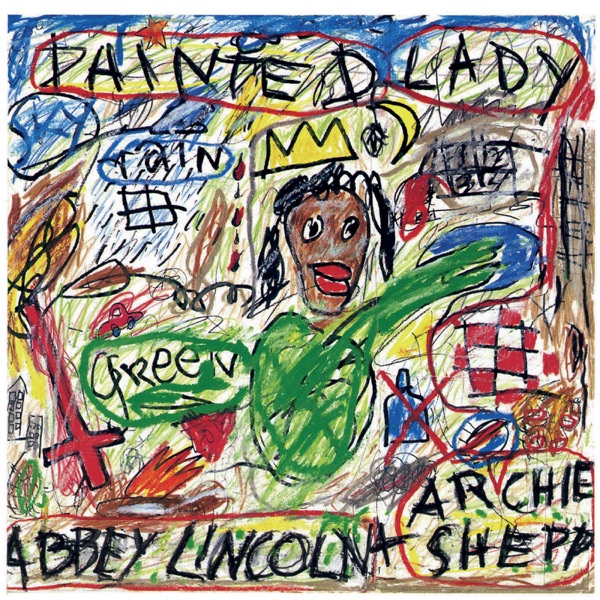

The musicians on this record

Out to Lunch 1964
Eric Dolphy
plays reeds here
plays reeds here

At the Five Spot, Volume 1 1961
Booker Little
plays trumpet here
plays trumpet here

Duke Ellington Meets Coleman Hawkins 1963
Coleman Hawkins
plays tenor saxophone here
plays tenor saxophone here
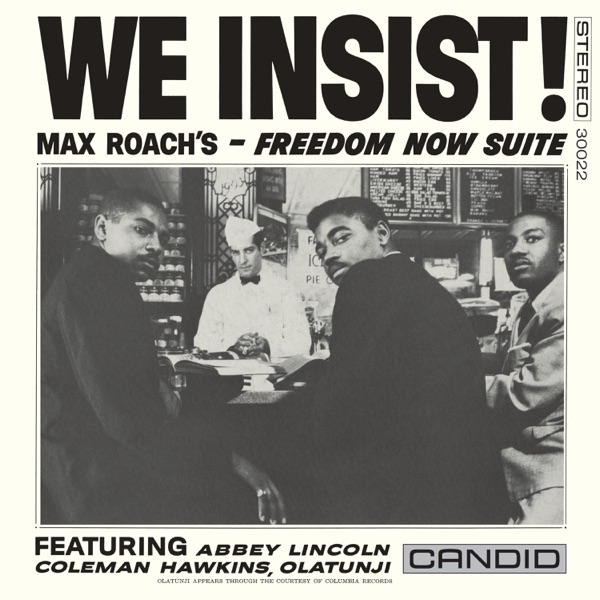
We Insist! Max Roach's Freedom Now Suite 1961
Max Roach
plays drums (drum set) here
plays drums (drum set) here


