1961 · Album
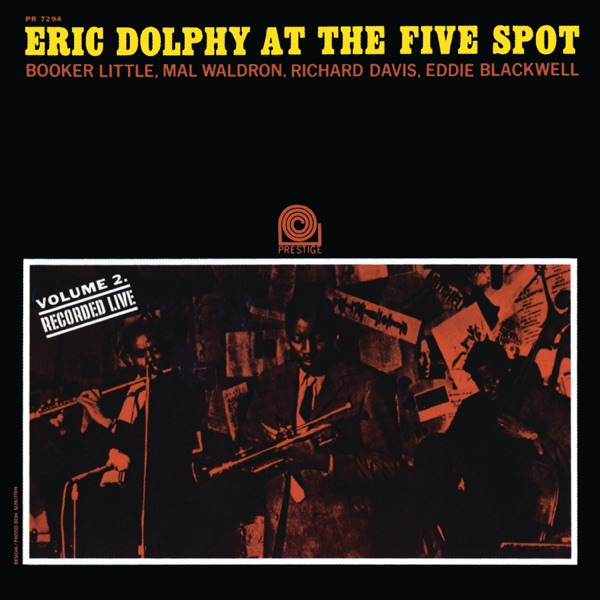
At the Five Spot, Volume 1
Recorded July 16, 1961 at the Five Spot, New York · Prestige Records · Engineer: Rudy Van Gelder

One Night That Changed Progressive Jazz
Dolphy and Little explored dissonance and atonality that made them targets for critics but heroes to the avant-garde.
When Eric Dolphy and Booker Little walked into the Five Spot on July 16, 1961, they had no idea this single night would become a landmark in jazz history. Prestige Records captured it, and the resulting albums—released in 1961 and 1963—landed among musicians and serious listeners as proof that the post-bop explosion was real and unstoppable. Critic Michael G. Nastos later wrote that the group had "developed into a role model for all progressive jazz combos to come," and AllMusic ranked the first volume 4/4. This wasn't a slow-burn cult record. It was recognized almost immediately as essential.
What makes this music so vital is the sheer coordination of five musicians playing at the edge of control without falling apart. Dolphy's alto sax and Little's trumpet wove around each other in passages that sounded fragmented but weren't—they had rehearsed, they knew where they were going. Mal Waldron's piano provided architecture; Richard Davis on bass and Ed Blackwell on drums didn't just keep time, they moved the music forward in real time. The dissonance was real, unsettling even, but it served the compositions instead of replacing them.
This album stands alongside Ornette Coleman and John Coltrane's work as a turning point for what jazz could become. But it matters for another reason: it was the only night these five people ever recorded together. Little died two years later at twenty-three. This record is not a beginning but a perfect, singular statement.
Who's playing
Richard Davisdouble bass
Mal Waldronpiano
Eric Dolphyalto saxophone
Booker Littletrumpet
Ed Blackwelldrums
Where next?


The musicians on this record

Out to Lunch 1964
Eric Dolphy
plays alto saxophone here
plays alto saxophone here

Left Alone 1960
Mal Waldron
plays piano here
plays piano here
♫
Tune In 1969
Ed Blackwell
plays drums (drum set) here
plays drums (drum set) here


