1961 · Album
Out Front
Recorded 1961 · Candid · Produced by Candid Records production

Booker Little's Unheeded Call to Adventure
Seven now-obscure originals that deserved far better than obscurity, challenging both player and listener alike.
Out Front arrived in 1961 as a largely unnoticed statement from a young trumpeter working at the outer edge of hard bop. The Candid label released it into a crowded marketplace, and it vanished almost immediately—a cult record by accident rather than design. But AllMusic reviewer Scott Yanow later recognized what deserved recognition: seven originals of real compositional ambition, written for players who could handle their demands. The Penguin Guide gave it solid marks, acknowledging the consistently challenging and satisfying performances beneath the surface.
What makes these sessions matter is Little's refusal to settle. His originals don't announce themselves with obvious hooks or comfortable grooves. Instead they ask questions—harmonic detours, rhythmic shifts, spaces that require the soloists to actually listen and respond rather than run through changes. The writing is smart and ungainly at once, the kind of thing that works only if everyone in the room is paying attention. That Little managed to assemble musicians willing to engage on those terms, and that Candid bothered to document it, now feels like luck.
This is not Little's best-known work—that distinction belongs to his Blue Note sessions—but it matters because it shows a musician thinking beyond the standard vocabulary of the day. The originals here were largely forgotten, which is exactly what Yanow's review lamented. For anyone curious about what jazz composition looked like when a young player was still pushing against the edges of what was expected, Out Front remains a worthwhile detour.
Who's playing
Art Davisbass
Ron Carterbass
Don Friedmanpiano
Eric Dolphyalto saxophone
Booker Littletrumpet
Julian Priestertrombone
Max Roachdrums
Where next?
More by Booker Little
All 6 albums →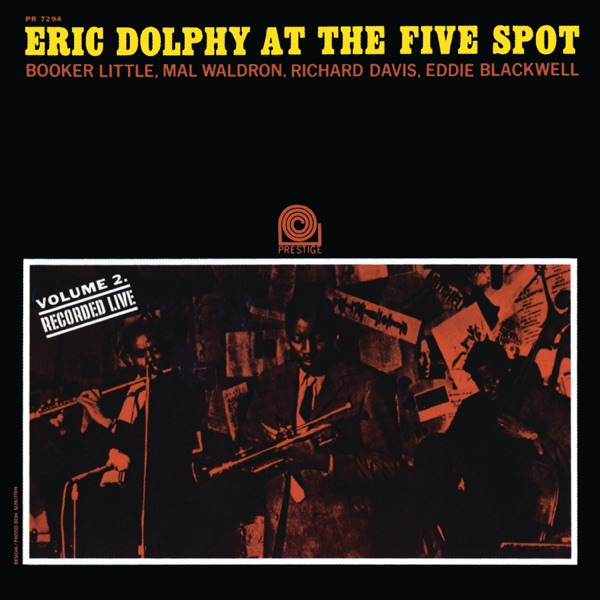


The musicians on this record

Out to Lunch 1964
Eric Dolphy
plays alto saxophone here
plays alto saxophone here
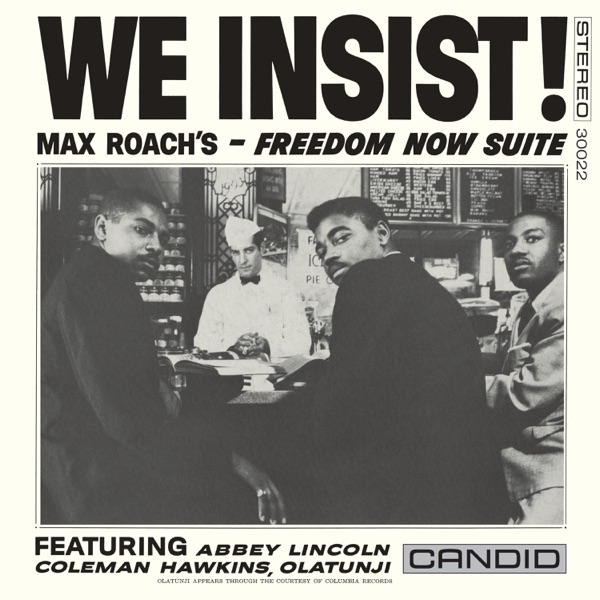
We Insist! Max Roach's Freedom Now Suite 1961
Max Roach
plays drums (drum set) here
plays drums (drum set) here

Where? 1961
Ron Carter
plays bass here
plays bass here
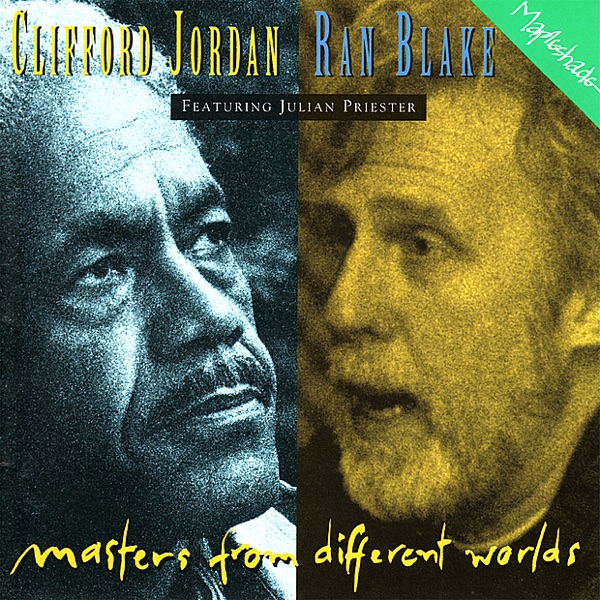
Masters From Different Worlds 1994
Julian Priester
plays trombone here
plays trombone here


