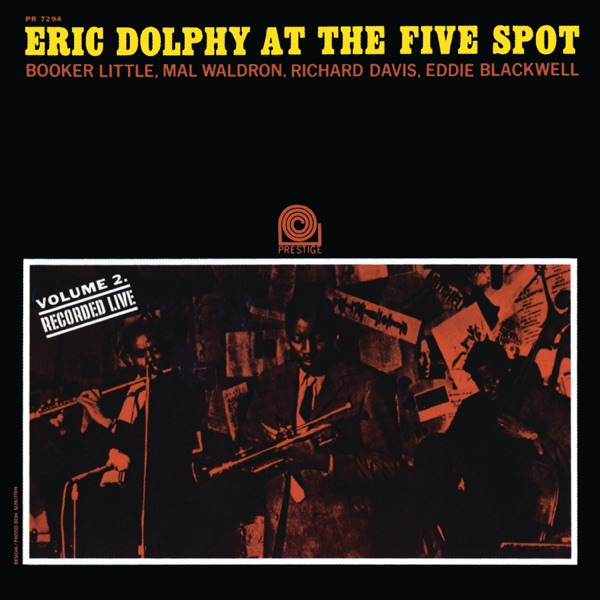
A Trumpet Burning Bright, Too Soon
Little's trumpet cuts through with an urgency that never feels rushed, a player already fully formed at twenty-three.
This album sits early in Booker Little Jr.'s recorded output, and what strikes you immediately is the completeness of his voice. His trumpet tone is sharp and focused, with a brightness that cuts through the ensemble without any thin quality — there's real substance behind it. He moves between lines of genuine lyricism and moments of technical sophistication without the usual strain between those two approaches. The rhythm section locks in tight, and the interplay between Little and the other horns has a natural communication that suggests these musicians knew each other's minds.
What makes this record distinct is Little's refusal to coast on style alone. He was influenced by Sonny Rollins and Clifford Brown, and you hear echoes of both — Rollins in the harmonic boldness, Brown in the melodic clarity — but he's not mimicking either. There's an impatience in his playing, a drive to explore, that feels personal. The compositions have real structure and purpose. He doesn't waste notes, and when he takes space, it means something. The recording itself is clean and balanced, each voice audible, which matters for a player whose details matter as much as his overall sound.
If you're new to Little, this is a logical entry point, though understand you're hearing an artist partway through his thinking rather than at any defined peak. He recorded prolifically as a sideman with major figures, and his leadership recordings show where his own ideas were heading. This album captures that restless intelligence at work — a young musician with complete control of his instrument and nowhere near enough time to use it.