1963 · Album
Duke Ellington Meets Coleman Hawkins
Recorded August 18, 1962 · Impulse! Records · Released: February 1963

Two Giants, One Afternoon, Pure Swing
Hawkins and Ellington circle each other like old friends, never quite settling into comfort.
By 1962, Coleman Hawkins had already lived several careers as a tenor saxophonist. He was the man who proved the saxophone could be deep and serious, not just a novelty. Duke Ellington was Duke — he'd been leading his orchestra for decades and could do anything he wanted. When they met in the studio that August afternoon, there was no grand plan, just two master musicians seeing what would happen when they played together.
This album sits nowhere obvious in Hawkins' discography. It's not a turning point or a return to anything. It's simply a session where two people who respected each other's ears decided to find out if they could make something interesting. The recording has an informal quality that works in its favor — there's no sense of a statement being made, no burden of importance. Hawkins' tenor has that woody, deliberate tone he'd carried for decades, and Ellington frames him in ways that feel both clever and natural. The interplay between them drives the music forward without showiness. AllMusic gave this pairing a perfect rating, and it's worth understanding why: the album succeeds because neither player tries to win. They listen, respond, and let the conversation develop at its own pace.
If you know Hawkins from his 1939 recording of Body and Soul or from his small-group dates with pianist Thelonious Monk, this won't sound like a radical departure. But it's not routine either. This is experienced musicians in their sixties doing what they still did best — finding the shape of a song and making it swing. The album won't grab you the way a debut might, but it rewards the kind of attention Hawkins and Ellington always demanded from their listeners.
Who's playing
Aaron Bellbass
Harry Carneybaritone saxophone, bass clarinet
Duke Ellingtonpiano
Les Spannguitar
Coleman Hawkinstenor saxophone
Johnny Hodgesalto saxophone
Lawrence Browntrombone
Sam Woodyarddrums
Ray Nancecornet, violin
Where next?
More by Coleman Hawkins
All 43 albums →
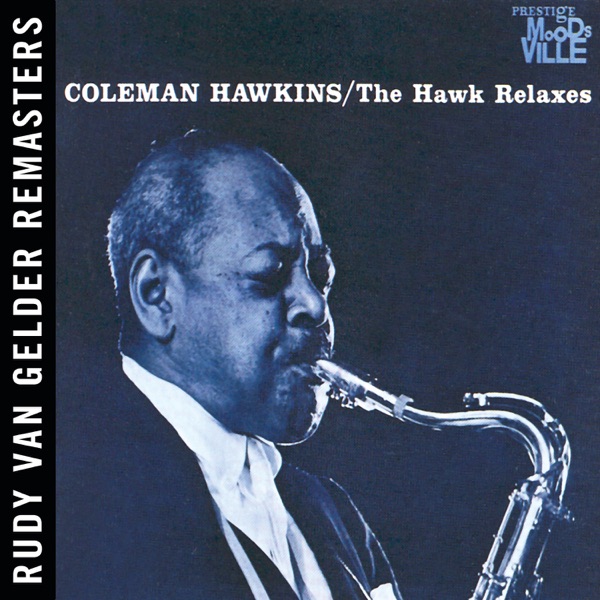

The musicians on this record
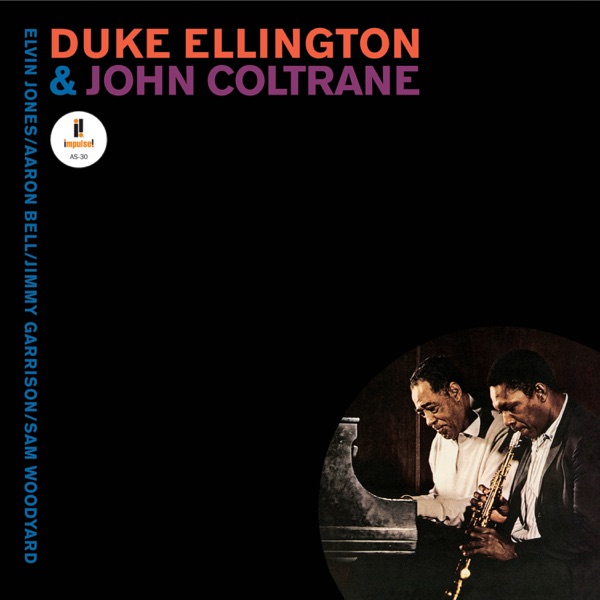
Duke Ellington & John Coltrane 1963
Duke Ellington
plays piano here
plays piano here

Everybody Knows 1964
Johnny Hodges
plays alto saxophone here
plays alto saxophone here



