Where the Delta Meets the City
Before Cassandra Wilson became the artist on those celebrated Blue Note records, she spent formative years in New York deep inside the M-Base collective, working alongside Steve Coleman and Greg Osby on music that was angular, rhythmically intricate, and deliberately difficult. Those records — particularly Point of View (1986) — sound nothing like what most people associate with her name. They matter because they show you a singer who came up thinking hard about structure and composition, not just interpretation. That rigor never left her, even when the music got warmer.
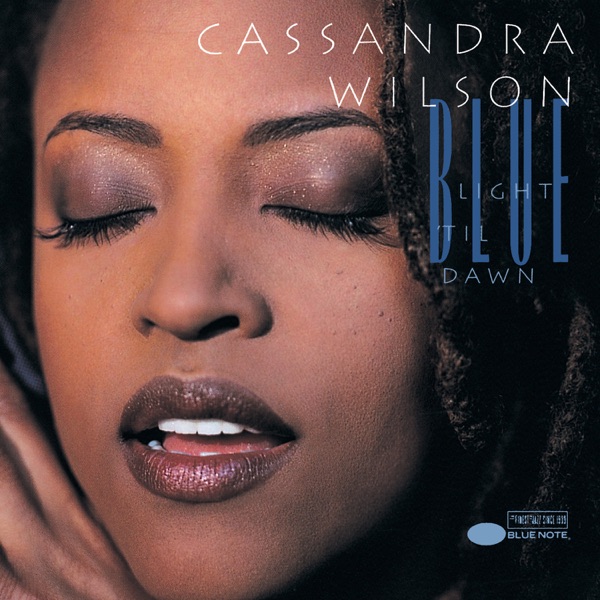
The pivot came in the early 1990s. Working with producer Craig Street, Wilson began pulling in songs from outside the jazz songbook — Robert Johnson, Hank Williams, Neil Young — and setting them against sparse, almost pastoral arrangements that featured acoustic guitar, bass clarinet, and open space. Blue Light 'Til Dawn (1993) is the record where this clicked into place. It doesn't sound like a jazz album trying to be something else; it sounds like its own thing entirely, rooted in the African American South in a way that felt both personal and musical.
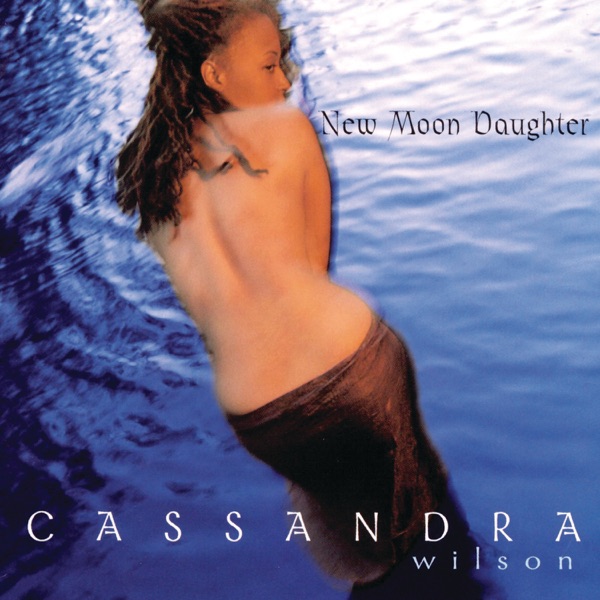
New Moon Daughter (1995) pushed the approach further and became her most celebrated record. The selection of covers is genuinely unusual — a Monkees song sits next to a U2 song sits next to a Hank Williams song — and yet the album holds together because Wilson's voice and Steve Coleman's arrangements give everything the same unhurried, slightly shadowed mood. It won the Grammy for Best Jazz Vocal Album and introduced her to a much wider audience, though her longtime listeners already knew what they had.
What makes Wilson distinctive as a vocalist is harder to pin down than it sounds. She doesn't ornament heavily or display range for its own sake. The power is in her timing — she can sit behind a beat in a way that creates real tension — and in the texture of her voice, which has a depth and slight roughness that suits melancholy material without wallowing in it. She phrases like an instrumentalist who knows the song well enough to treat the melody as a suggestion. Spend time with her and you start hearing how different her approach is from the smoother, more polished school of jazz singing.
Her later work is uneven in places, as is true of most long careers, but the run from the early 1990s through the early 2000s is genuinely strong. She is not a name to drop for show — she is someone worth actually sitting with. Start with Blue Light 'Til Dawn (1993), give it a full listen on a quiet evening, and pay attention to how little she needs to do to hold your attention.