1999 · Album
Traveling Miles
Recorded 1999 · Blue Note Records · Produced by Not provided in verified facts
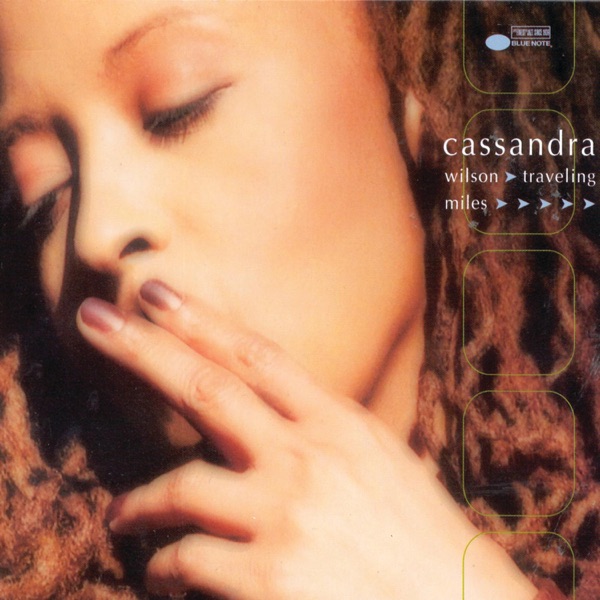
In the Footsteps of Miles
Wilson doesn't just cover Miles—she inhabits his world, making it entirely her own.
Cassandra Wilson spent her career doing something harder than copying styles—she absorbed them and made them hers. By this point in her work, she'd moved beyond being a vocalist who happened to sing jazz. She was a jazz musician first, and the voice was her instrument. Traveling Miles 1999 is her most direct conversation with another artist: a whole album built from the Miles Davis catalog, particularly the recordings he made for Columbia Records. This isn't nostalgia or tribute in the museum sense. It's more like sitting with someone's entire body of work and asking, What do I want to say here?
What makes this record work is that Wilson treats these Miles tunes as starting points, not sacred texts. She rearranges them, strips some down, rebuilds others. The arrangements breathe room for her voice to move around—she's not trying to out-Miles Miles or prove anything technical. She's exploring what these songs mean to her, how they sit in her range, what she can do with them that nobody else has done yet. The album sounds like a conversation between her sensibilities and his ideas, which is different from a straight interpretation. You hear her taste in how she shapes each piece.
This is a solid album for anyone who already knows Wilson's work and wants to see her thinking about another master. It was nominated for a Grammy for Best Jazz Vocal Performance, which suggests the industry took it seriously. If you're new to her, though, start with something else first—maybe New Moon Daughter (1996)—to get a sense of her own voice before hearing her in dialogue with Miles. Traveling Miles is the kind of record that rewards repeated listening, where you start picking up on small choices she's made, ways she's bent a phrase or changed a tempo that suddenly make sense.
Who's playing
Dave Hollanddouble bass
Lonnie Plaxicodouble bass
Eric Lewispiano
Kevin Breitelectric guitar
Marvin Sewellelectric guitar
Doug Wambleacoustic guitar
Cassandra Wilsonacoustic guitar
Steve Colemanalto saxophone
Marcus Baylordrums
Perry Wilsondrums
Mr. Lifpercussion
Mino Cinelupercussion
Stefon Harrisvibraphone
Olu Daracornet
Cecilia Smithmarimba
Vincent Henryharmonica
Regina Carterviolin
Where next?
More by Cassandra Wilson
All 12 albums →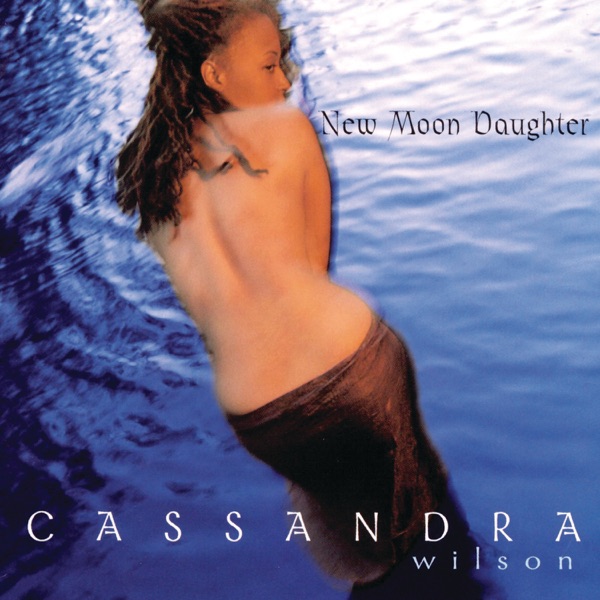


The musicians on this record

Prime Directive 1999
Dave Holland
plays double bass here
plays double bass here

Rhythm in Mind 1992
Steve Coleman
plays alto saxophone here
plays alto saxophone here


