1996 · Album
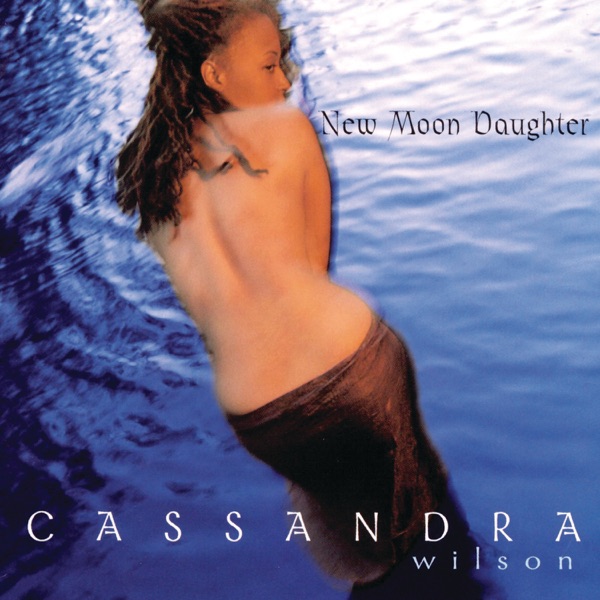
New Moon Daughter
Blue Note · Chart Peak: No. 1 on Billboard jazz album chart · Grammy Award: Best Jazz Vocal Performance
Mississippi Roots, Electric Reimagining
New Moon Daughter freed Wilson to explore her deepest influences while making pop songs sound entirely her own.
New Moon Daughter arrived in 1995 as Cassandra Wilson's follow-up to the widely celebrated Blue Light 'til Dawn, and it doubled down on what made that record work: a willingness to dig into her Mississippi heritage while treating contemporary material—songs by the Monkees, U2, and others—as vehicles for genuine artistic exploration rather than mere covers. The album hit No. 1 on the Billboard jazz chart and won the Grammy Award for Best Jazz Vocal Performance, a validation that Wilson's approach had found its audience.
What makes this record distinctive is how thoroughly it commits to that dual vision. Rather than positioning herself as a jazz vocalist occasionally dipping into pop, Wilson treats every song—whether a standard or a recent composition—as an opportunity to unearth something personal. The arrangements support this without overwhelming it, creating space for her voice to move through different emotional registers. Critics responded warmly, with many calling it one of the year's best, and Entertainment Weekly gave it an A−.
For listeners new to Wilson, this is a better entry point than starting elsewhere. It's confident without being showy, rooted in jazz tradition while refusing to be confined by it. The record works because Wilson sounds like she's made peace with all the different parts of herself—the jazz singer, the song interpreter, the woman reconnecting with where she comes from.
Who's playing
Lonnie Plaxicobass
Mark Anthony Petersonbass
Chris Whitleyresonator guitar
Kevin Breitacoustic guitar, resonator guitar
Brandon Rossacoustic guitar
Gib Whartonpedal steel guitar
Cassandra Wilsonacoustic guitar
Cyro Baptistapercussion
Graham Haynescornet
Dougie Bownetom-tom
Lawrence D. “Butch” Morriscornet