1992 · Album
Devil’s Got Your Tongue
Verve Records · Released: October 13, 1992 · Chart Peak: Number 2 on Billboard Jazz Albums chart (April 10, 1993)

Abbey Lincoln's Voice in Full Command
By 1992, Lincoln had earned the right to demand everything from her musicians and herself.
Devil's Got Your Tongue arrived when Abbey Lincoln was in her sixties, which means she'd already spent decades refining what she wanted to say and how to say it. This was her third record for Verve, and by October 1992, she knew exactly what she was doing. The album had real commercial reach — it climbed to number two on the Billboard Jazz Albums chart in early 1993 — which meant people were paying attention, not just jazz specialists but regular listeners willing to spend money on her music.
What makes this record work is Lincoln's absolute clarity about what she wants from a song. She doesn't oversing, doesn't reach for effects that aren't there. The material sits in a space where jazz and straight-ahead vocal music meet without fanfare. There's confidence in these performances, the kind that comes from knowing your instrument inside and out and trusting your choices. She'd moved past the point of trying to prove anything; she was just there to deliver the music as she heard it.
This wasn't a comeback record or a departure. It was Lincoln doing the work she'd been doing for years, but with an artist's full authority. If you've never heard her and want to know what she sounds like in her mature period, this is a legitimate entry point. It's not her only strong record from this era, but it's one where everything aligned — the songs, her voice, the support around her — and the result actually found an audience.
Who's playing
Marcus McLaurinedouble bass
Rodney Kendrickpiano
Stanley Turrentinetenor saxophone
J.J. Johnsontrombone
Yoron Israeldrums
Grady Tatedrums
Maxine Roachviola
Where next?
More by Abbey Lincoln
All 26 albums →


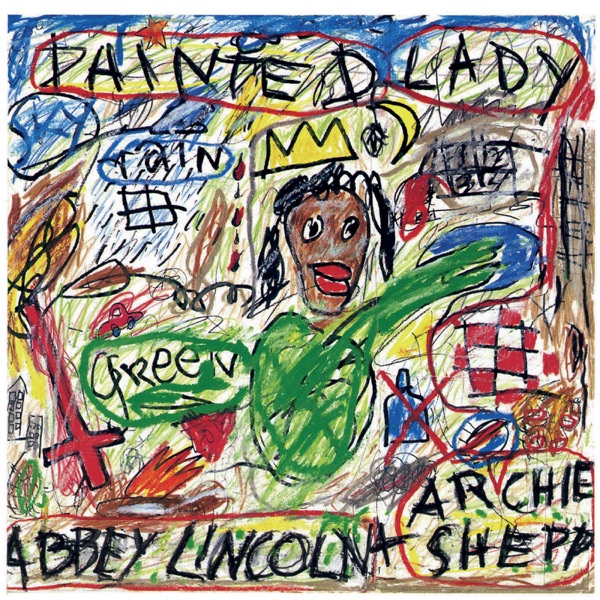
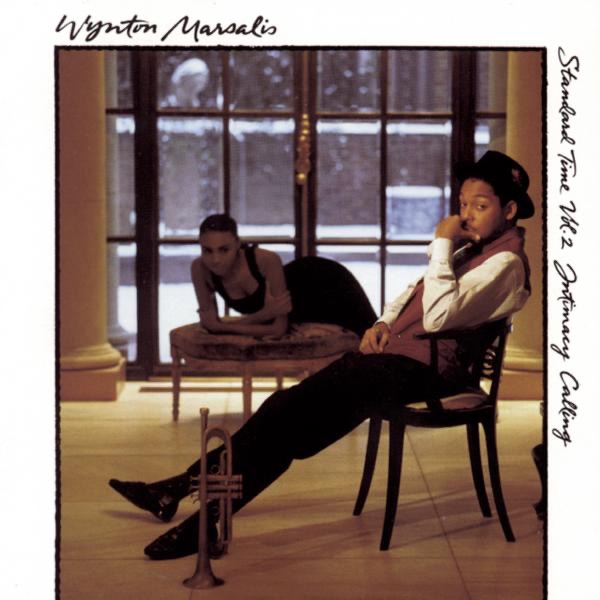
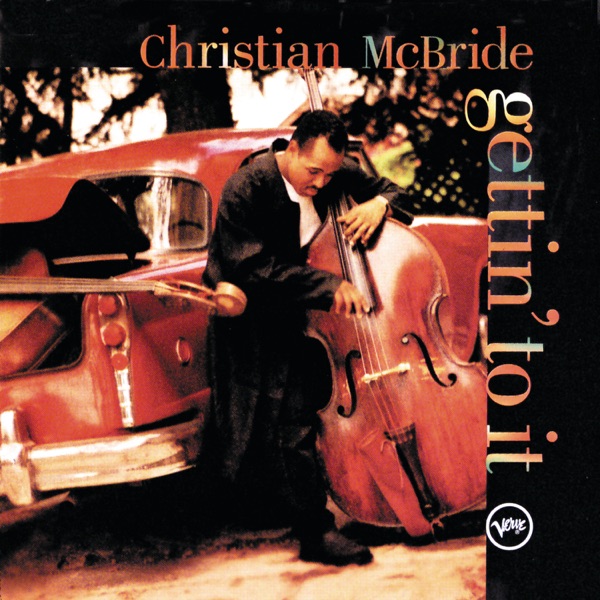
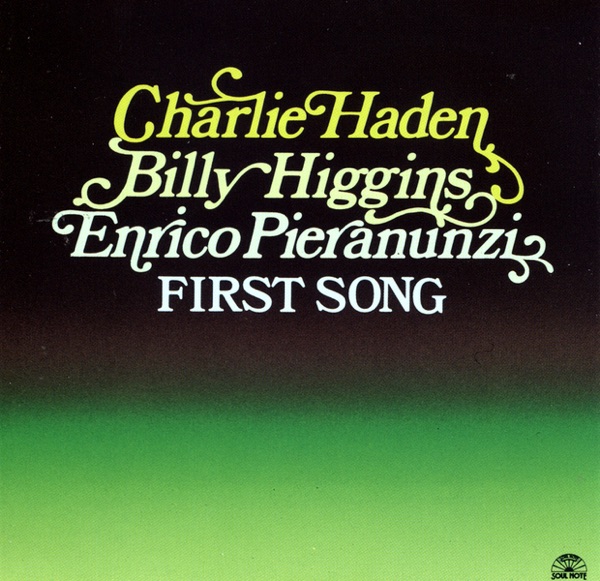
The musicians on this record
Their own records, close in time