1993 · Album
When There Is Love
Recorded 1959 · Riverside Records · Produced by Orrin Keepnews
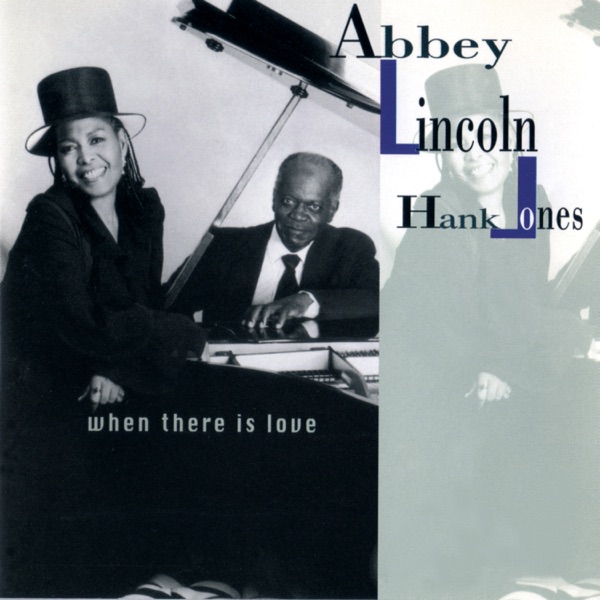
Intimacy and Restraint in Abbey Lincoln's Voice
Lincoln's voice settles into each phrase like smoke, unhurried and completely present.
When There Is Love moves at the pace of conversation — no rush, no flash. Lincoln's voice enters spare and close, the kind of singing that asks you to lean in. Hank Jones at the piano leaves room everywhere, comping quietly beneath her lines, never filling the silence. The album breathes. It's a small room, a late hour, the kind of session where technical perfection matters less than what actually gets said.
Lincoln was already a seasoned interpreter by this point in her career, moving through standards with the weight of someone who'd lived them. She doesn't perform these songs; she inhabits them. The real work happens in her phrasing — the way she'll hold a word just long enough to turn it over, or drop her voice to near-whisper on a line that matters. Jones responds to that restraint, never overshadowing, always listening. There's an ease here that only comes from musicians who trust each other completely.
This isn't the album to reach for if you want big statements or flashy arrangements. It's a record for specific moments — late night, alone, or with someone you don't need to talk to. The strength is in the intimacy, the sense that Lincoln is simply telling you the truth about love, loss, and the space between them. It sits comfortably in her catalog as a work of genuine quietness, something she'd return to often in the years ahead.
Who's playing
Hank Jonespiano
Where next?
More by Abbey Lincoln
All 26 albums →