1992 · Album
Lush Life: The Music of Billy Strayhorn
Verve Records · Personnel: Joe Henderson (saxophone), Wynton Marsalis (trumpet), Stephen Scott (piano), Christian McBride (bass), Gregory Hutchinson (drums)

Strayhorn's Ballads, Henderson's Voice
Henderson brings a smoky clarity to Strayhorn's melodies, supported by a rhythm section that knows when to step back.
The first thing you hear is Henderson's saxophone settling into a minor-key melody with the kind of breathy, deliberate tone that makes you lean in. There's no flash here, no virtuosic runs filling the silence. Wynton Marsalis enters on trumpet with equal restraint, and the two horns move through Billy Strayhorn compositions like people reading a letter they've read before but still finding new meaning. Stephen Scott on piano keeps things spacious—he's not comping busily but laying down harmonic cushions that let the melody breathe. Christian McBride on bass and Gregory Hutchinson on drums anchor everything without calling attention to themselves.
This album came out when Henderson was already an established player, and it sits comfortably among his best work—a record where technical skill serves the song rather than the other way around. The Penguin Guide gave it 3.5 out of 4 stars, recognizing something solid and deeply felt. Strayhorn's material, written for Duke Ellington's orchestra, gains a different kind of intimacy here, scaled down to a quintet where every note carries weight. Songs like "Lush Life" itself move at a pace that lets you hear Henderson think through the melody, which is exactly the point.
The album found a real audience and stayed in print for decades, racking up nearly 90,000 copies sold by the time Henderson died. It won Henderson his first Grammy Award while signed to Verve Records, the first of three he would receive on the label. That kind of staying power says something—not that this is a perfect record, but that it connected with listeners looking for jazz that respected both the song and the player.
Who's playing
Where next?


The musicians on this record
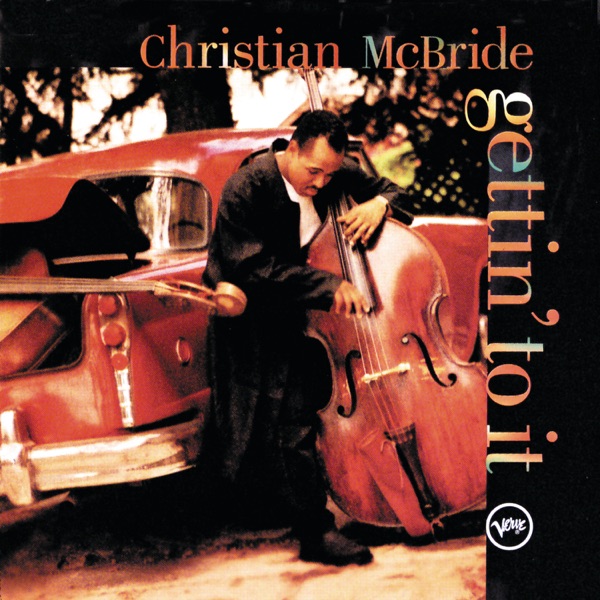
Gettin' To It 1994
Christian McBride
plays bass here
plays bass here
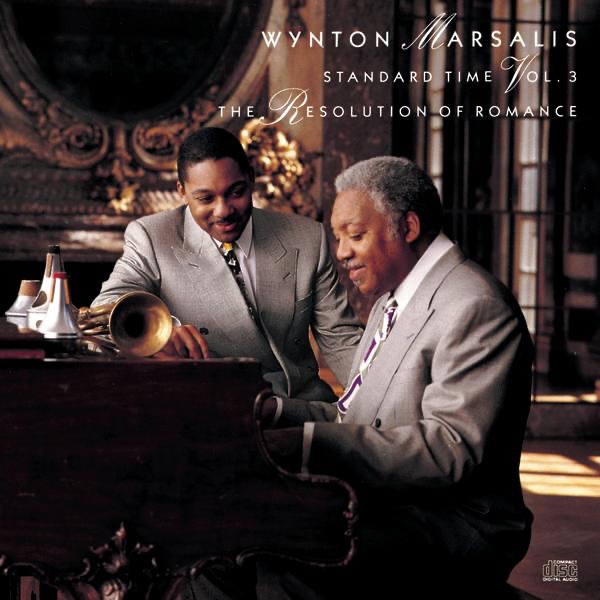
Standard Time Vol. 3: The Resolution Of Romance 1990
Wynton Marsalis
plays trumpet here
plays trumpet here