The Architect of Groove and Wonder
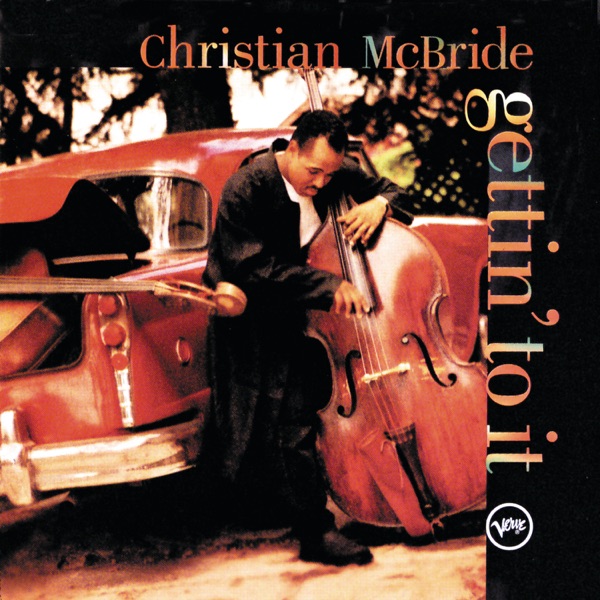
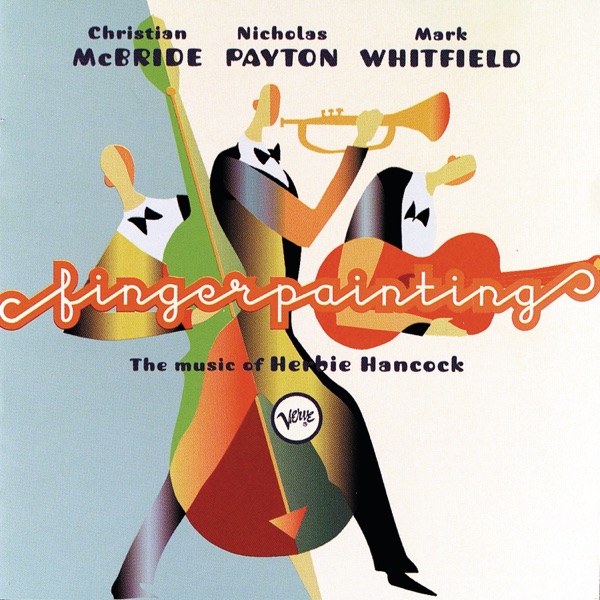
Christian McBride showed up in jazz at exactly the right moment—when acoustic bass players were getting their instrument back from the electric crowd and fusion wasn't running the whole show anymore. But he wasn't looking backward. From day one in the '90s, McBride had something most players take years to develop: he understood harmony inside and out, and he could swing like it was the easiest thing in the world. You could hear it when he played with Joshua Redman or Nicholas Payton—he'd lock into a groove and simultaneously open up the conversation, never just supporting but actually driving things forward.
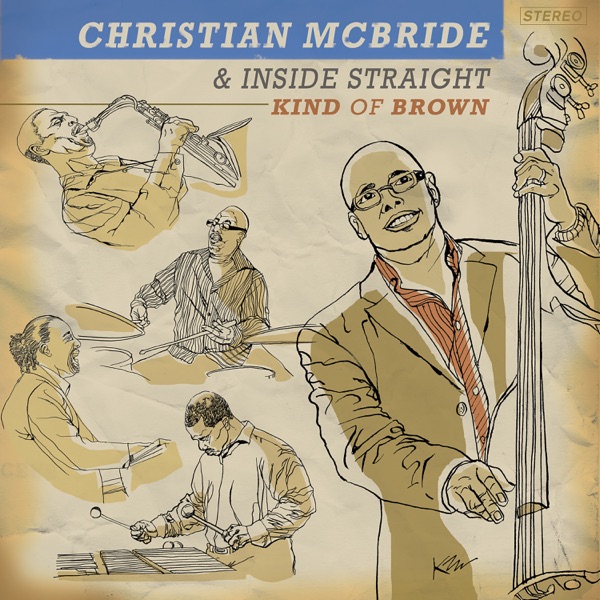
What makes McBride special as a bandleader is that he knows how to put a band together that works. His Inside Straight quartet and his trio aren't just playing together—they're genuinely listening to each other. McBride doesn't play under people. He creates room. His bass lines aren't just walking the changes; they're suggesting melodies, asking questions, setting up the next thing someone might say. That matters because it changes how everyone else thinks. A whole generation of younger musicians learned from watching him that the bass could do more than keep time.
Off the bandstand, McBride's been serious about teaching and looking out for the music itself. Having served as Artistic Director of the Newport Jazz Festival and working with younger players, he's proven you can care deeply about what came before without being stuck there. His big band records show he can arrange, too—he's thinking orchestrally, which just extends what he already does on the instrument.
When musicians talk about McBride's influence, they're really saying that he made the acoustic bass sound like it could do anything. Whether he's playing Thelonious Monk, responding to Metheny's guitar, or working with African and Caribbean grooves, it's always the same guy: listening hard, playing with command, and genuinely believing jazz can keep growing. That's not a break from tradition. That's what tradition actually sounds like when it's alive.