Album
Fingerpainting: The Music Of Herbie Hancock
Recorded Recording year not verified—unable to confirm from available sources · Record label not verified—unable to confirm from available sources · Produced by Producer not verified—unable to confirm from available sources
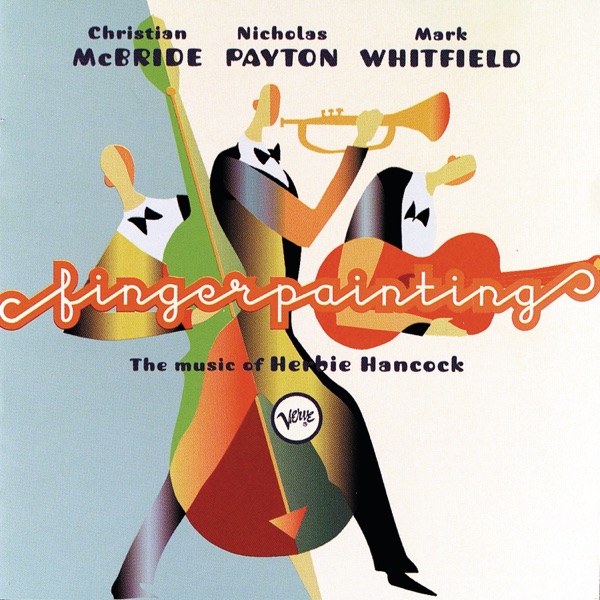
McBride Walks Through Hancock's Harmonic Landscape
McBride's bass doesn't just support these tunes—it rewrites the conversation around them.
Christian McBride has spent his career on the sidelines of over 400 recordings, which means he's earned the right to step forward and claim something as his own. With Fingerpainting: The Music Of Herbie Hancock, he does exactly that—not by trying to reinvent Herbie Hancock's catalog, but by moving through it on bass, finding the architecture underneath. McBride's an eleven-time Grammy winner for a reason: he listens harder than most people play.
What makes this album work is McBride's refusal to treat Hancock's compositions like museum pieces. The tunes here—whether you're hearing them for the first time or the hundredth—get renewed oxygen. McBride's approach is melodic without being showy. His bass lines don't recite; they converse. He finds pocket and swing where others might settle for respectful homage. The rhythm section breathes room into each track, and there's real interplay happening, not just accompaniment.
This sits comfortably in McBride's catalog as a recording that shows range without strain. He's already proven himself on countless sessions; this album lets you hear him think through material that matters to him. It's not the place to start if you're new to either McBride or Hancock—you should know some of Hancock's work first—but it's valuable exactly because it treats that music as living, not archived. A solid, intelligent listen from a bassist who knows how to make other people's ideas sound like discoveries.
Who's playing
Where next?



The musicians on this record
Their own records, close in time


