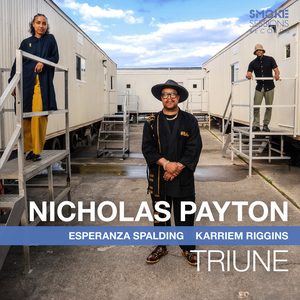
The Restless Virtuoso's Journey
Nicholas Payton came up in New Orleans playing the kind of trumpet that made sense on paper—clean, technically brilliant, steeped in the tradition of Dizzy Gillespie and Freddie Hubbard. His early records on Verve and Warner Bros., like From This Moment On (2006) and Payton's Place, showed a player with real chops and harmonic smarts. But even then, you could hear something else going on underneath. He wasn't content just being another skilled post-bop guy.
By the 2000s, he started moving around a lot more. Treme: Social Aid & Pleasure Club Parade brought in New Orleans funk and second-line grooves. Other albums threw in electronic stuff, hip-hop rhythms, free jazz exploration. He'd switch directions between albums or even between songs. Some people found that frustrating—they wanted him to pick a lane. But there was something honest about it. He wasn't trying to build a brand. He was actually following where his ears and ideas were taking him.
What's interesting is how his writing has developed. He blends complicated harmony with grooves that come straight from New Orleans. His trumpet sound has gotten more personal too—he bends notes in ways that feel almost conversational, getting effects that don't sound like the textbook trumpet. Whether he's leading a band or sitting in with someone else, he brings real energy and personality to the music.
The thing about Payton is that he won't let you put him in a box. That's riskier than building a consistent sound that people can market and recognize. But it means his records are worth going back to—each one has something different to offer when you really pay attention. If you follow what he's doing, you get to hear a musician who knows jazz history inside and out but isn't stuck there.