Payton's Unfiltered Look at Power and Desire
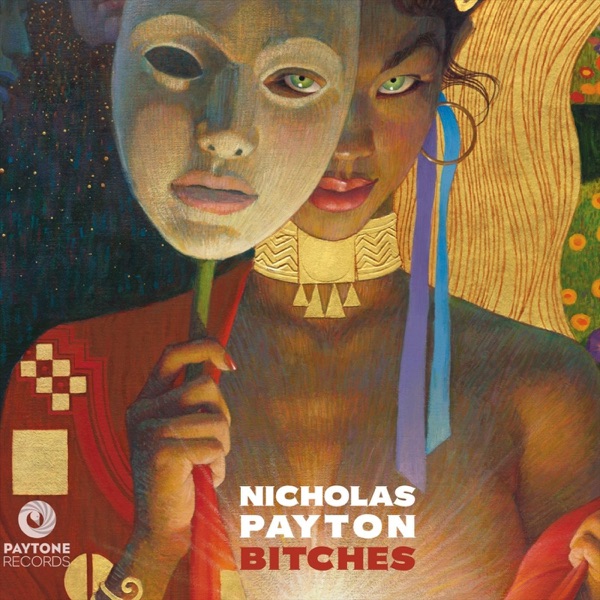
Bitches strips away pretense to examine complicated relationships with unflinching honesty.
Nicholas Payton made Bitches (2000) at a point in his career when he was ready to stop playing it safe. After establishing himself as a technically gifted trumpet player who could navigate straight-ahead jazz with ease, he decided to lean into something messier and more personal. This album doesn't feel like a showcase of virtuosity for its own sake—it feels like Payton working through something real, using the title itself as a provocation that demands you pay attention to what he's actually saying rather than just how well he's playing.
Musically, the record sits somewhere between contemporary jazz and hip-hop aesthetics without fully committing to either lane. The production is lean and often sparse, letting individual moments breathe instead of burying them under layers. Payton's trumpet work here is sharp and direct—he's not interested in lengthy showboating, but in making precise statements. The tracks have a late-night quality, like conversations happening in a dimly lit room where people are being honest about desire, trust, and disappointment. It's the kind of album that rewards listening all the way through rather than skipping around, because the arc matters.
This isn't Payton's most celebrated work, and it's definitely not the place to start if you're new to him. The title alone will turn some listeners away before they even hear a note. But for people willing to engage with what he's actually exploring here—the contradictions in how we relate to each other, stripped of romantic softening—it's one of his most interesting recordings. It's uncompromising in a way that suggests an artist more interested in being honest than being liked.