Where do you listen?
Choose your streaming service
inside the sleeve
Loading…
inside the sleeveITS
⌕
Read About
Trumpet · USA · Neo-Bop

Wynton
Marsalis

Start here Black Codes (From The Underground) (1985) →
1961 - present, New Orleans, USA

Wynton Marsalis arrived in New York in the early 1980s like a correction — technically immaculate, historically fluent, and entirely uninterested in the direction jazz had been heading. He became the most celebrated and most argued-about jazz musician of his generation, a figure who restored acoustic bebop to the concert hall and made traditionalism feel, for a moment, like rebellion.

Post-BopHard Bop
Wynton Marsalis

The Weight of the Canon

Before Wynton Marsalis, the conventional wisdom in jazz criticism held that the music had to keep moving forward — into fusion, into electronics, into rock rhythms and synthesizers. Marsalis arrived at nineteen and essentially said: not so fast. His early recordings for Columbia, made when he was barely in his twenties, were breathtaking displays of craft. He could play Miles Davis-era cool one moment and Clifford Brown-style bebop the next, and he made it clear he'd studied everything in between. For a lot of listeners discovering jazz in the 1980s, those records were a genuine entry point — clean, swinging, and demanding in the best way.

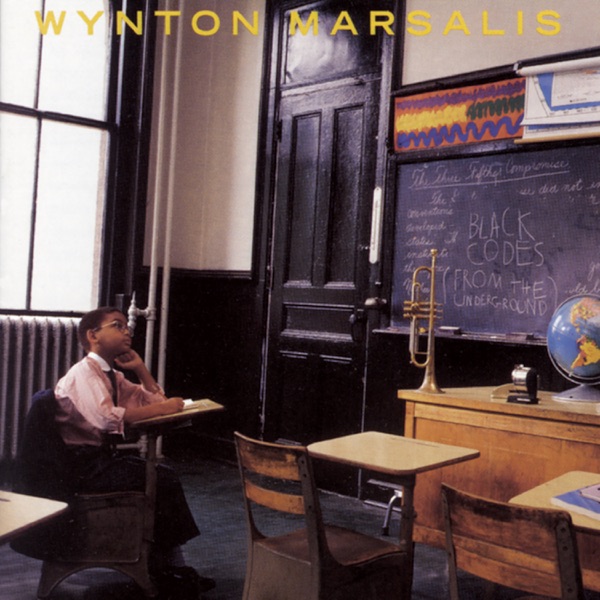
What he actually sounds like: a trumpet tone that is round and centered without being soft, phrasing that respects the bar line even when it's pushing against it, and an overall sense of control that some people find thrilling and others find a little cool to the touch. Albums like Think of One (1983) and Black Codes (From the Underground) (1985) capture him at his most urgent, playing with a young band — his brother Branford Marsalis on saxophone, Kenny Kirkland on piano — that had real fire. These weren't museum pieces. They were bands playing hard.

The complicated part of the Marsalis story is the institutional one. As artistic director of Jazz at Lincoln Center, a position he has held since the early 1990s, he became enormously powerful — and his aesthetic preferences became, to a significant degree, the aesthetic preferences of the most well-funded jazz organization in the world. Critics accused him of drawing the circle of acceptable jazz too small, of marginalizing free jazz, fusion, and artists who didn't fit his vision of the African American classical tradition. Those debates were real and often heated, and they're worth knowing about before you take his public pronouncements about the music at face value.

His longer compositions — particularly Blood on the Fields (1997), a three-hour oratorio about slavery that won the Pulitzer Prize for Music — show a different ambition than the small-group recordings. That piece has admirers and detractors in roughly equal measure; it's earnest and enormous and sometimes more impressive as a project than as something you'd return to on a Tuesday evening. His classical recordings, which earned him Grammy Awards alongside his jazz work, are technically accomplished, though most serious listeners find his jazz the more personally compelling half of the output.

Where Marsalis matters most, and perhaps most durably, is in what he modeled for a generation of players who came after him. The idea that you could be young, African American, and deeply committed to acoustic jazz tradition — that you didn't have to choose between rigor and relevance — that came through clearly in his early years, whatever arguments followed. Players like Nicholas Payton and Roy Hargrove emerged in a landscape he had helped reshape. You don't have to agree with all his positions to hear what those early records accomplished, and hearing them fresh is still a genuinely good time.
Facts
BornOctober 18, 1961, New Orleans, Louisiana, USA
InstrumentTrumpet
Active1979 – present
Known forNeo-bop revival, Jazz at Lincoln Center, Pulitzer Prize-winning composition
Connections
Branford MarsalisBrother and frequent collaborator, New Orleans / New York
→
Art BlakeyMentor, Jazz Messengers, New York
→
Kenny KirklandPianist, early Wynton Marsalis Quintet, New York
→
Read more

Discography

16 records
Wynton Marsalis
Wynton Marsalis
1982
Black Codes (From The Underground)
1985
Hot House Flowers
Hot House Flowers
1984
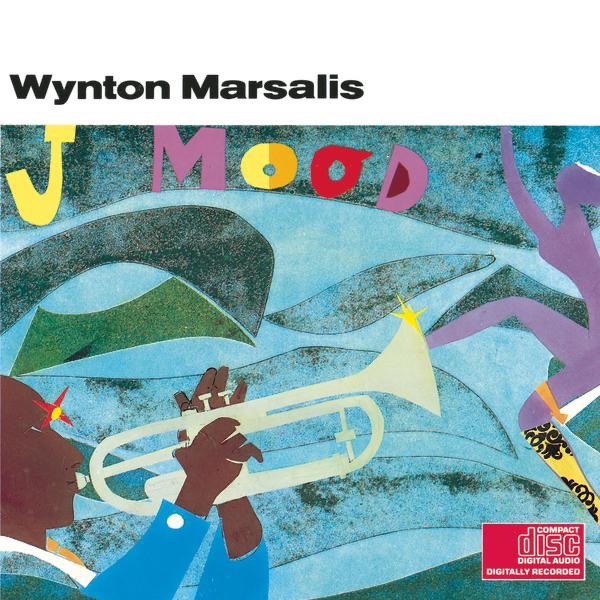
J Mood
J Mood
1986
Crescent City Christmas Card
1989
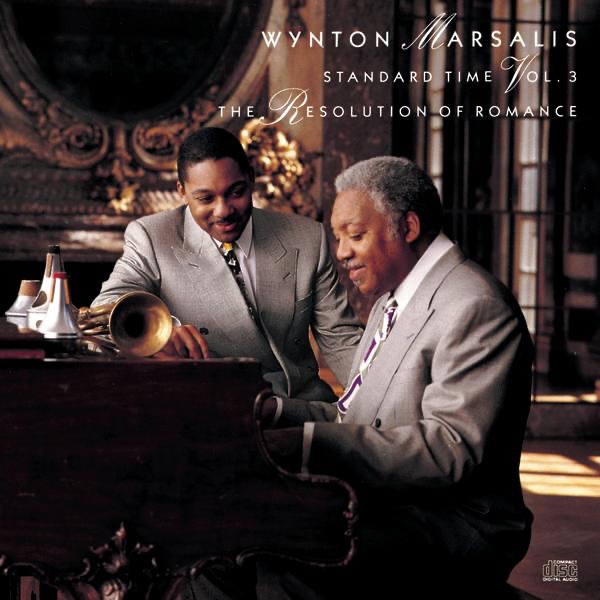
Standard Time Vol. 3: The Resolution Of Romance
1990
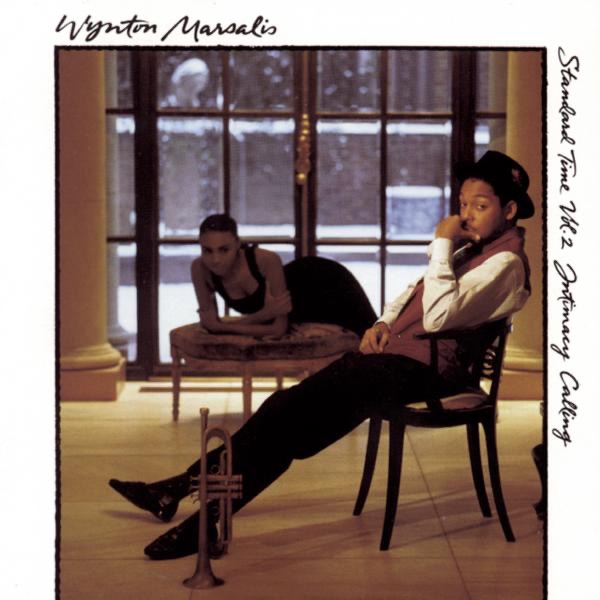
Standard Time, Volume 2: Intimacy Calling
1991
Standard Time Vol. 2: Intimacy Calling
1991
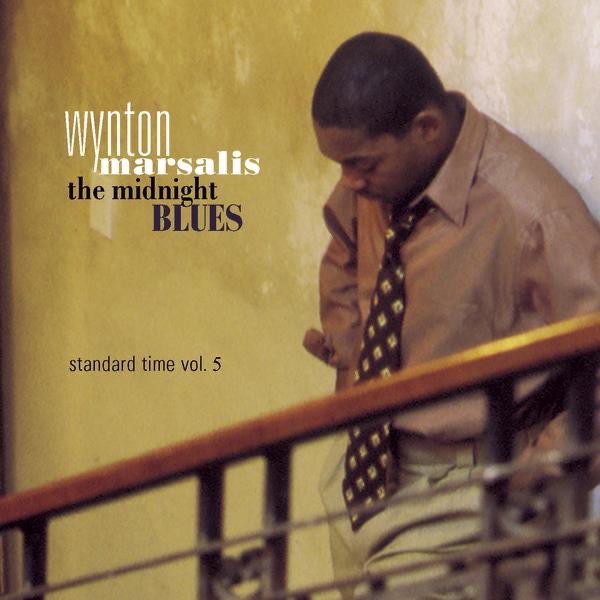
Standard Time, Volume 5: The Midnight Blues
1998
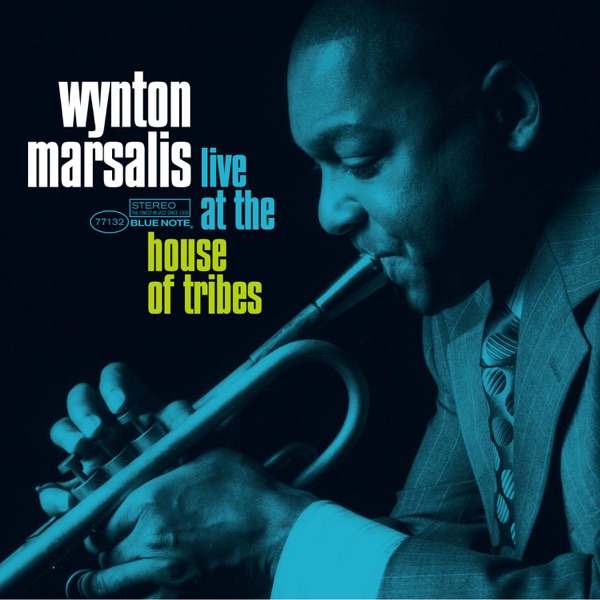
Live at The House Of Tribes
2005
He And She
He And She
2009
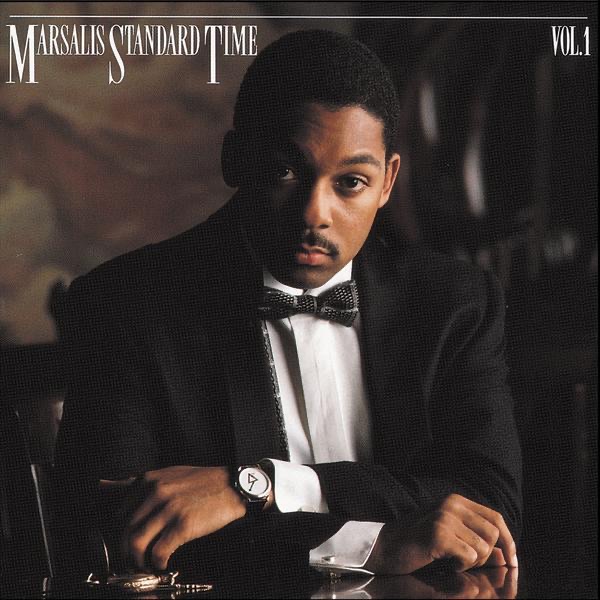
Marsalis Standard Time, Vol. 1
From The Plantation To The Penitentiary
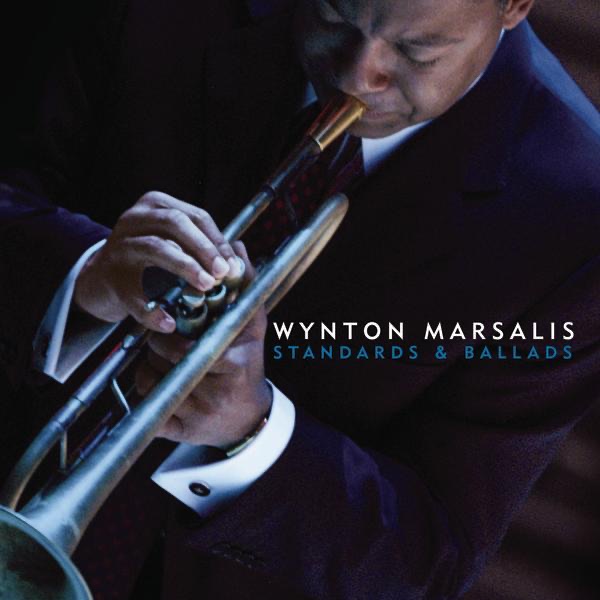
Standards & Ballads
Standards & Ballads
Standard time volume 3: The revolution of romance
Marsalis Standard Time - Volume I

Collaborations

Live on Youtube

Explore Further

Selected connections
Trumpeter, USA
Clifford Brown
One of Marsalis's primary melodic and tonal reference points — hearing Brown makes clear what Marsalis was reaching back toward.
Explore →
Album, 1985
Black Codes (From the Underground)
The Marsalis record to start with: the band is young and hungry, and the playing has an edge that some of his later work smooths over.
Explore →

Who's playing
Listen next
Recording Info
Track listing
Musicians
Further Reading
Read more

Where next?

More by this artist

Albums with the same musicians

From the same era

Similar artists

inside the sleeve
Growing
Jazz, explained without pretension.
Read · Follow the connections · Press play
Right now: 7,100+ albums · 440+ artists
Start here
New to jazz? These artists are good places to start.
Loading…
Explore
Nine records worth getting lost in.
Born today
Album of the day
A landmark record, every day.
Read
  • Loading…
Article archive →
Recently added
Purpose
Inside the Sleeve is your companion on a journey through jazz — not a textbook, but something closer to a knowledgeable friend sitting next to you while you listen. Read about an artist, press play, follow a connection, discover an album you didn't know you needed.
Suggestions
Read

Articles

Essays, guides, and lists about jazz and the records that matter.

Loading…

Genre

Key Artists
Further Reading

Essential Albums

Related Genres

In This Genre

About

Inside the Sleeve

Work in progress

Inside the Sleeve grows continuously — new artists and albums are added, essays refined, as visitors explore and our editors follow up on what they find. Content, features, and design are still evolving; use the Report error button on any page to flag something that seems off.

Content

Every artist, album, and release date on Inside the Sleeve is real — verified against trusted sources including MusicBrainz and Wikipedia. We don't invent discographies or fabricate records. AI compiles that verified information into readable prose — essays on artists, albums, and the music itself. We can't manually review every essay before publishing, but every reported error is checked by a human editor.

Inside the Sleeve is not a review site. We're not here to rate or rank — we're here to guide you in. Where an album stands out, we'll say so. Where an artist changed everything, you'll know why. But we won't tear anything down. Jazz history is complex and sources sometimes disagree — if you spot something that seems off, please report it.

Streaming

Inside the Sleeve links to Spotify and Apple Music so you can listen while you read. These are not affiliate links. For Spotify, links open a search on open.spotify.com — we do not have direct links to specific recordings. For Apple Music, direct links are used where available, otherwise a search is opened.

Your choice of streaming service is stored locally in your browser only. It is never sent to our servers.

We're working on deeper Spotify integration, including direct links to specific recordings.

Privacy

Inside the Sleeve does not collect personal data and does not use cookies. We count page visits anonymously using a self-hosted analytics tool — no personal identifiers are stored, and the data never leaves our own server. The only preference stored on your device is your streaming service choice, saved locally in your browser and never transmitted.

When you submit a suggestion or error report, the text you write is stored in our database. No name or email is required or collected unless you choose to provide one.

Third-party services

Spotify and Apple Music are independent services with their own terms of use and privacy policies. Inside the Sleeve is not affiliated with or endorsed by either company.

Support

Inside the Sleeve is free and ad-free. If you enjoy it, a coffee helps cover server costs and keeps the project going.

Amazon

Some book recommendations on Inside the Sleeve link to Amazon. Buying through these links costs you nothing extra — but Amazon pays us a small commission, which goes directly towards keeping the site running. It's a simple way to support the project if you were going to buy the book anyway.

As an Amazon Associate, Inside the Sleeve earns from qualifying purchases.

Questions or feedback? Use the suggestion box on the front page.

Inside the Sleeve — A guide for those who want to go beyond the obvious About & Privacy