1984 · Album
Hot House Flowers
Grammy Award: Best Jazz Instrumental Performance, Soloist (1985) · Billboard 200 Peak: number 90 · Billboard R&B Albums Peak: number 53 · Top Jazz Albums Peak: number 1 · Penguin Guide Rating: 3/4 stars

Marsalis at Twenty-One: A Debut That Arrived Fully Formed
Hot House Flowers announced Marsalis as a major voice before he turned twenty-two.
Hot House Flowers arrived early in Marsalis's career—a debut statement that proved he was not simply a prodigy but a musician with something to say. Released when he was barely out of his teens, the album won the Grammy Award for Best Jazz Instrumental Performance, Soloist, establishing him as a serious contender in a tradition he clearly revered but did not need to imitate. This was his entry into the conversation, and he entered it on his own terms.
The record showed Marsalis working within the acoustic jazz vocabulary—trumpet, acoustic bass, drums, the sound of bebop and post-bop—but without any sense of obligation to the past. The Penguin Guide to Jazz Recordings awarded it three stars, recognizing the clarity and confidence of his playing without overstating what it was. Commercially, the album found its audience among jazz listeners, peaking at number one on the Top Jazz Albums chart, though it never crossed into mainstream pop radio. That was never the point.
What made the album matter was simpler: Marsalis sounded like an adult musician from the first note. He played with precision and warmth, making choices that felt considered rather than flashy. There was no need to revisit this record looking for hidden depths or later developments—what you heard was a young musician who had mastered his instrument and was ready to explore where it could take him next.
Who's playing
Where next?
More by Wynton Marsalis
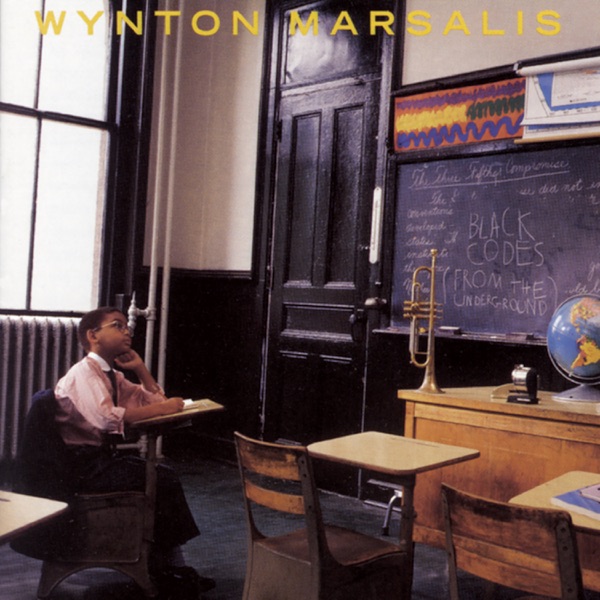
Black Codes (From The Underground) 1985
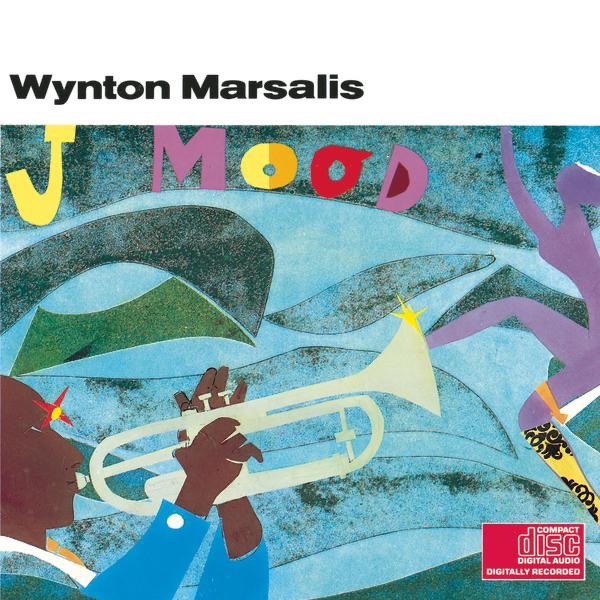
J Mood 1986
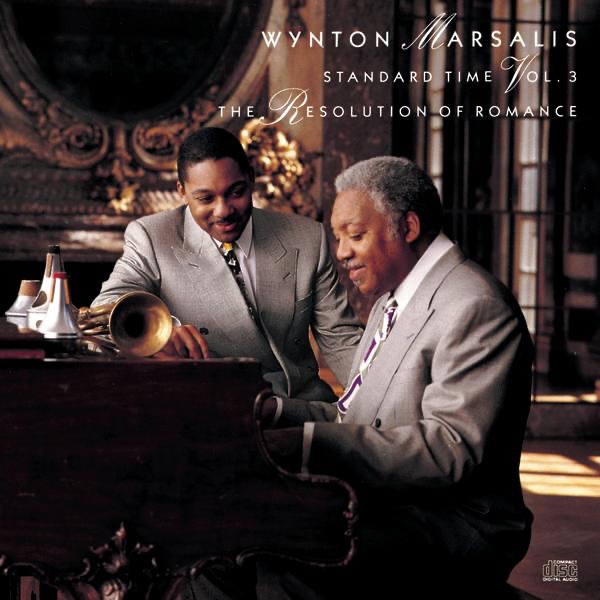
Standard Time Vol. 3: The Resolution Of Romance 1990
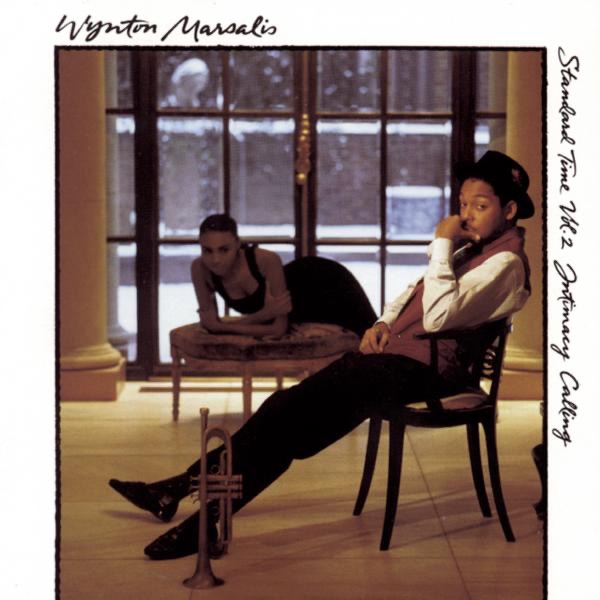
Standard Time Vol. 2: Intimacy Calling 1991
The musicians on this record

Where? 1961
Ron Carter
plays double bass here
plays double bass here
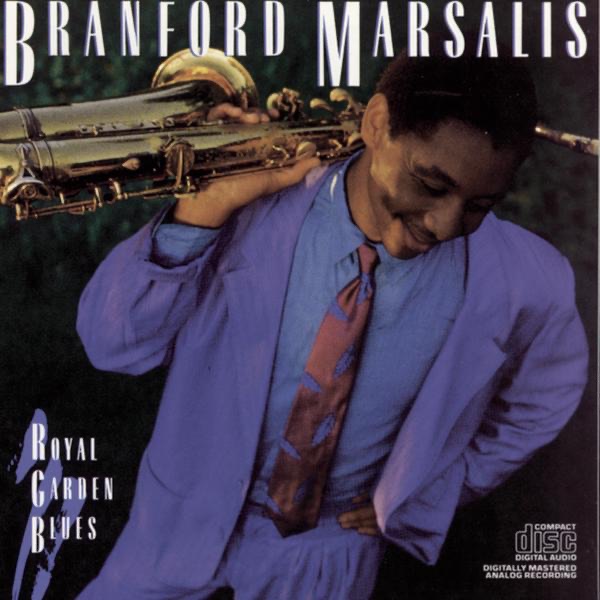
Royal Garden Blues 1986
Branford Marsalis
plays saxophone here
plays saxophone here