1976 · Album
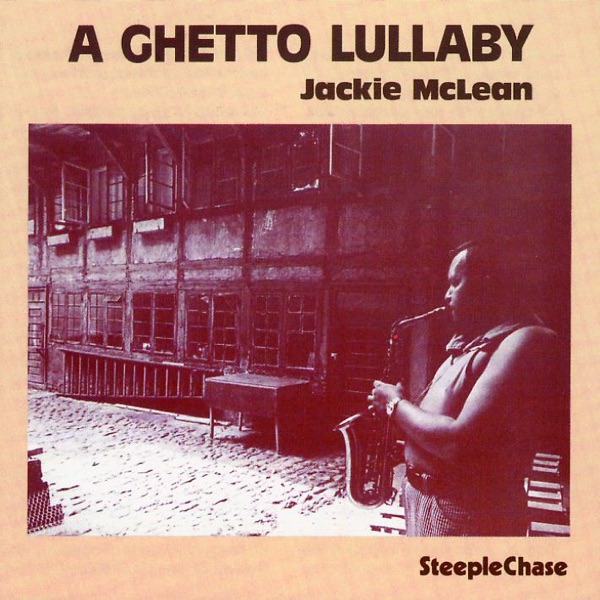
A Ghetto Lullaby
Recorded 1973, Jazzhus Montmartre, Copenhagen · SteepleChase · Produced by Nils Winther
McLean Live, Unfiltered, and Very Much Himself
Caught live in Copenhagen, McLean plays with the kind of focus that makes you lean forward.
By 1973, Jackie McLean had already done a lot — early work with Miles Davis, a string of Blue Note records that defined a certain strain of hard bop, and a gradual move toward more angular, post-bop territory. A Ghetto Lullaby (1973) finds him in Copenhagen at the Jazzhus Montmartre, a venue that was genuinely important to American jazz musicians during this era, particularly those who found European audiences more receptive than domestic ones. This is a live recording, which means you get McLean without the safety net of the studio — and he sounds comfortable with that.
What you actually hear is McLean's alto sax doing what it always did best: that slightly sharp, biting tone that nobody else quite replicated, sitting somewhere between Charlie Parker's vocabulary and something more harmonically restless. The playing here is focused and committed without being showy. This is not one of those live albums where the artist is clearly coasting on audience enthusiasm. McLean sounds engaged, and the rhythm section keeps things honest throughout. The title track in particular gives you a good sense of the album's mood — not flashy, but not laid-back either. There's real tension in how McLean phrases.
Is this a must-own? Probably not your first McLean record. Start with his Blue Note output if you're new to him. But if you already know those records and want to hear where he was a decade on, this is genuinely worth your time. The SteepleChase label recorded a lot of these Copenhagen sessions, and the audio quality is solid for a live date. For McLean fans specifically, this is an honest and satisfying document of an underrated stretch of his career.
Who's playing


