
Lee Morgan's Sixth Sense: Straight Ahead and Swinging
Morgan and McLean push each other hard here, trading phrases like they've got something to prove.
By 1970, Lee Morgan had already established himself as one of the hardest-swinging trumpet players in jazz, and Sixth Sense (1970) finds him in confident form alongside Jackie McLean, whose alto saxophone cuts through with that particular edge he brought to everything. This is straightforward hard bop — no experiments, no reaching for something new, just skilled musicians playing at a high level. Morgan's trumpet tone is direct and forceful, McLean is characteristically aggressive, and Cedar Walton anchors everything from the piano with solid, no-nonsense playing. Victor Sproles on bass and Billy Higgins on drums provide the kind of support these albums needed: competent, swinging, not trying to grab attention.
The album works because nobody here is wasting time. Morgan had released dozens of records by this point, and he knew his strengths. These are tunes that sit comfortably in his range, and he plays them with the kind of direct confidence that comes from experience. McLean's presence gives everything an edge — he doesn't play safe, and neither does Morgan. They're comfortable enough with each other to push without losing the plot. Walton's arrangements and playing keep things moving forward. The original release had solid material, and the later CD reissue, which added three tracks with Harold Mabern and Mickey Bass, rounds things out further if you want more.
Catalog-wise, this is solid middle-period Morgan — not the record to start with if you're new to him, but exactly the kind of thing long-time listeners knew they could count on. It sits alongside his other Blue Note work from this era: accomplished, well-played, maybe not pushing boundaries but delivering exactly what hard bop was supposed to deliver. If you've already discovered Morgan's best work and want more of the same formula executed well, this is worth your time.
Who's playing
Victor Sprolesbass
Cedar Waltonpiano
Jackie McLeanalto saxophone
Frank Mitchelltenor saxophone
Lee Morgantrumpet
Billy Higginsdrums
Where next?
More by Lee Morgan
All 12 albums →
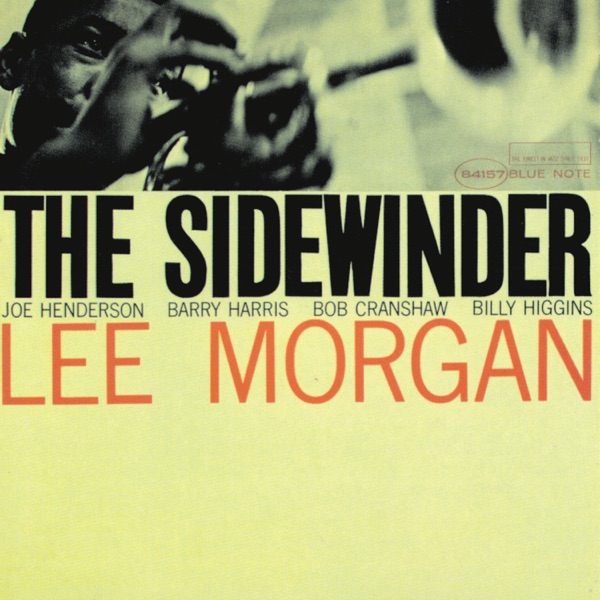


The musicians on this record

Demon’s Dance 1970
Jackie McLean
plays alto saxophone here
plays alto saxophone here
♫
Spectrum 1968
Cedar Walton
plays piano here
plays piano here
♫
The Oracle 1989
Billy Higgins
plays drums (drum set) here
plays drums (drum set) here


