1964 · Album
Search For The New Land
Recorded 1964 · Blue Note Records · Released: 1966 · Catalog Number: BLP 84169

Waiting in the Vault: Lee Morgan's Patient Masterpiece
A session from 1964 that sat shelved for two years—proof that great jazz doesn't always reach listeners when it's made.
Search for the New Land arrived in 1966, but Lee Morgan and his bandmates had already packed up their instruments two years earlier. The album was recorded in 1964, during a period when Morgan was already established as Blue Note's most reliable hard-bop voice, yet the label sat on it. By the time it came out with catalog number 84169, The Sidewinder had already made Morgan a star. That timing gap matters because you can hear a musician confident in his voice but not yet riding a wave—just playing straightforward, swinging jazz with first-rate companions.
Who exactly played here matters less than what they do. Morgan assembled the kind of Blue Note sidemen you'd expect: solid professionals who understood the language. The trumpet work is direct and muscular, never showing off, just stating ideas clearly. Morgan had learned from Dizzy Gillespie and Clifford Brown, but he wasn't chasing their ghosts—he was building something leaner, more functional. The rhythm section locks in tight, and the soloists take their turns without drama. It swings hard, plain and simple.
In Morgan's catalog of twelve albums, this one doesn't rank as a milestone, and honestly, it isn't required listening. It's the kind of record for people who already know Morgan's work and want to fill in the gaps, or for listeners hunting for solid 1960s hard bop that doesn't demand anything except ears and attention. Not his best, but not a waste either—just a capable session that proved Morgan could hold down a date whether anyone was paying attention or not. The real lesson is simpler: sometimes the vault holds decent music that world just didn't need right then.
Who's playing
Reggie Workmandouble bass
Herbie Hancockpiano
Grant Greenguitar
Wayne Shortertenor saxophone
Lee Morgantrumpet
Billy Higginsdrums
Where next?

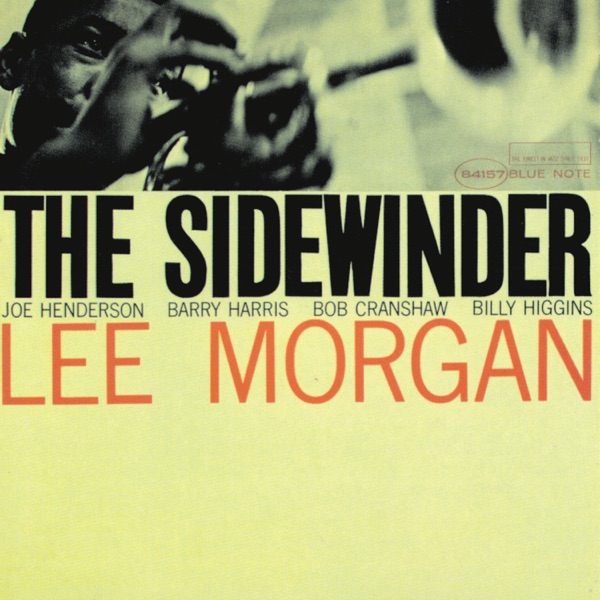


The musicians on this record
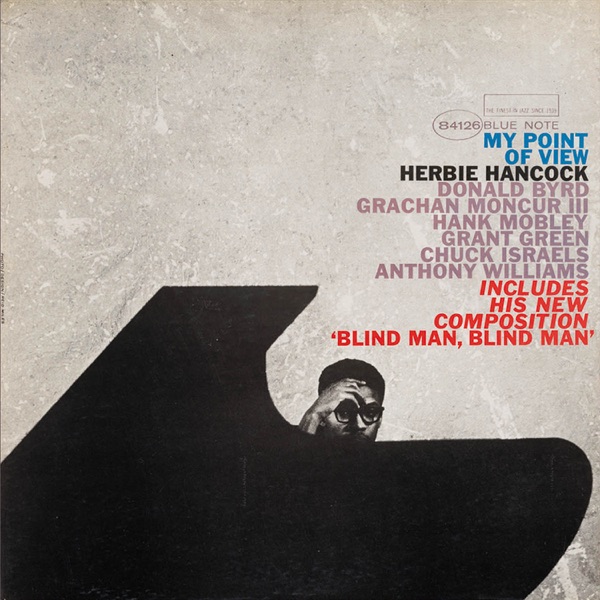
My Point of View 1963
Herbie Hancock
plays piano here
plays piano here

The All Seeing Eye 1966
Wayne Shorter
plays tenor saxophone here
plays tenor saxophone here

The Latin Bit 1963
Grant Green
plays guitar here
plays guitar here
♫
The Oracle 1989
Billy Higgins
plays drums (drum set) here
plays drums (drum set) here


