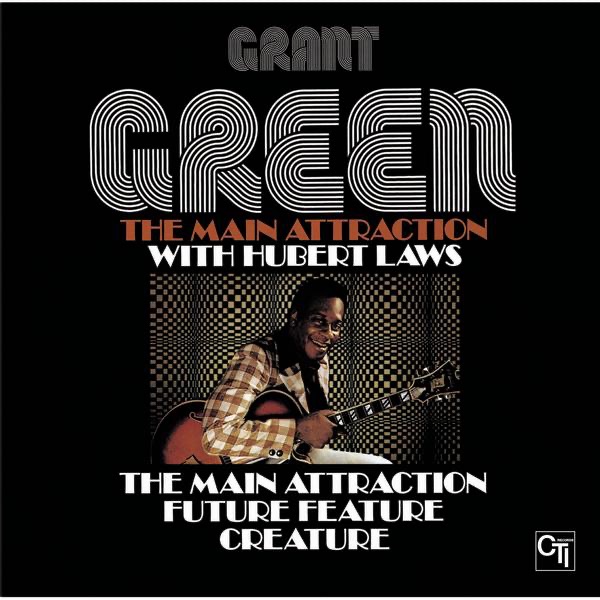
One Note, Perfectly Placed
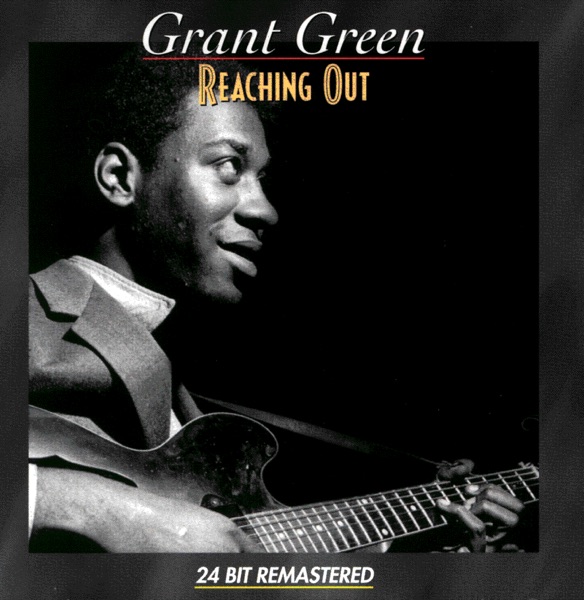
Green came up in St. Louis playing in blues and gospel settings, and that background stuck with him for his whole career. He wasn't interested in the dense chord-melody style that a lot of jazz guitarists leaned into. His approach was almost purely single-note lines, clean and unhurried, with a tone that was warm without being soft. When he soloed, you could follow every idea he had because he didn't bury anything in technique. That's rarer than it sounds.
He arrived in New York around 1960 and almost immediately fell into the Blue Note orbit, which turned out to be a perfect fit. Alfred Lion kept booking him, sometimes as a leader, sometimes as a sideman, and Green thrived in both roles. He played on records with Hank Mobley, Horace Parlan, Ike Quebec, and Herbie Hancock, among others, adapting without ever losing what made him recognizable. His tone and his rhythmic feel were so consistent that you can pick him out of a session in about four bars.
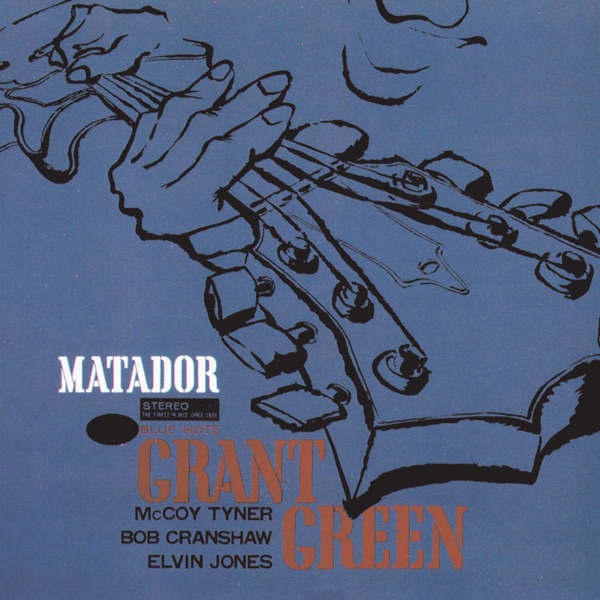
The soul jazz records he made in the mid-60s are probably the easiest entry point — things like Idle Moments (1964) and Matador (1964) hit a balance between accessibility and real jazz substance that a lot of that era's output missed. Idle Moments (1965) in particular has that long, slow title track that just lets everyone breathe and develop ideas. It's the kind of record that rewards patience, which isn't a backhanded compliment — it means the music doesn't need you to be paying close attention at every second, but when you do tune in, there's always something worth hearing.
Green struggled with addiction through a good portion of his career, and there's a noticeable gap in his Blue Note output in the late 1960s. When he came back in the early 1970s, the music had shifted toward funk and R&B influences, and he went with it. Records like Shades of Green (1971) have a looser, more groove-oriented feel that some purists didn't love but that honestly suits him fine. His sense of rhythm was always as important as his melodic ideas, so playing over a heavier groove wasn't really a stretch.
He died in 1979, which cut things off before he got much chance to benefit from the renewed interest in hard bop that was building momentum. That's the frustrating part of the story. But the Blue Note catalog he left behind is substantial — there are enough records to keep you busy for a long time, and the best of them hold up completely. If you're new to him, start with Idle Moments (1964) or Grant Street (1963) and just pay attention to how he constructs a phrase. Everything he does makes sense, and that's not as easy to pull off as he makes it look.