1964 · Album
Solid
Recorded 1964 · Released: 1979 on Blue Note · Personnel: Grant Green (guitar), McCoy Tyner (piano), Elvin Jones (drums), Bob Cranshaw (bass), James Spaulding (alto saxophone), Joe Henderson (tenor saxophone)

When Green Played Harder Than Usual
A rare moment when Grant Green tackled complex hard bop with a heavyweight group and burned through it with real fire.
Solid captures Grant Green doing something he didn't do often enough — playing in a setting where the material demanded real stretch and the bandmates could match his intensity. Recorded in 1964 but shelved for fifteen years, this is Green in a harder, more angular mood than his usual output. The album pairs him with McCoy Tyner, Elvin Jones, and Bob Cranshaw from earlier sessions, then adds James Spaulding on alto and Joe Henderson on tenor saxophone. That's a heavy lineup, and it shows in the way the music moves. Instead of groove-based soul-jazz, which is where Green spent most of his time, these sessions lean toward challenging hard bop with modal elements — complex twists that the five of them navigate with real enthusiasm.
AllMusic reviewer Steve Huey called it one of Green's strongest jazz outings, a unique standout in his catalog. That's a fair read. Green wasn't a musician who constantly chased innovation, and he didn't often surround himself with saxophonists pushing this kind of harmonic density. The repertoire here demands attention in a way his commercial soul-jazz records didn't. You can hear him responding to the challenge — his lines are sharper, his choices more deliberate. This isn't a turning point in his career; Green would never abandon the soulful, blues-inflected approach that defined him. But it's proof he could play this music when the moment called for it, and that he belonged in rooms with these kinds of musicians.
Solid arrived on Blue Note in 1979, long after it was made, which meant it never shaped his reputation in real time. For someone coming to Green's work, this is not the place to start — reach for his soul-jazz records or his organ trio sides first. But once you know his standard approach, this one rewards the detour. It shows range, and it shows a musician willing to be pushed.
Who's playing
Bob Cranshawdouble bass
McCoy Tynerpiano
Grant Greenguitar
Joe Hendersontenor saxophone
James Spauldingalto saxophone
Elvin Jonesdrums
Where next?
More by Grant Green
All 38 albums →


The musicians on this record

The Real McCoy 1967
McCoy Tyner
plays piano here
plays piano here
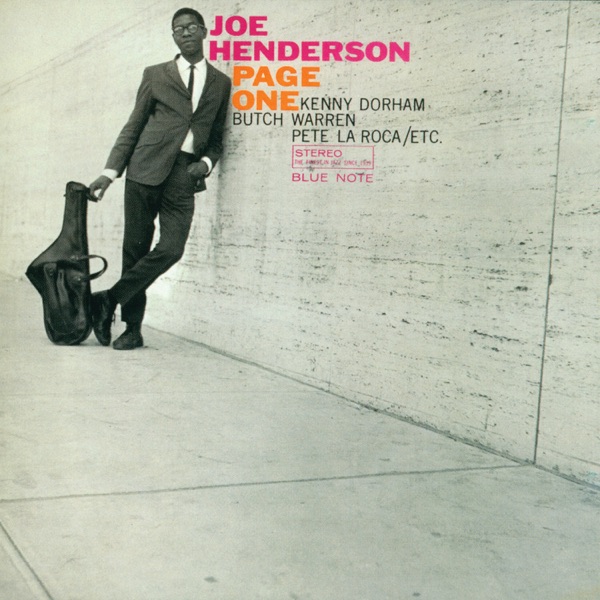
Page One 1963
Joe Henderson
plays tenor saxophone here
plays tenor saxophone here

Dear John C. 1965
Elvin Jones
plays drums (drum set) here
plays drums (drum set) here


