1964 · Album
Matador
Recorded 1964 · Blue Note (originally Japanese release 1979) · Produced by Not specified in provided sources
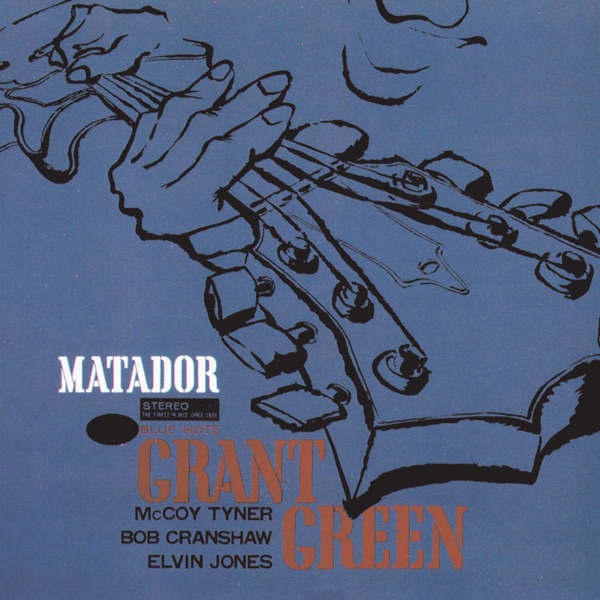
Modal clarity from Grant Green's vault
A cool-toned, straight-ahead workout that lets Green's crystal-clear articulation shine.
Matador sits apart from what most people know Grant Green for. His reputation rests on soul-jazz grooves and funk-tinged guitar work, the kind of thing that made him a reliable session player and bandleader on the Blue Note circuit. But this album, recorded in 1964, shows him working in a different space entirely—modal, uncluttered, built for improvisation rather than groove. It's a reminder that Green was more versatile than his most famous records suggest.
The group is tight and purposeful. McCoy Tyner on piano and Elvin Jones on drums bring the kind of focused intensity they were known for in other contexts, and Bob Cranshaw anchors everything from the low end. But the album belongs to Green. His tone is clean and precise here, without the wah-wah or heavy effects that defined his funkier work. He takes space seriously, building ideas methodically rather than filling every gap. AllMusic reviewer Steve Huey nailed it: the playing is advanced, but surprisingly accessible—there's nothing alienating about it, just musicians working through interesting harmonic territory without pretense.
Matador spent fifteen years in the vault before Japan's Blue Note reissue program dug it out in 1979. By the time it reached American ears on CD in 1990, Green had been gone for five years. The belated release means the album never shaped his reputation the way it might have if it had come out close to the session date. For collectors and Green followers, it's essential—proof that he could do straight-ahead jazz as well as anyone. For people coming to Green fresh, start elsewhere: try something that shows off his soul-jazz side first. But if you already know his grooves, Matador shows what else was in the toolkit.
Who's playing
Where next?
More by Grant Green
All 38 albums →


The musicians on this record

The Real McCoy 1967
McCoy Tyner
plays piano here
plays piano here

Dear John C. 1965
Elvin Jones
plays drums (drum set) here
plays drums (drum set) here


