Genre
Soul Jazz
Late 1950s–1960s — United States — Earthy, Groove-Driven, Blues-Soaked
Soul jazz brought jazz back to church, back to the blues, back to the neighborhood. Built on swinging organ grooves, gospel-inflected melodies, and a rhythm section that never lets you forget your body, it was a deliberate move away from the cerebral complexity of bebop toward something warmer and more immediately satisfying. If hard bop was jazz thinking hard, soul jazz was jazz letting loose.

By the late 1950s, bebop and its descendants had pushed jazz toward serious intellectual territory. That was thrilling for a certain audience, but it also widened the gap between the music and the African American communities that had always been its lifeblood. Soul jazz was a course correction — a way of saying that sophistication and accessibility don't have to be enemies. The Hammond B-3 organ became the sound's anchor instrument, partly because of economics (it replaced both piano and bass in smaller clubs) and partly because of its natural connection to gospel music. When Jimmy Smith released A New Sound, A New Star (1956), listeners heard something familiar and exciting at the same time — jazz technique applied to an instrument that smelled like Sunday morning.
The Blue Note and Prestige labels were central to documenting this moment. Horace Silver was one of the key architects, writing tunes with actual hooks, melodies you could hum walking out of a club. His work with the Jazz Messengers and then his own quintet — especially Song for My Father (1965) — showed how deep the gospel and Latin influences could run without the music ever losing its jazz credentials. Around the same time, Lou Donaldson and Stanley Turrentine were doing similar work on saxophone, finding a middle path between blues directness and jazz complexity.
The organ trio format became the genre's most distinctive configuration — organ, guitar, and drums, often playing in small clubs with cover charges low enough that working-class audiences could actually afford to show up regularly. Jimmy McGriff, Jack McDuff, and Shirley Scott all built careers in this setting, and the music they made was deeply functional in the best sense: it worked in a room full of people who wanted to eat, drink, and feel good. That grounded quality is sometimes held against soul jazz by critics who prefer their jazz more austere, but it's actually one of its strengths. The music knows what it's for.
Soul jazz never really went away — it just got absorbed. You can hear it in the rhythm-and-blues records of the 1960s and 1970s, in the Hammond B-3 that keeps showing up on hip-hop samples, in the Blue Note reissue culture of the 1990s that introduced a whole new generation to Grant Green and Leo Parker. Acid jazz producers in London were essentially curating a soul jazz record collection and adding a drum machine. The genre's influence is so widespread now that it can be hard to identify as a discrete thing — but put on Back at the Chicken Shack (1963) by Smith and within thirty seconds you know exactly what it is and why people loved it.
Jazz that remembers where it came from — the church, the blues, the neighborhood.
Essential Albums
♫
The Sermon!
Jimmy Smith · 1958
A sprawling, blues-drenched organ session that essentially wrote the soul jazz rulebook in real time.
♫
Horace-Scope
Horace Silver · 1960
Silver's writing is at its sharpest here — funky, hooky tunes that swing hard without ever feeling like they're trying too hard.
♫
Back at the Chicken Shack
Jimmy Smith · 1963
Recorded in a single session with Stanley Turrentine, this is the organ trio format at its most joyful and assured.
♫
Song for My Father
Horace Silver · 1965
The Latin and gospel threads that run through soul jazz converge perfectly here, and the title track became one of the most recognizable melodies in the genre.
In This Genre
101 artists in your library♫
Madlib (Otis Jackson Jr.)
Producer/Multi-Instrumentalist - USA - Spiritual Jazz / Jazz Fusion
Madlib isn't a jazz musician in the traditional sense — he's a crate-digger who fell so deep into jazz records that he started making his own, under a dozen fake names, playing every instrument himself. He built an entire imaginary band called Yesterdays New Quintet just so he could channel Sun Ra, Alice Coltrane, and Roy Ayers without anyone looking over his shoulder.
Cannonball Adderley
Alto Saxophone - United States - Hard Bop & Soul Jazz
Cannonball Adderley was the embodiment of accessible sophistication—a saxophonist whose warm, full-bodied tone and infectious swing made complex harmonies feel like a natural conversation. His ability to bridge the gap between avant-garde jazz and popular appeal made him one of the most beloved bandleaders of the 1960s, proving that commercial success and artistic integrity weren't mutually exclusive.
♫
Nat Adderley
Cornet - United States - Hard Bop / Soul Jazz
Nat Adderley spent a lot of his career standing next to his more famous older brother Cannonball, but he wrote one of the most recorded tunes in jazz history and had a sound on cornet nobody else really had. He played it fat, warm, and a little dirty — closer to a blues shout than a trumpet solo — and that sound became the backbone of soul jazz.
♫
Gene Ammons
Tenor Saxophone - USA - Soul Jazz / Hard Bop
Gene Ammons played tenor sax like he was testifying in church and telling you a dirty joke at the same time. Chicago born, big-toned, and never in a hurry, he turned bebop's fast talk into something you could slow dance to.
♫
Roy Ayers
Vibraphone · USA · Jazz-Funk / Soul-Jazz
Roy Ayers is the rare musician who built a loyal following in two completely different worlds — jazz and funk — and never really had to choose between them. Starting as a hard bop vibraphonist in the 1960s, he gradually developed a warm, groove-centered sound that became one of the most sampled catalogs in hip-hop history. He didn't abandon jazz for pop; he just followed his ear somewhere irresistibly funky.
♫
Gary Bartz
Alto Saxophone - USA - Hard Bop / Soul Jazz
Gary Bartz has been making uncompromising alto saxophone music since the 1960s, moving through hard bop, funk-inflected soul jazz, and back again without ever losing the thread. He came up through some of the most demanding bands in jazz history — playing with Max Roach, Art Blakey, and then Miles Davis at the turn of the 1970s — and what he learned in those rooms still shows up in every solo he plays. If you know his name at all, you probably know him from one great record, but his story is a lot longer and stranger than that.
♫
Steven Bernstein
Trumpet, Slide Trumpet - United States - Avant-Garde / Soul Jazz
Steven Bernstein plays trumpet like he's conducting a parade through a junk shop — brass fanfares, New Orleans swagger, and downtown New York grit all crammed into the same horn line. He's the guy who can arrange strings for Levon Helm one year and lead a slide-trumpet quartet covering Prince the next, and somehow both make total sense coming from him.
♫
Willie Bobo
Percussion - United States - Latin Jazz
Willie Bobo grew up in Spanish Harlem banging on whatever was around until the banging turned into a career. He spent his life translating Afro-Cuban rhythm into something New York and Los Angeles could dance to, and along the way he helped invent a sound that was neither straight Latin nor straight jazz but its own thing entirely.
♫
Alligator Boogaloo
Organ - USA - Soul Jazz / Funk
Alligator Boogaloo is not a person — it's a groove. Released in 1967, this landmark Blue Note album by organist Lou Donaldson became one of the label's best-selling records of its era, capturing a moment when hard bop was loosening its collar and letting the funk in. The title track alone is a masterclass in how to make a room move without sacrificing musicality.
♫
James Booker
Piano - USA - New Orleans R&B / Jazz
James Booker was the most technically staggering pianist New Orleans ever produced, which is saying a lot given the competition. He played classical, jazz, R&B, gospel, and funk simultaneously, not as a party trick but because that was just how his brain worked. He was also wildly self-destructive, deeply eccentric, and largely broke when he died at 43 — which means most people still don't know his name the way they should.
♫
Ray Bryant
Piano - United States - Hard Bop / Soul Jazz
Ray Bryant played piano like he grew up in church and never left the block — because he did both. He came out of Philadelphia with a sound built on blues and gospel changes, and he never bothered to hide it under bebop's more polite vocabulary.
♫
Kenny Burrell
Guitar - USA - Hard Bop / Blues
Kenny Burrell is the guitarist you keep coming back to — not because he's flashy, but because he's always saying exactly the right thing. He came up in Detroit, worked constantly in New York, and somehow made a career out of making the guitar sound warmer and more honest than almost anyone else. If you want to understand what blues feels like inside a jazz context, Burrell is your guy.
♫
Henry Butler
Piano - USA - Contemporary Jazz
Henry Butler played piano like he had ten hands and something to prove to every one of his heroes at once — Tatum's speed, Professor Longhair's second-line swagger, a classical player's discipline, all crammed into the same eight bars. He was blind from infancy and never let it slow him down, touring and recording for four decades out of New Orleans and later New York, always sounding like a man in a hurry to say everything he knew.
♫
Larry Carlton
Guitar - United States - Jazz Fusion
Larry Carlton is the guy who played on half the records in your parents' collection without you ever knowing his name. He built a career out of being the best session guitarist in Los Angeles, then stepped out front and showed everyone he'd been holding back the whole time.
♫
Doug Carn
Organ, Piano - United States - Spiritual Jazz
Doug Carn made some of the most quietly radical jazz records of the early 1970s by doing something almost heretical: putting words to instrumental classics by John Coltrane and Wayne Shorter. Paired with his then-wife, vocalist Jean Carn, he turned Black Jazz Records into a home for organ-driven spiritual jazz that sounded like church, protest, and late-night meditation all at once.
♫
Ray Charles
Piano & Vocals - American - Soul Jazz / Vocal Jazz
Ray Charles didn't so much blend genres as ignore the walls between them — gospel, blues, country, jazz, pop all went into the same pot and came out sounding like nothing else. He was blind from the age of seven and playing professionally by his teens, working out his style in the roadhouses and radio stations of the American South before the rest of the world caught up. By the time he was famous, he'd already reinvented himself several times over.
♫
Mike Clark
Drums - USA - Jazz Fusion
Mike Clark is the drummer who figured out how to make a groove sound like it was falling down the stairs and landing on its feet every single time. He's the guy behind the beat on Thrust, the one that made every drummer who heard it rewind and try to count it out on their fingers. Decades later he's still doing club dates and clinics, still explaining a rhythm that most people can feel but can't quite diagram.
♫
Arnett Cobb
Tenor Saxophone - United States - Swing
Arnett Cobb played tenor sax like he was trying to knock the back wall out of the club. He came up in Texas, cut his teeth in territory bands, and ended up filling one of the biggest shoes in jazz history when he replaced Illinois Jacquet in Lionel Hampton's band. He spent the rest of his career proving that the big, honking, blues-soaked Texas tenor sound was a tradition worth keeping alive, even after a car accident and years of health trouble should have ended it.
♫
Junior Cook
Tenor Saxophone - USA - Hard Bop
Junior Cook spent years as the other tenor player — the one who wasn't Hank Mobley, the one standing next to Blue Mitchell in the Horace Silver Quintet while critics looked the other way. That anonymity was their loss. Cook was a gritty, swinging hard bop saxophonist with a big warm tone and an unfussy directness that makes his records feel like a conversation rather than a performance.
♫
Randy Crawford
Vocalist - USA - Vocal Jazz / Soul
Randy Crawford is the voice you've heard even if you don't know her name — that smoky, unhurried delivery on 'Street Life' with The Crusaders. She came up through church choirs and smoky Ohio clubs before landing in the gap between jazz, soul, and pop, and she's spent her career refusing to pick a side.
♫
Hank Crawford
Alto Saxophone - USA - Soul Jazz
Hank Crawford played alto saxophone like he was singing a slow blues in church — all feeling, no wasted notes. He came up through the Ray Charles organization and never lost that deeply rooted, gospel-drenched approach to jazz. In an era that rewarded complexity and speed, Crawford just kept making music that hit you somewhere low in the chest.
♫
Chip Crawford
Piano - USA - Contemporary Jazz
Chip Crawford is the kind of pianist who makes everyone around him sound better, which is probably why he has spent so much of his career as a first-call accompanist. He has been the engine behind Chris Walker, and logged serious time alongside some of the best vocalists and horn players working in contemporary jazz. His playing is warm, unpretentious, and deeply swinging — the sort of thing you notice most when it isn't there.
♫
Israel Crosby
Bass - USA - Swing / Early Jazz
Israel Crosby was playing bass with a sophistication that most musicians wouldn't catch up to for another decade, and he was doing it as a teenager in Chicago. He spent much of his career as the quiet engine behind other people's famous records, the kind of player you only notice when he's gone. Ask anyone who worked with him and the answer is always the same: the band just felt better.
♫
Donald Dean
Drums - USA - Soul Jazz
If you've spent any time digging through Black Jazz Records sides from the early '70s, you've heard Donald Dean's cymbal work without necessarily knowing his name. He was the drummer other musicians trusted to hold a groove together while everyone else got loose on top of it.
♫
Lou Donaldson
Alto Saxophone · USA · Hard Bop / Soul Jazz
Lou Donaldson is one of the last living links to the golden age of Blue Note hard bop, a Charlie Parker disciple who gradually carved out his own identity by leaning hard into the blues and the church. Where some of his contemporaries chased abstraction, Donaldson doubled down on groove and accessibility without ever losing his craft. The result is a body of work that stretches from bebop orthodoxy to funky soul jazz, and it still sounds like a party you actually want to attend.
♫
Joe Dukes
Drums - United States - Soul Jazz
Joe Dukes never fronted a band, never cut a solo album, and probably never wanted to. He was the guy behind the organ, locking down the groove so Brother Jack McDuff could preach and a young George Benson could fly, and if you know soul jazz drumming at all, you already know his sound even if you never learned his name.
♫
Ahmet Ertegun
Record Producer / Label Founder - Turkey / USA - Jazz & R&B
Ahmet Ertegun never played an instrument on the records that made him famous, but without him a huge chunk of American jazz and R&B might sound completely different. He co-founded Atlantic Records out of a hotel room with borrowed money and a genuine love of the music, and somehow turned that into one of the most important labels in jazz, soul, and rock history.
♫
Wilton Felder
Tenor Saxophone & Bass - USA - Soul Jazz / Fusion
Wilton Felder spent his whole career refusing to pick a lane, and it worked out fine. He co-founded The Crusaders, blew tenor sax with a big Texas honk, and somehow also became one of the most called-upon bass players in Los Angeles studios. Ask a casual listener who he is and they probably don't know the name — but they've heard him.
♫
Robben Ford
Guitar - USA - Blues-Jazz Fusion
Robben Ford is the guitarist jazz musicians call when they want someone who can actually bend a note like he means it. He came up playing blues behind singers like Jimmy Witherspoon, then kept wandering into rooms where nobody expected a blues player to belong — Joni Mitchell's band, Miles Davis's stage, the founding lineup of Yellowjackets. He never stopped being a blues guy. He just got very good at using that voice in jazz company.
♫
Vernell Fournier
Drums - USA - Hard Bop
Vernell Fournier is best remembered for one of the most recognizable drum grooves in jazz history — the relaxed, almost floating swing he laid down on Ahmad Jamal's live recordings at the Pershing Hotel. But reducing him to a single gig would be doing him a disservice. He was a drummer's drummer: subtle, economical, and deeply musical in a way that made everyone around him sound better.
♫
Red Garland
Piano - USA - Hard Bop / Soul Jazz
Red Garland had a way of making the piano sound like it was having a good time, which sounds simple until you realize how hard that is to fake. He came up through the clubs of Dallas and Philadelphia before landing the piano chair in the most talked-about rhythm section in jazz, and he never lost the ease and swing that made him indispensable. His style was instantly recognizable — those two-handed block chords, the bluesy right-hand runs — and it influenced just about every mainstream jazz pianist who came after him.
♫
Benny Golson
Tenor Saxophone - USA - Hard Bop
Benny Golson wrote some of the most-played tunes in jazz history before most people knew his name, and then spent decades proving he could blow just as hard as he could compose. His tenor sound is warm and slightly burnished, the kind that makes a room feel like it closed in around you without anyone noticing. He is one of those rare musicians where the pen and the horn feel equally weighted.
♫
Grant Green
Guitar · USA · Hard Bop / Soul Jazz
Grant Green played guitar the way a good blues singer phrases a line — he never cluttered a note, never rushed, and somehow made the simplest melodic statement feel completely inevitable. He spent most of the 1960s recording for Blue Note at a pace that was almost reckless, cutting session after session that ranged from straight-ahead hard bop to greasy soul jazz, often with whoever happened to be around. The records are uneven in the way that honest, working-musician output tends to be, but when he was locked in, few guitarists have ever sounded quite so purely themselves.
♫
Richard Groove Holmes
Organ - United States - Soul Jazz
Richard Holmes earned his nickname honestly — nobody sat down at a Hammond B-3 with a deeper pocket or a heavier left hand. He never chased the avant-garde or worried much about being called a serious artist; he just wanted the room to move.

Roy Hargrove
Trumpet - United States - Post-Bop, Hard Bop, Soul Jazz
Roy Hargrove arrived in New York in the late 1980s as a prodigy with a burnished tone and an instinctive grasp of tradition—yet he never mistook reverence for invention. Over three decades, he moved fluidly between bebop, funk, and Afro-Cuban rhythms, always leading with emotion rather than technical display. His best work captured something increasingly rare in jazz: the feeling of a musician genuinely discovering what to play in the moment.
♫
Eddie Harris
Tenor Saxophone - United States - Soul Jazz
Eddie Harris had a hit record before he turned thirty and then spent the rest of his career refusing to repeat himself. He plugged his saxophone into effects boxes, sang through a reed trumpet, and turned a protest song into a crossover smash, all while the jazz establishment squinted at him sideways.
♫
Antonio Hart
Alto Saxophone - USA - Post-Bop
Antonio Hart came up fast and hard in the early 1990s, a Baltimore-born alto player who sounded like he'd been listening to Charlie Parker and Jackie McLean his whole life — because he had. He arrived with technical firepower and a warm, singing tone that set him apart from the cooler, more detached players of his generation. The records he made early in his career hold up better than most people remember.
♫
Louis Hayes
Drums - United States - Hard Bop
Louis Hayes was barely out of his teens when he landed in some of the hottest bands in jazz, and he never really left. He's the drummer who made Horace Silver's funk swing and Cannonball Adderley's soul jazz hit like a punch, and he's still out there playing with that same crackling energy decades later.
♫
The Headhunters
Ensemble - USA - Jazz Fusion
Herbie Hancock walked away from an acoustic quintet and into a groove machine, and the result was a band that made jazz musicians dance instead of just nod along. The Headhunters didn't apologize for being funky — they leaned into it, and jazz has never quite recovered.
♫
Wayne Henderson
Trombone - United States - Soul Jazz / Fusion
Wayne Henderson played trombone like it was a horn section all by itself — fat, funky, and built for the dance floor as much as the jazz club. He co-founded The Jazz Crusaders in Houston, rode the band through its transformation into The Crusaders, and then quietly became one of the most in-demand producers in Black popular music.
♫
Johnny Hodges
Alto Saxophone - USA - Swing
Johnny Hodges spent most of his career in the shadow of Duke Ellington's orchestra, which is a little like saying Sinatra spent most of his career in the shadow of a microphone. His alto saxophone sound was so immediately recognizable — warm, slightly lazy, impossibly sensual — that Ellington built entire compositions just to show it off. Nobody else on the instrument sounded quite like him, before or since.

Billie Holiday
Vocals - USA - Jazz Standards & Blues
Billie Holiday transformed the jazz vocal tradition through sheer force of emotional authenticity, bending melody and time to serve her interpretation rather than the song itself. Her voice—fractured, world-weary, and achingly human—became an instrument of profound vulnerability that influenced generations of singers. Despite a life shadowed by racism, poverty, and addiction, she created some of the twentieth century's most indelible art.
♫
Red Holloway
Tenor Saxophone - United States - Soul Jazz
Red Holloway spent his career in the engine room of jazz rather than out front with the marquee players, and that was exactly where he wanted to be. He had a big, bluesy tenor sound built for organ trios and backroom clubs, and he used it to make a living for six decades without ever chasing a trend.

Freddie Hubbard
Trumpet - USA - Hard Bop, Fusion, Soul Jazz
Freddie Hubbard was a virtuoso trumpeter whose technical brilliance and emotional directness made him one of the most recorded jazz musicians of the post-bop era. From hard bop grooves to avant-garde explorations and electric fusion experiments, Hubbard's burnished tone and fearless improvisational approach commanded respect across multiple decades. His collaborations shaped the sound of Blue Note Records in the 1960s and beyond.
♫
Bobbi Humphrey
Flute · USA · Jazz-Funk / Soul Jazz
Bobbi Humphrey made the flute sound like it belonged in a club, not a concert hall — warm, funky, and completely comfortable sitting next to a wah-wah bass. She came up through the Blue Note roster in the early 1970s and became one of the label's best-selling artists of that era, which surprises people who only know Blue Note for hard bop. Her records are the kind of thing that DJs and crate-diggers have been looping for decades without always knowing whose name is on the cover.

Bobby Hutcherson
Vibraphone - United States - Modal Jazz, Soul Jazz
Bobby Hutcherson was the vibraphone's poet laureate, transforming the instrument from a rhythmic accompanist into a vehicle for lyrical expression and harmonic sophistication. His liquid tone and intuitive sense of space made him one of the most recorded vibraphonists in jazz history, equally at home in modal explorations and soul-inflected grooves. For five decades, Hutcherson proved the vibraphone could sing with the depth and nuance of any horn.
♫
Paul Jackson
Bass - United States - Jazz Fusion
Paul Jackson is the reason Herbie Hancock's Headhunters sound like they're breathing instead of playing. He didn't slap the bass so much as he leaned into it, laying down lines so deep and locked-in that entire dance floors moved without thinking about why. If you've ever nodded your head to a groove and didn't know who to thank, there's a decent chance it was him.
♫
Brian Jackson
Piano, Flute — USA — Soul Jazz, Fusion
Before most people had figured out what to do with a synthesizer in a jazz context, Brian Jackson was already weaving flute lines and electric piano into something that felt completely natural. He spent the better part of a decade as the musical backbone behind Gil Scott-Heron, co-writing some of the sharpest, most politically charged music of the 1970s. Outside that partnership, his story is less told than it deserves to be.
♫
Illinois Jacquet
Tenor Saxophone - USA - Swing
Illinois Jacquet was twenty years old when he played a solo that basically invented a sound. That one chorus on 'Flying Home' with Lionel Hampton's band didn't just make him famous overnight, it gave an entire generation of saxophonists a new way to scream, honk, and shout through their horns.
♫
Bob James
Piano - USA - Smooth Jazz / Fusion
Bob James is the pianist and arranger who essentially built the sonic furniture of smooth jazz — the warm Rhodes tones, lush string arrangements, and grooves that became inescapable on late-70s FM radio. His records for CTI and Tappan Zee are also among the most sampled in hip-hop history, which is its own kind of vindication. He's easy to underestimate if you only know his reputation, and easy to appreciate once you actually sit down with the records.
♫
Rudolph Johnson
Tenor Saxophone - United States - Spiritual Jazz
Rudolph Johnson cut two albums for Black Jazz Records in the early seventies and then more or less vanished from the jazz conversation, which is a shame, because those records are some of the warmest, most soulful tenor playing to come out of that whole spiritual jazz moment. He never chased a bigger name for himself. He just played with real conviction and let the tape roll.
♫
Quincy Jones
Arranger / Producer - USA - Hard Bop, Big Band, Soul Jazz
Quincy Jones spent decades being the most useful person in any room he walked into — as a teenage trumpet prodigy in Seattle, as an arranger rebuilding Count Basie's band on the fly, as the producer who helped Michael Jackson sell records in numbers nobody had seen before. Jazz was where he started, and it never really left him, even when everything else got much bigger and much louder.
♫
Calvin Keys
Guitar - USA - Soul Jazz
Calvin Keys is one of those guitarists who spent decades playing in other people's bands before anyone thought to put his name on the marquee. He had a tone that could cut through a Hammond organ trio one night and float over a spiritual jazz sermon the next, and once Black Jazz Records finally let him lead his own session, it turned out he'd been worth the wait all along.
♫
Rahsaan Roland Kirk
Multi-Instrumentalist - United States - Avant-Garde Jazz
Rahsaan Roland Kirk could play three horns at once and somehow make it sound like a conversation, not a party trick. He was blind, loud, funny, political, and completely serious about music even when he was juggling a tenor sax, a manzello, and a stritch at the same time.
♫
Nils Landgren
Trombone, Vocals - Sweden - Jazz Fusion
He plays a red trombone, sings like he means it, and has spent decades proving that jazz doesn't have to apologize for groove. Nils Landgren is the guy who shows up at a festival in a leather jacket and leaves the stage drenched in sweat, funk horns blaring behind him.
♫
Yusef Lateef
Saxophone & Flute - United States - Spiritual Jazz
Yusef Lateef played saxophone like a hard bop veteran and flute like he'd learned it somewhere far from Detroit, which in a way he had, at least in his head. He spent decades folding oboe, bassoon, and instruments most jazz musicians couldn't name into his records, long before 'world music' was a section in the record store.
♫
DJ Logic
Turntables - United States - Jazz Fusion
DJ Logic took the turntable and treated it like a horn in a jazz band, scratching and looping his way into rooms where nobody expected a DJ to belong. He built his name not in hip-hop clubs but on jam band stages and jazz bills, proving the decks could swing just as hard as a saxophone.
♫
Eddy Louiss
Hammond Organ - France - Soul Jazz
Eddy Louiss took the Hammond B3 — an instrument built for American churches and Chicago soul clubs — and made it speak fluent French jazz. He had the voice of a singer and the ear of a vibraphonist before he ever touched an organ, and you can hear both in the way he played: warm, melodic, never showing off just to show off.
♫
Herbie Mann
Flute - USA - Jazz Fusion
Herbie Mann was the guy who made the flute a real jazz instrument, then spent the rest of his career annoying critics by refusing to sit still in one genre. He chased bossa nova to Brazil, funk to Memphis, and highlife to Africa, and he usually came back with a hit record. Jazz snobs sneered, audiences didn't care, and Mann just kept going.
♫
Arif Mardin
Producer / Arranger - USA - Vocal Jazz & Soul Jazz
Born into an aristocratic Istanbul family, Arif Mardin arrived in Boston on a Berklee scholarship and never really left the music industry — he just kept climbing until he was shaping the sound of Atlantic Records for decades. He was the rare arranger-producer who could make a jazz vocal session feel intimate on a Tuesday and have a pop record sounding like a million dollars on a Wednesday, without either one feeling like a compromise. The musicians who worked with him tended to come back.
♫
Medeski Martin & Wood
Piano / Organ Trio — USA — Groove Jazz / Avant-Funk
Medeski Martin & Wood spent the 1990s building a cult following in clubs and on the jam band circuit, playing a kind of jazz that owed as much to New Orleans funk and avant-garde noise as it did to anything in the hard bop tradition. They were the band your older brother discovered before anyone else, the one that made you realize jazz didn't have to feel like homework. Three guys locked into a groove so deep it could swallow you whole.
♫
Medeski Scofield Martin & Wood
Ensemble - USA - Jazz-Funk / Groove
Take John Medeski's greasy organ, John Scofield's blues-drenched guitar, and the locked-in rhythm partnership of Billy Martin and Chris Wood, and you get something that sounds like a downtown New York jam session that just accidentally caught fire. This quartet has no fixed agenda — some nights it's funk, some nights it's free jazz, some nights it's something you can't really name. That open-endedness is kind of the whole point.
♫
Pat Martino
Guitar - United States - Hard Bop / Soul Jazz
Pat Martino played guitar like he was solving a math problem at top speed, except the math problem swung hard. Then in 1980 a brain aneurysm took his memory, including the memory of how to play his own instrument, and he built it all back from old records of himself. Few stories in jazz are stranger or more quietly heroic than that one.
♫
Les McCann
Piano, Vocals - USA - Soul Jazz
Les McCann played piano like he was preaching and singing like he had somewhere urgent to be. He came up through gospel and blues before jazz got hold of him, and that mix never left his music — funky, direct, built for people who wanted to feel something, not just admire it.
♫
Jack McDuff
Organ - United States - Soul Jazz
Brother Jack McDuff started out playing bass in blues bands around Chicago, but once he sat down at a Hammond B-3 he never really got up again. He built a sound that was greasy, churchy, and built for dancing, and along the way he gave young guitarists like George Benson and Pat Martino their first real education on a bandstand.
♫
Jack McDuff
Hammond Organ - USA - Soul Jazz
Brother Jack McDuff was the kind of organist who made you feel the music in your chest before your brain had time to catch up. He came up through the blues and never really left, even when he was deep inside a jazz context. His Hammond B-3 had a grit and a swagger that set him apart from the more polished players of his era.
♫
Gary McFarland
Vibraphone / Composer - USA - Cool Jazz
Gary McFarland came to jazz late, picked up arranging almost entirely on his own, and within a few years was writing charts that seasoned professionals couldn't stop talking about. He had a gift for making a big band sound intimate and a small group sound lush, and he did it without ever losing the swing. He was dead at 38, which means we're left guessing how far he might have gone.
♫
Jimmy McGriff
Organ - USA - Soul Jazz
Jimmy McGriff didn't come up through jazz clubs — he came up through R&B bands and a police academy, and you can hear both in his playing. His Hammond B3 sound was funky before funk had a name, built for dancing as much as listening.
♫
Cécile McLorin Salvant
Vocals - USA - Contemporary Jazz / Cabaret / Blues
Cécile McLorin Salvant is the kind of singer who makes you forget about every other singer you were just thinking about. She grew up in Miami, studied classical music and then jazz in Aix-en-Provence, France, and came back sounding like she had absorbed a century of American music and then quietly decided to do something stranger with it. She won the Thelonious Monk International Jazz Vocals Competition in 2010 and has been making everyone slightly nervous ever since.
♫
Blue Mitchell
Trumpet · USA · Hard Bop / Soul Jazz
Blue Mitchell had one of those trumpet sounds that felt lived-in from the first note — warm, a little husky, never flashy for its own sake. He spent the better part of the 1950s and 60s anchoring some of the best hard bop records on the Riverside label, often in the shadow of bigger names, which is probably why casual listeners still sleep on him. Put on almost anything he recorded and you'll wonder why you waited.
♫
Larry Mizell
Producer / Composer — USA — Jazz Funk
Larry Mizell, along with his brother Fonce, built one of the most distinctive sounds in 1970s jazz-funk without most people ever knowing his name. As producers and arrangers for Blue Note Records, the Mizell Brothers turned artists like Donald Byrd and Johnny Hammond into crossover sensations at a time when jazz desperately needed new listeners. Their records are warm, funky, and immediately recognizable — and they still sound great today.

Wes Montgomery
Guitar - United States - Soul Jazz
Wes Montgomery transformed the electric guitar from a rhythm instrument into a singing voice capable of breathtaking lyricism and unprecedented technical mastery. His distinctive thumb-picking technique and luminous tone made him one of jazz's most influential and beloved figures, bridging the gap between hard bop sophistication and popular accessibility.
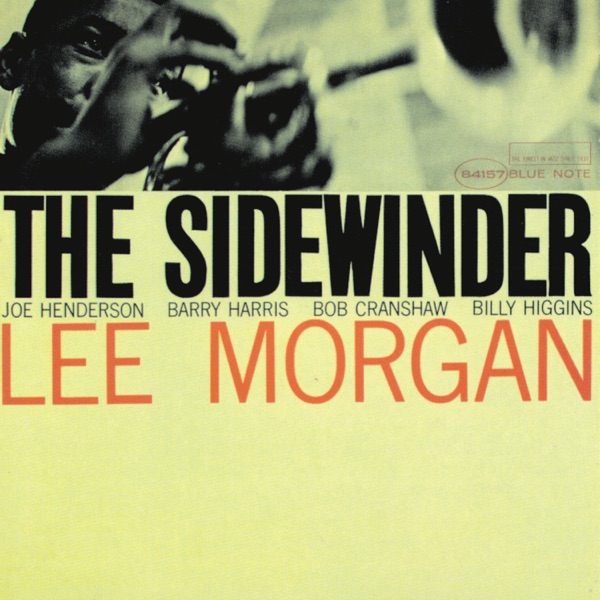
Lee Morgan
Trumpet - United States - Hard Bop & Soul Jazz
Lee Morgan was a trumpet virtuoso whose brash tone and infectious swing made him one of hard bop's most compelling voices. Discovered as a teenager by Dizzy Gillespie, he brought a street-level energy to the genre that balanced technical brilliance with raw emotional directness. His tragically shortened career left behind a catalog of essential recordings that remain unsurpassed in their combination of sophistication and soul.
♫
Idris Muhammad
Drums - USA - Soul Jazz
Idris Muhammad grew up in New Orleans banging on pots and pans before he ever sat behind a kit, and you can hear that street-parade bounce in everything he played, whether it was a Fats Domino session or a Pharoah Sanders record. He spent decades as the drummer other musicians called when they needed a groove that could swing and funk at the same time, and somehow he made that look easy.
♫
Oliver Nelson
Saxophone, Arranger - USA - Post-Bop, Hard Bop
Oliver Nelson wore more hats than most musicians manage in a lifetime — saxophonist, composer, arranger, bandleader, film and television scorer — and he wore all of them well. He is best remembered for one album that pretty much everyone agrees is a stone classic, but his real story is wider and stranger than that single record suggests. Here was a guy who could write for a small jazz combo and a full symphony orchestra with equal confidence, and who quietly shaped the sound of dozens of records without his name ever appearing on the front cover.
♫
David Newman
Tenor Saxophone - United States - Soul Jazz
David Newman spent years playing second fiddle to a genius before anybody outside Texas knew his name — and even after they did, most people knew him by a nickname he got saddled with in school. He turned that nickname into a brand and built a career that outlasted the gig that made him famous.
♫
Claude Nougaro
Vocalist - France - Vocal Jazz
Claude Nougaro started out as a poet who happened to sing, and ended up one of the few French singers who could stand next to jazz musicians without looking like a tourist. He spent four decades chasing the sound of Armstrong and Brazil through chanson, funk, and whatever else caught his ear, and somehow never lost his own voice in the process.
♫
Charlie Palmieri
Piano - United States - Latin Jazz
Charlie Palmieri ran the dance floors of New York before his younger brother Eddie ever picked up a stick of dynamite on the keyboard. He was the guy who could sight-read a mambo chart, swing a bebop solo, and still keep a room full of dancers moving without breaking a sweat.
♫
Eddie Palmieri
Piano - USA - Latin Jazz
Eddie Palmieri took the hard bop piano he grew up loving and ran it headlong into Afro-Cuban and Puerto Rican rhythms, and the collision produced something that neither jazz nor salsa fully owns. For six decades he has been one of the most restless, argumentative bandleaders in New York — a guy who will stop a groove mid-flight to do something harmonically weird and then dare you to keep up. The music is loud, dense, joyful, and occasionally a little dangerous.
♫
Duke Pearson
Piano - United States - Hard Bop
Duke Pearson never chased the spotlight, but if you own more than a handful of Blue Note records from the 1960s, his fingerprints are probably on one of them. He was the label's house pianist, its A&R man, and the guy who wrote the tune everybody eventually covers without knowing where it came from.
♫
Gregory Porter
Vocals - USA - Soul Jazz
Gregory Porter arrived in jazz as a fully formed adult — a former football player turned singer who didn't release his debut album until he was nearly forty. He writes songs that feel like personal letters set to music, sitting somewhere between jazz, gospel, and soul without quite belonging to any of them. His voice is the kind that makes people stop what they are doing.
♫
Tito Puente
Timbales & Percussion - USA - Latin Jazz
If you were anywhere near a Latin dance hall in New York between 1950 and 2000, you were probably hearing Tito Puente before you even walked through the door. He played timbales like he was conducting an argument — loud, precise, and always winning. Over a career that stretched across mambo, cha-cha, boogaloo, salsa, and jazz, he became the face of Latin music in America without ever abandoning the neighborhood he came from.
♫
Ike Quebec
Tenor Saxophone - United States - Soul Jazz
Ike Quebec had one of the fattest, most patient tenor sounds to come out of the swing era, and he spent his last years proving that sound still had a place in the Blue Note of the early sixties. He was also, quietly, one of the most important ears the label ever had — the guy in the room who told Alfred Lion who to record next.
♫
Chuck Rainey
Bass Guitar - USA - Funk / Soul / Jazz
Chuck Rainey is the bass player you've heard a thousand times without knowing his name — the deep, pocket-perfect groove beneath some of the most celebrated recordings of the 1960s and 70s. He played on more hit records than almost anyone else in that era, not by being flashy, but by being exactly right. His work is a masterclass in the idea that restraint is its own kind of virtuosity.
♫
Karriem Riggins
Drums - USA - Contemporary Jazz
Karriem Riggins grew up in Detroit, which probably explains a lot — that city has a way of making musicians who feel equally at home in jazz, hip-hop, and soul without treating any of it as a compromise. He came up playing with Tommy Flanagan and Ray Brown as a teenager, which is a ridiculous amount of mentorship before you're old enough to rent a car. Since then he's built a parallel career as a drummer and producer that refuses to stay in one lane.
♫
Joe Sample
Piano - United States - Soul Jazz / Jazz Fusion
Joe Sample spent his career proving that jazz didn't have to choose between the church, the juke joint, and the radio. He co-founded The Crusaders, turned the Fender Rhodes into something warm and human, and helped write the blueprint for what smooth jazz would later water down.
♫
David Sanborn
Alto Saxophone · USA · Smooth Jazz / Soul Jazz
David Sanborn had one of the most recognizable alto saxophone sounds in contemporary music — a raw, crying tone that could cut through a pop record or stop a jazz club cold. He spent decades walking the line between commercial accessibility and genuine feeling, and more often than he gets credit for, he managed both at once. Critics sometimes held his crossover success against him, but his playing always had more grit and soul than the smooth jazz category ever deserved.
♫
Nina Simone
Piano, Voice — USA — Soul Jazz, Blues, Classical
Nina Simone trained to be a classical pianist and ended up becoming something far harder to categorize — a singer, a protest voice, a cult obsession, and one of the most emotionally direct performers jazz has ever produced. She never quite fit the jazz world, and the jazz world never quite knew what to do with her, which is part of why she still sounds unlike anyone else. Put on almost any record and within thirty seconds you know exactly who it is.
♫
Lonnie Liston Smith
Piano, Keyboards - United States - Spiritual Jazz / Jazz Fusion
Lonnie Liston Smith figured out early that the Fender Rhodes could sound like a sunrise, and he spent the better part of the 1970s proving it. His records with the Cosmic Echoes turned spiritual jazz into something you could dance to, which is a harder trick than it sounds.
♫
Donald Smith
Piano - United States - Spiritual Jazz
Donald Smith made one classic album and then mostly vanished into other people's bands, which is exactly the kind of quiet injustice that makes record collectors obsessive. He came out of a musical family in Richmond, Virginia, and spent his career as a pianist, vocalist, and arranger who showed up on other musicians' sessions far more often than his own name showed up on a cover.
♫
Jimmy Smith
Hammond Organ · USA · Hard Bop / Soul Jazz
Jimmy Smith didn't just play the Hammond B-3 organ — he essentially invented a new way of thinking about it as a jazz instrument. Before Smith arrived on the scene in the mid-1950s, the organ was considered a novelty or a church fixture; after him, it was a legitimate voice for blues, swing, and hard bop. He did this not by being subtle, but by being irresistibly powerful.
♫
Johnny Hammond Smith
Organ - USA - Soul Jazz
Johnny Hammond Smith was the guy who could make a Hammond B-3 sound like a whole church congregation on a Saturday night. He spent the late fifties and sixties cutting greasy, blues-soaked soul jazz for Prestige and Riverside, then reinvented himself in the seventies as a funk and fusion cat for Kudu, dropping the 'Smith' along the way. Either version of him is worth your time.
♫
Sonny Stitt
Saxophone - United States - Bebop
Sonny Stitt spent his whole career answering a question nobody asked him to answer: could you sound like Charlie Parker without actually being Charlie Parker? He got tired of the comparison fast, picked up the tenor to shake it off, and ended up one of the hardest-working, most recorded saxophonists bebop ever produced. Not the innovator, but the guy who could out-blow almost anybody on a given night.
♫
Blue Note Trip 2
Compilation - USA - Various Artists
This is not an artist, it's a mixtape with a record label's whole back catalog as raw material. Blue Note Trip 2 takes deep cuts from the vault and sits them next to contemporary reworkings, letting a Horace Silver groove bleed into a DJ edit without much warning. It's less a listening experience than a listening argument: that the old stuff and the new stuff were always speaking the same language.
♫
Stanley Turrentine
Tenor Saxophone - USA - Soul Jazz
Stanley Turrentine played tenor saxophone like he was telling you something important and didn't want to repeat himself. His sound was big, warm, and unmistakably his own — rooted in the blues, built for small rooms with good acoustics and people who actually wanted to listen. For three decades he made some of the most satisfying jazz records you can find, and somehow still gets underrated in conversations about the greats.
♫
Chris Walker
Bass, Vocals - USA - Contemporary Jazz / Vocal Jazz
Chris Walker is one of those musicians who spent decades making other people's records sound better before stepping out front with his own smoky baritone. He built his reputation as George Benson's bassist, locking down grooves night after night, then turned around and became a quiet storm vocalist in his own right.
♫
Dinah Washington
Vocals - USA - Rhythm & Blues / Jazz
Dinah Washington could walk into almost any style of music and own it — blues, jazz, pop, gospel — and she never sounded like she was trying. She had one of the most distinctive voices in American music: cutting, precise, and loaded with personality. Calling her just a jazz singer is like calling a Swiss Army knife just a knife.
♫
Grover Washington Jr.
Saxophone · USA · Smooth Jazz / Soul Jazz
Grover Washington Jr. made saxophone music that people who claimed they didn't like jazz would put on without complaint — and that was always both his superpower and the thing that got him dismissed in certain circles. He came up steeped in hard bop and R&B, and what he eventually built from those two things was something warm, groove-driven, and unapologetically accessible. He never pretended otherwise, and the best of his records hold up a lot better than his critics ever expected.
♫
Joe Williams
Vocalist - United States - Swing / Vocal Jazz
Joe Williams had one of those voices that could fill a room without raising to a shout — deep, warm, and built for the blues even when he was singing something else entirely. He spent most of the 1950s fronting the Count Basie band and turned a twelve-bar blues into a signature so strong that people forgot anyone else had ever sung it.
♫
Nancy Wilson
Vocals - United States - Vocal Jazz
Nancy Wilson could sing anything and make it sound like it was written just for her — ballads, blues, pop, standards, didn't matter. She never liked being called a jazz singer, and honestly, she had a point: she was a song interpreter who happened to run in jazz circles and came up with some of the best musicians of her generation.
♫
Jimmy Witherspoon
Vocals - United States - Blues & Vocal Jazz
Jimmy Witherspoon had one of those voices that didn't need a microphone, a big booming blues shout that came up through Kansas City swing bands and never lost its grit. He spent a career moving between the blues circuit and jazz stages, equally at home belting over a honking tenor sax or trading phrases with cool-school horn players who usually worked with singers half as loud as him.