Where do you listen?
Choose your streaming service
inside the sleeve
Loading…
inside the sleeveITS
⌕
Read About
Alto Saxophone · USA · Smooth Jazz / Soul Jazz

David
Sanborn

1945 - 2024, USA

David Sanborn had one of the most recognizable alto saxophone sounds in contemporary music — a raw, crying tone that could cut through a pop record or stop a jazz club cold. He spent decades walking the line between commercial accessibility and genuine feeling, and more often than he gets credit for, he managed both at once. Critics sometimes held his crossover success against him, but his playing always had more grit and soul than the smooth jazz category ever deserved.

Soul Jazz
David Sanborn

The Cry That Crossed Over

He came up doing session work in the late 1960s and 1970s, playing on records by David Bowie, James Brown, Stevie Wonder, and a long list of others. That's where a lot of people first heard him without knowing it — that wailing alto on David Bowie's Young Americans (1975) is Sanborn, and it's a good thirty seconds of pure personality dropped into the middle of a pop record. He had a gift for making himself essential to someone else's song without hijacking it.

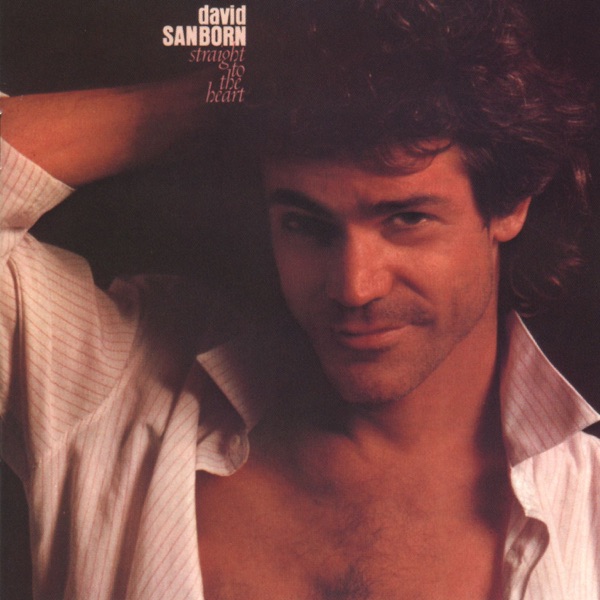
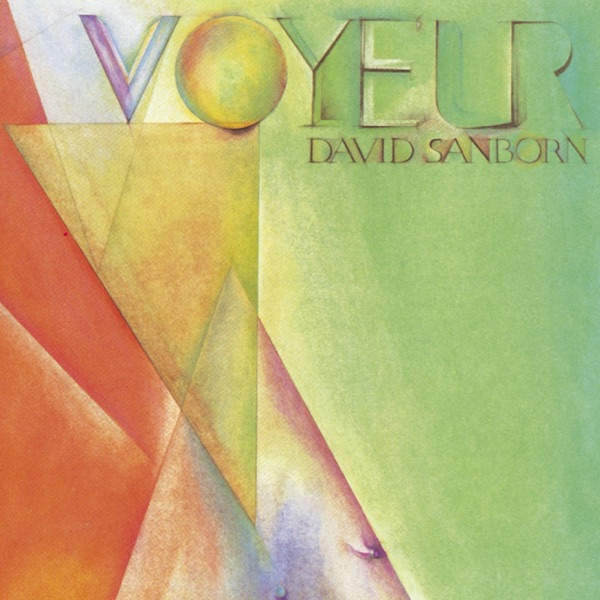
His own solo career, which took off in the mid-1970s on Warner Bros., leaned hard into the smooth, funk-inflected side of things. Albums like Voyeur (1981) and Straight to the Heart (1984) sold well and earned him Grammy awards, which also made certain corners of the jazz world suspicious of him. The criticism was never entirely fair. Yes, the production was polished and radio-ready. But Sanborn's actual playing within those settings was never soft — he attacked phrases, bent notes hard, and brought a soulfulness that a lot of his smooth jazz contemporaries genuinely couldn't match.

He also hosted a late-night TV music program called Night Music in the late 1980s, which ran for two seasons and was genuinely strange and great — booking combinations of artists that nobody else would have put together. It wasn't a huge hit but it had a devoted following and said something real about Sanborn's actual musical curiosity, which ran wider than his commercial profile suggested.

He kept recording into the 2000s and occasionally pushed back toward a harder jazz sound, notably on Closer (2005), which he made with Bob Belden arranging and a more straightforwardly jazz-oriented approach. It showed he could do it when he wanted to. Whether he should have done it more is the kind of argument that's fun to have, but honestly, the crying alto on a well-played ballad was its own valid thing. Not every musician needs to prove themselves to the jazz academy. Sanborn knew what he sounded like and mostly seemed fine with it.
Facts
BornJuly 30, 1945, Tampa, Florida
DiedMay 12, 2024, New York
InstrumentAlto Saxophone
Active1967 – 2024
Known forDistinctive raw alto tone, crossover jazz-pop records, extensive session work across pop and R&B
Connections
David BowieCollaborator, Young Americans sessions, New York
→
Stevie WonderSession collaborator, Los Angeles
→
Hank CrawfordStylistic influence, Alto saxophone
→
Read more

Discography

26 records
Taking Off
Taking Off
1975
♫
Beck & Sanborn
1975
Voyeur
Voyeur
1981
As We Speak
As We Speak
1982
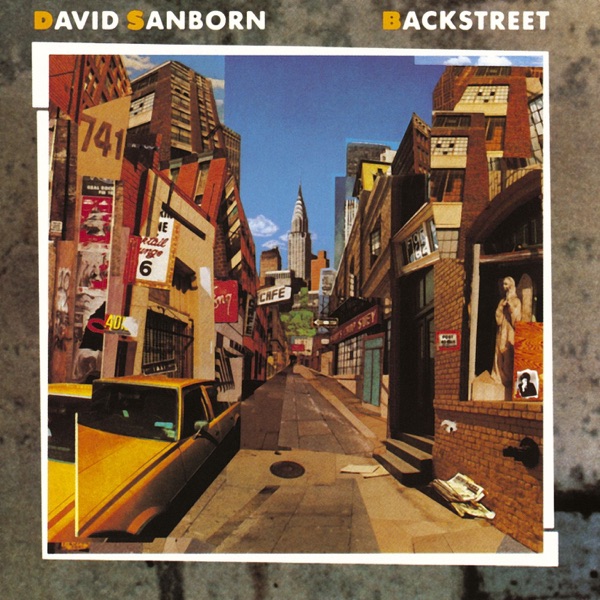
Backstreet
Backstreet
1983
Straight to the Heart
1984
Double Vision
Double Vision
1985
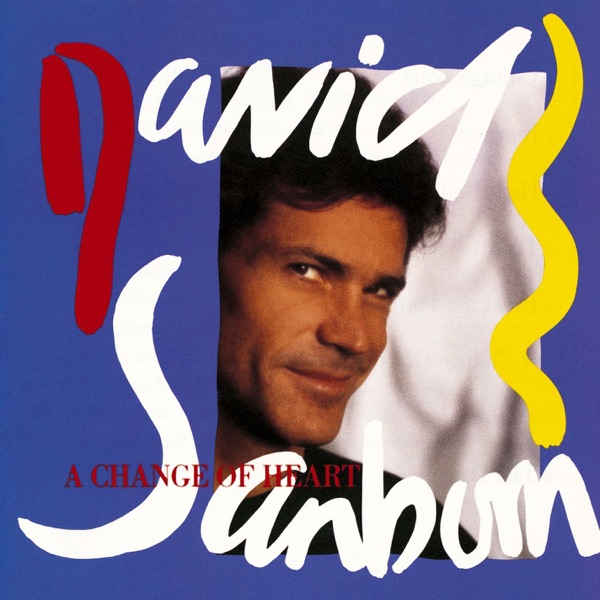
A Change of Heart
A Change of Heart
1987
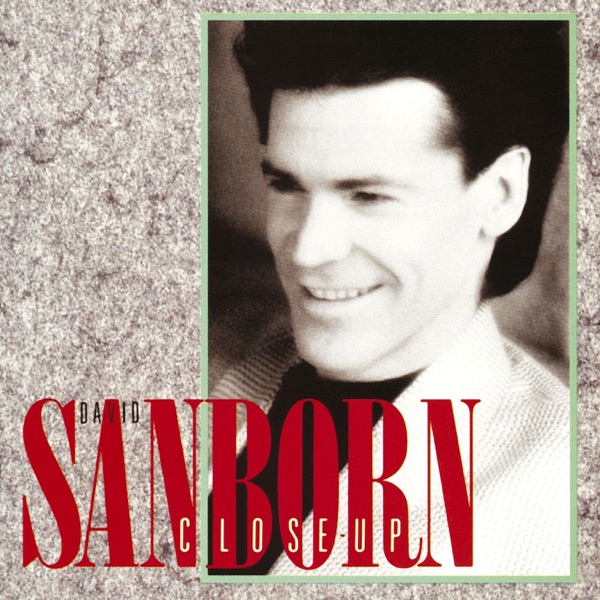
Close‐Up
Close‐Up
1988
David Sanborn
David Sanborn
1990
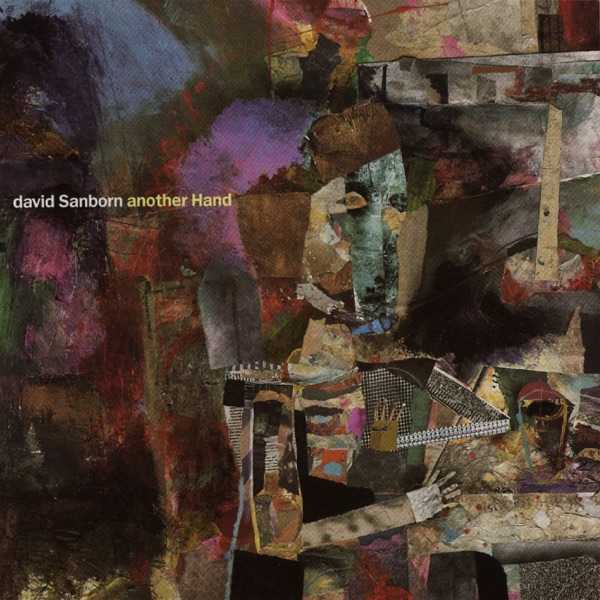
Another Hand
Another Hand
1991
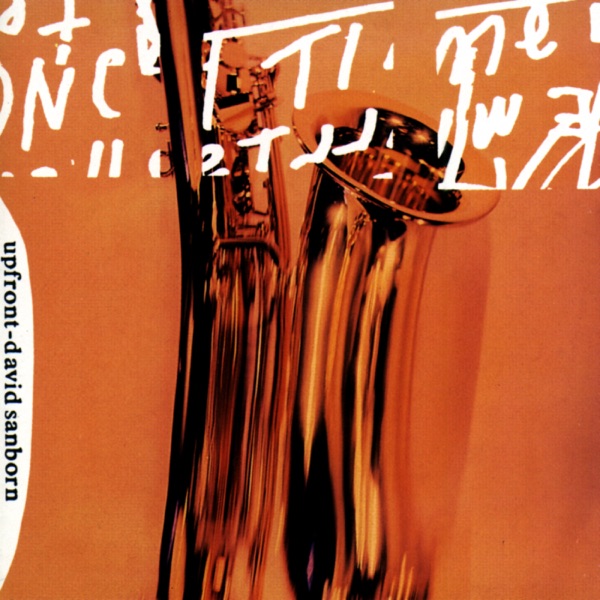
Upfront
Upfront
1992
Hearsay
Hearsay
1994
Pearls
Pearls
1995
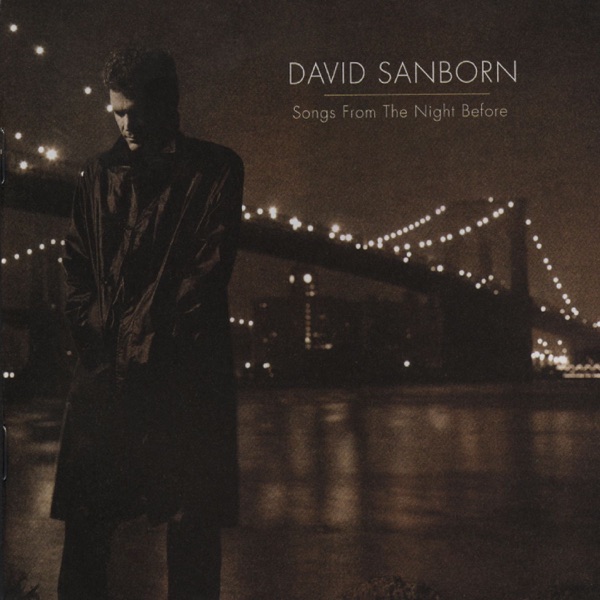
Songs From the Night Before
1996
Inside
Inside
1999
Timeagain
Timeagain
2003
Closer
Closer
2005
Promise Me The Moon
Promise Me The Moon
2007
Here & Gone
Here & Gone
2008
Only Everything
Only Everything
2010
Quartette Humaine
Quartette Humaine
2013
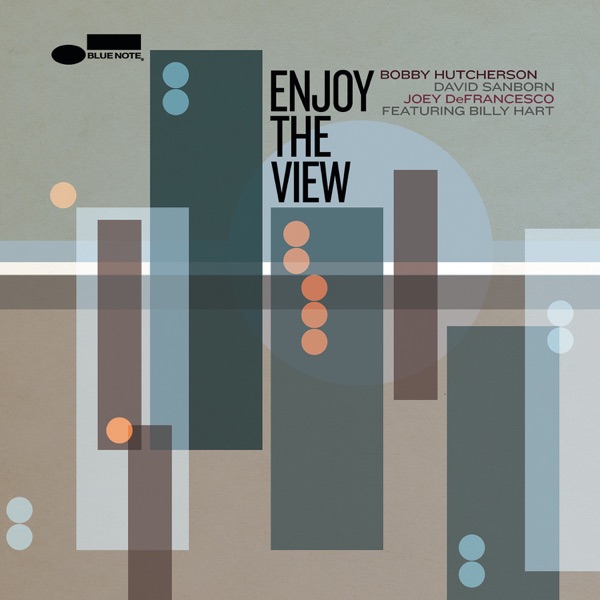
Enjoy the View
Enjoy the View
2014
Time and the River
Time and the River
2015
This Masquerade
This Masquerade
2018
Sanborn
Sanborn

Collaborations

Live on Youtube

Explore Further

Selected connections
Alto Saxophonist, USA
Hank Crawford
If you want to understand where Sanborn's soulful, blues-drenched alto approach came from, Hank Crawford is the direct line. Gospel-soaked and deeply R&B, Crawford was doing this sound before it had a category.
Explore →
Album, 1975
Young Americans – David Bowie
One of the best places to hear what Sanborn could do when dropped into someone else's session — his alto is all over this record and it elevates every moment it appears.
Explore →

Who's playing
Listen next
Recording Info
Track listing
Musicians
Further Reading
Read more

Where next?

More by this artist

Albums with the same musicians

From the same era

Similar artists

inside the sleeve
Growing
Jazz, explained without pretension.
Read · Follow the connections · Press play
Right now: 7,100+ albums · 440+ artists
Start here
New to jazz? These artists are good places to start.
Loading…
Explore
Nine records worth getting lost in.
Born today
Album of the day
A landmark record, every day.
Read
  • Loading…
Article archive →
Recently added
Purpose
Inside the Sleeve is your companion on a journey through jazz — not a textbook, but something closer to a knowledgeable friend sitting next to you while you listen. Read about an artist, press play, follow a connection, discover an album you didn't know you needed.
Suggestions
Read

Articles

Essays, guides, and lists about jazz and the records that matter.

Loading…

Genre

Key Artists
Further Reading

Essential Albums

Related Genres

In This Genre

About

Inside the Sleeve

Work in progress

Inside the Sleeve grows continuously — new artists and albums are added, essays refined, as visitors explore and our editors follow up on what they find. Content, features, and design are still evolving; use the Report error button on any page to flag something that seems off.

Content

Every artist, album, and release date on Inside the Sleeve is real — verified against trusted sources including MusicBrainz and Wikipedia. We don't invent discographies or fabricate records. AI compiles that verified information into readable prose — essays on artists, albums, and the music itself. We can't manually review every essay before publishing, but every reported error is checked by a human editor.

Inside the Sleeve is not a review site. We're not here to rate or rank — we're here to guide you in. Where an album stands out, we'll say so. Where an artist changed everything, you'll know why. But we won't tear anything down. Jazz history is complex and sources sometimes disagree — if you spot something that seems off, please report it.

Streaming

Inside the Sleeve links to Spotify and Apple Music so you can listen while you read. These are not affiliate links. For Spotify, links open a search on open.spotify.com — we do not have direct links to specific recordings. For Apple Music, direct links are used where available, otherwise a search is opened.

Your choice of streaming service is stored locally in your browser only. It is never sent to our servers.

We're working on deeper Spotify integration, including direct links to specific recordings.

Privacy

Inside the Sleeve does not collect personal data and does not use cookies. We count page visits anonymously using a self-hosted analytics tool — no personal identifiers are stored, and the data never leaves our own server. The only preference stored on your device is your streaming service choice, saved locally in your browser and never transmitted.

When you submit a suggestion or error report, the text you write is stored in our database. No name or email is required or collected unless you choose to provide one.

Third-party services

Spotify and Apple Music are independent services with their own terms of use and privacy policies. Inside the Sleeve is not affiliated with or endorsed by either company.

Support

Inside the Sleeve is free and ad-free. If you enjoy it, a coffee helps cover server costs and keeps the project going.

Amazon

Some book recommendations on Inside the Sleeve link to Amazon. Buying through these links costs you nothing extra — but Amazon pays us a small commission, which goes directly towards keeping the site running. It's a simple way to support the project if you were going to buy the book anyway.

As an Amazon Associate, Inside the Sleeve earns from qualifying purchases.

Questions or feedback? Use the suggestion box on the front page.

Inside the Sleeve — A guide for those who want to go beyond the obvious About & Privacy