Where do you listen?
Choose your streaming service
inside the sleeve
Loading…
inside the sleeveITS
⌕
Read About
Flute - USA - Jazz Fusion

Herbie
Mann

1930 - 2003, United States

Herbie Mann was the guy who made the flute a real jazz instrument, then spent the rest of his career annoying critics by refusing to sit still in one genre. He chased bossa nova to Brazil, funk to Memphis, and highlife to Africa, and he usually came back with a hit record. Jazz snobs sneered, audiences didn't care, and Mann just kept going.

Jazz FusionLatin JazzSoul JazzContemporary Jazz
Herbie Mann

The Flute Player Who Wandered

Before Herbie Mann, the flute in jazz was mostly a novelty — something a saxophonist doubled on for one track. Mann made it his main voice and built a career on it, which was already an odd choice in a music dominated by horns and pianos. He had chops, sure, but what set him apart was restlessness. He didn't want to play one style of jazz for forty years; he wanted to go wherever the groove was, and in the fifties and sixties that meant Brazil, Africa, and Cuba as much as it meant New York clubs.

That wandering ear gave us records like Herbie Mann at the Village Gate (1962), a loose, sweaty live date that showed he could swing hard in a small-group setting when he wanted to. But he was just as likely to show up with Brazilian guitarists playing bossa nova a full year or two before it became an American obsession, or touring West Africa and coming back with rhythms nobody in a New York jazz club had heard before. He treated jazz less like a tradition to protect and more like a toolbox.

The commercial peak came with Memphis Underground (1969), recorded with Southern session players and a young Duane Allman on guitar. It's funky, greasy, unmistakably a product of Stax-era Memphis soul filtered through a jazz flute, and it sold better than almost anything else with the word 'jazz' near it that year. A couple years later he doubled down with Push Push (1971), leaning even further into groove and funk, and picked up plenty of jazz-world side-eye for it — the cover alone, Mann shirtless with the flute, told you this wasn't aiming for the Blue Note crowd.

That crossover success is exactly why critics were slow to give him credit. Mann wasn't interested in the kind of harmonic complexity that got you praised in liner notes; he wanted the room moving. He ran his own labels, chased trends before they were trends, and made a disco record in the mid-seventies when plenty of his peers considered that beneath them. None of that made him fashionable among purists, but it made him a working musician with a long career and a genuine audience.

Listen to him now and the appeal is obvious — hip-hop producers have been sampling his grooves for decades, and world music as a marketing category basically owes him a thank-you note. He wasn't chasing importance. He was chasing a good time and a good beat, in whatever country he happened to find it, and that turned out to be its own kind of contribution.
Facts
BornApril 16, 1930, Brooklyn, New York
DiedJuly 1, 2003, Pecos, New Mexico
InstrumentFlute
Active1950s - 2003
Known forPopularizing the flute as a lead jazz instrument and fusing jazz with bossa nova, Afro-Cuban rhythm, and Southern soul
Connections
Chick CoreaPianist in Mann's early-1960s group, New York
→
Duane AllmanGuitarist on Memphis Underground, Memphis
→
Willie BoboPercussionist and frequent collaborator, New York
→
Read more

Discography

36 records
Flamingo, Volume 2
Flamingo, Volume 2
1955
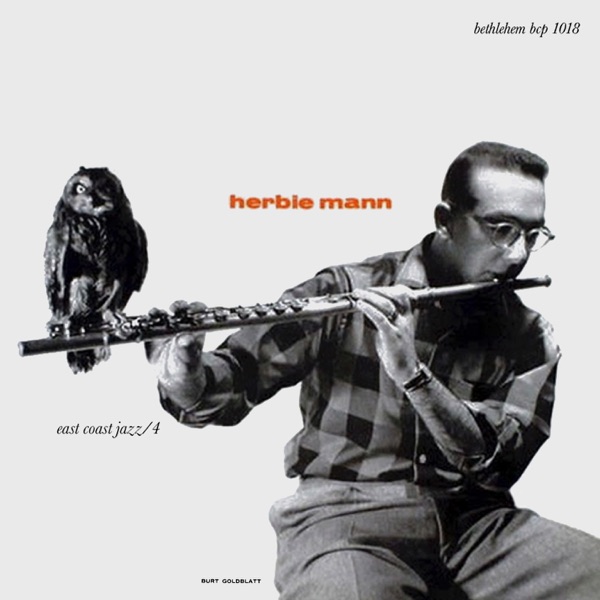
East Coast Jazz/4
East Coast Jazz/4
1955
♫
This Is Chris
1955
The Herbie Mann-Sam Most Quintet
1956
Mann in the Morning
Mann in the Morning
1956
Herbie Mann Plays
Herbie Mann Plays
1956
♫
Salute to the Flute
1957
♫
Mann Alone
1957
♫
Hi Flutin'
1957
Flute Flight
Flute Flight
1957
Flute Soufflé
Flute Soufflé
1957
Great Ideas of Western Mann
1957
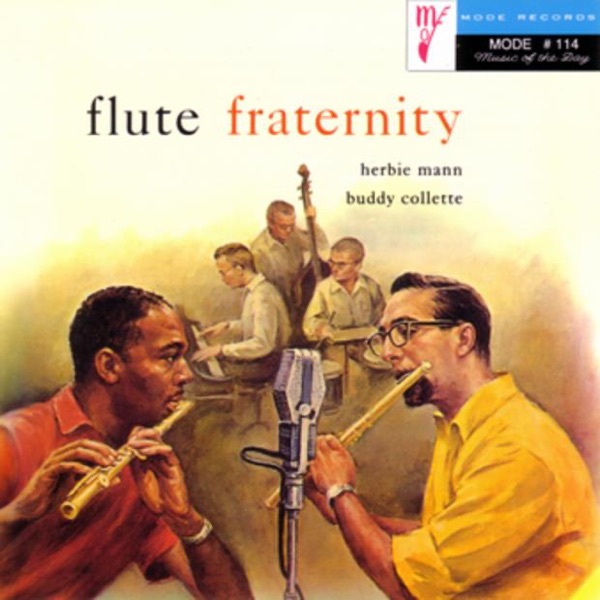
Flute Fraternity
Flute Fraternity
1957
Herbie Mann With The Wessel Ilcken Trio
1958
Flute, Brass, Vibes & Percussion
1961
Herbie Mann at the Village Gate
1962
Do the Bossa Nova with Herbie Mann
1962
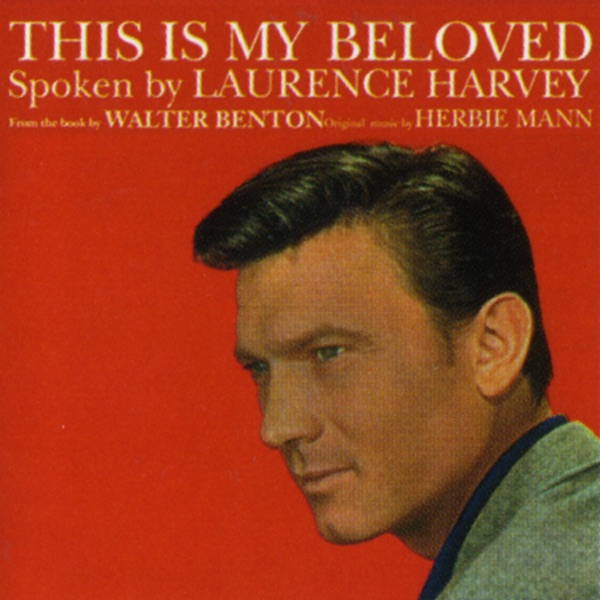
This Is My Beloved
This Is My Beloved
1962
♫
Richard Rodgers’ No Strings. An After‐Theatre Version
1962
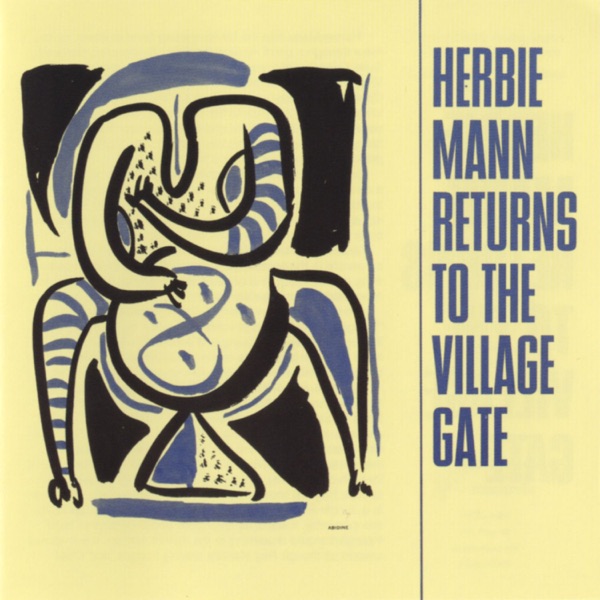
Herbie Mann Returns to the Village Gate
1963
Live at Newport
Live at Newport
1963
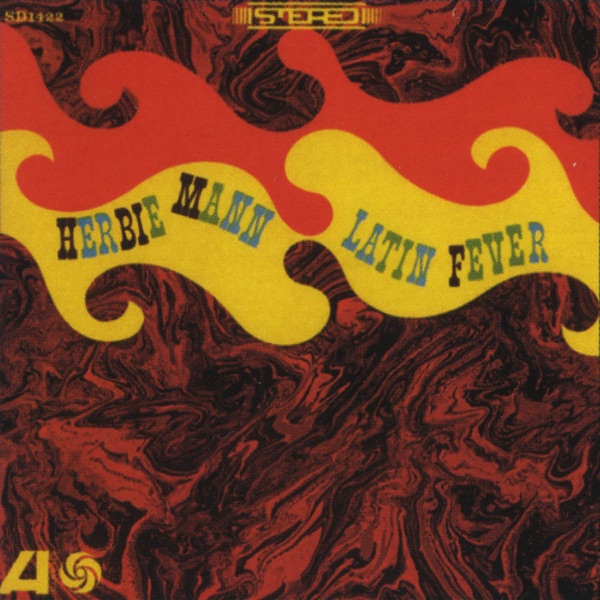
Latin Fever
Latin Fever
1964
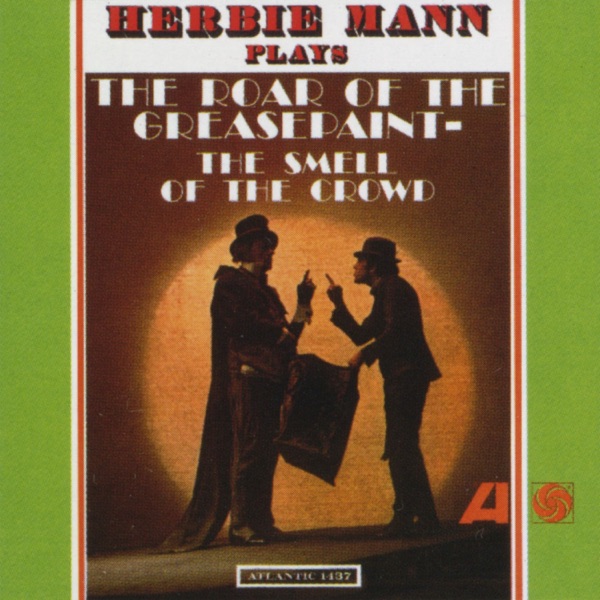
The Roar of the Greasepaint - The Smell of the Crowd
1965
♫
Monday Night at the Village Gate
1966
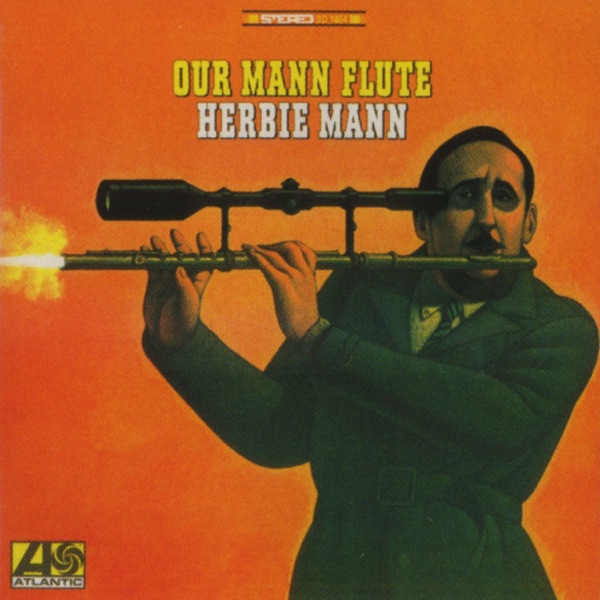
Our Mann Flute
Our Mann Flute
1966
♫
St. Thomas
1967
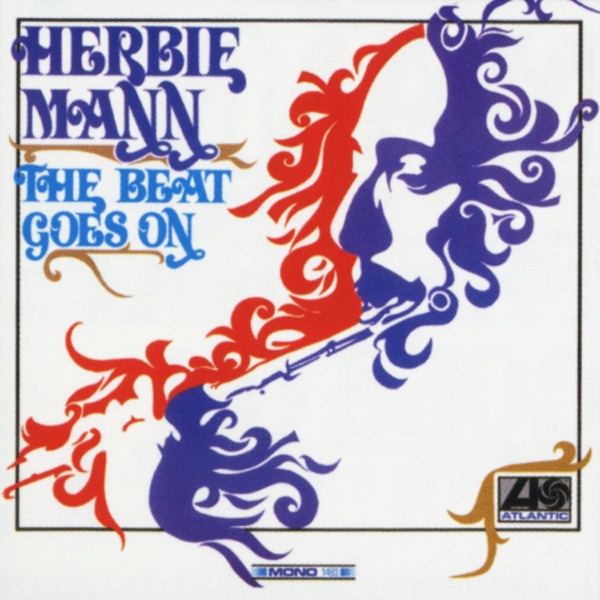
The Beat Goes On
The Beat Goes On
1967
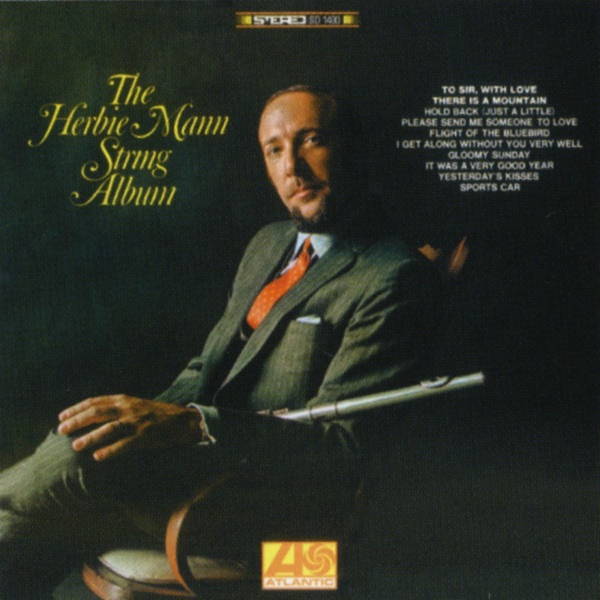
The Herbie Mann String Album
1967
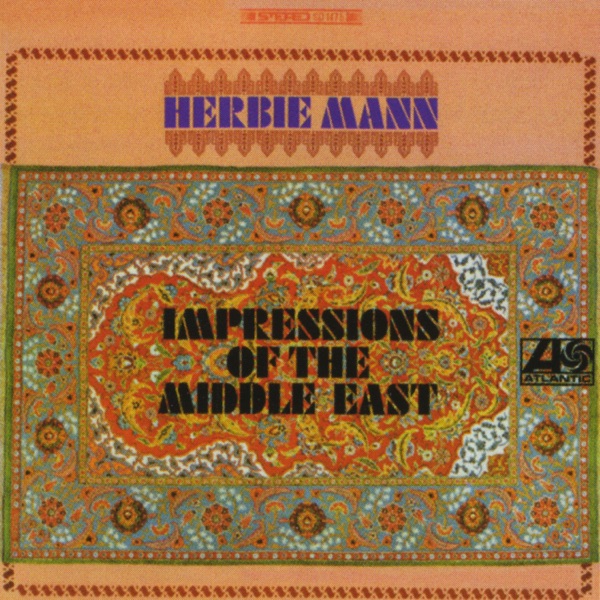
Impressions of the Middle East
1967
♫
A Mann & A Woman
1967
Glory of Love
Glory of Love
1968
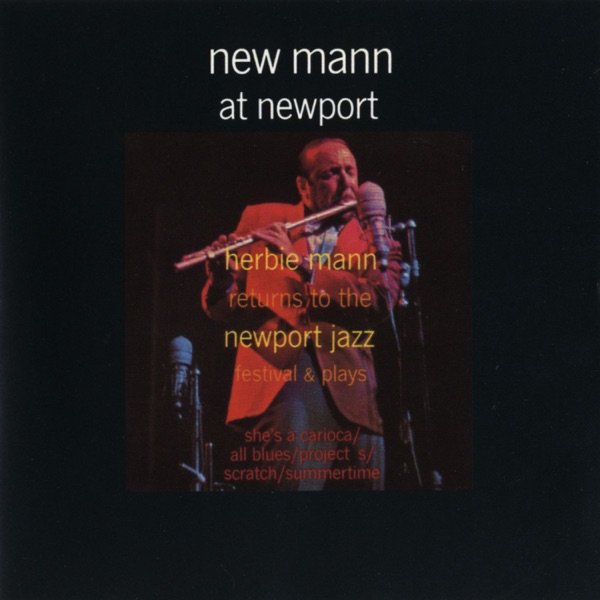
New Mann at Newport
New Mann at Newport
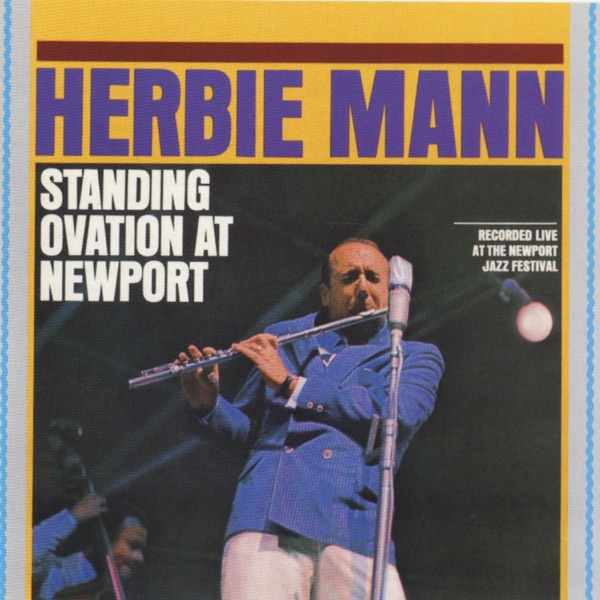
Standing Ovation at Newport
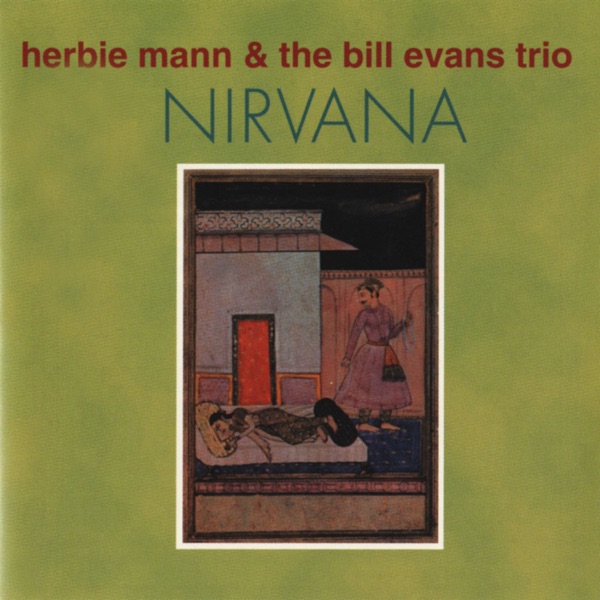
Nirvana
Nirvana
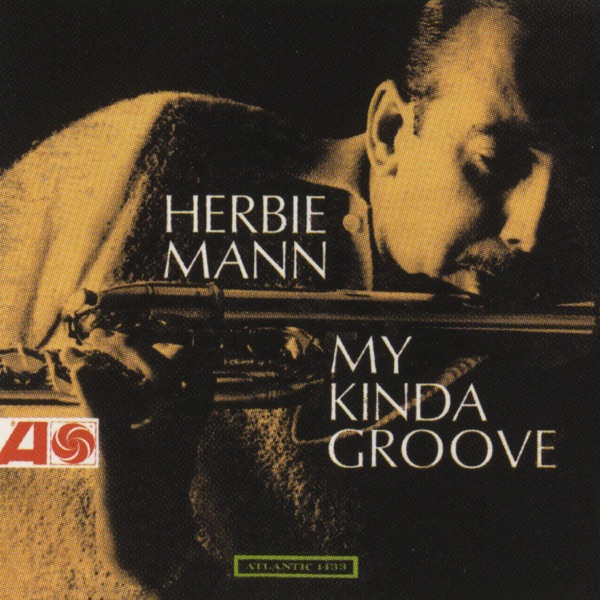
My Kinda Groove
My Kinda Groove
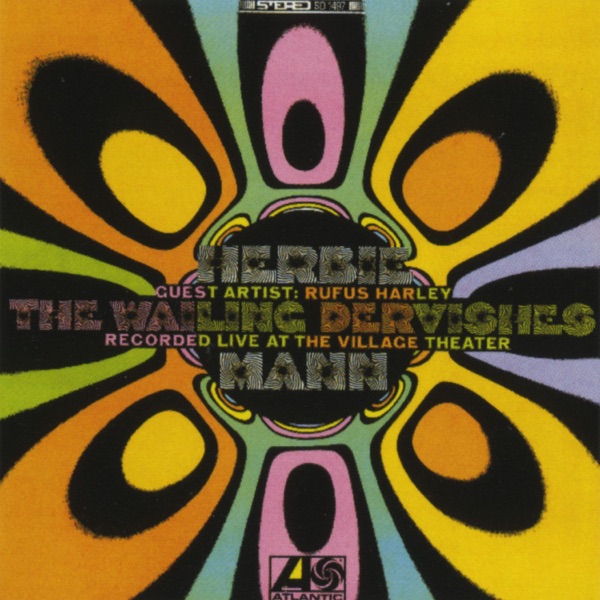
The Wailing Dervishes

Collaborations

Live on Youtube

Explore Further

Selected connections
Flutist, USA
Yusef Lateef
Another flute-forward jazz explorer who mixed in world instrumentation, but with a heavier spiritual and modal streak than Mann's groove-first approach.
Explore →
Album, 1969
Memphis Underground (1969)
Mann's biggest crossover hit — jazz flute over Memphis soul session players, and the clearest entry point into why he mattered commercially.
Explore →
Percussionist, Cuba
Willie Bobo
A longtime Mann collaborator whose Afro-Cuban rhythms shaped the Latin side of Mann's sound.
Explore →

Who's playing
Listen next
Recording Info
Track listing
Musicians
Further Reading
Read more

Where next?

More by this artist

Albums with the same musicians

From the same era

Similar artists

inside the sleeve
Growing
Jazz, explained without pretension.
Read · Follow the connections · Press play
Right now: 7,100+ albums · 440+ artists
Start here
New to jazz? These artists are good places to start.
Loading…
Explore
Nine records worth getting lost in.
Born today
Album of the day
A landmark record, every day.
Read
  • Loading…
Article archive →
Recently added
Purpose
Inside the Sleeve is your companion on a journey through jazz — not a textbook, but something closer to a knowledgeable friend sitting next to you while you listen. Read about an artist, press play, follow a connection, discover an album you didn't know you needed.
Suggestions
Read

Articles

Essays, guides, and lists about jazz and the records that matter.

Loading…

Genre

Key Artists
Further Reading

Essential Albums

Related Genres

In This Genre

About

Inside the Sleeve

Work in progress

Inside the Sleeve grows continuously — new artists and albums are added, essays refined, as visitors explore and our editors follow up on what they find. Content, features, and design are still evolving; use the Report error button on any page to flag something that seems off.

Content

Every artist, album, and release date on Inside the Sleeve is real — verified against trusted sources including MusicBrainz and Wikipedia. We don't invent discographies or fabricate records. AI compiles that verified information into readable prose — essays on artists, albums, and the music itself. We can't manually review every essay before publishing, but every reported error is checked by a human editor.

Inside the Sleeve is not a review site. We're not here to rate or rank — we're here to guide you in. Where an album stands out, we'll say so. Where an artist changed everything, you'll know why. But we won't tear anything down. Jazz history is complex and sources sometimes disagree — if you spot something that seems off, please report it.

Streaming

Inside the Sleeve links to Spotify and Apple Music so you can listen while you read. These are not affiliate links. For Spotify, links open a search on open.spotify.com — we do not have direct links to specific recordings. For Apple Music, direct links are used where available, otherwise a search is opened.

Your choice of streaming service is stored locally in your browser only. It is never sent to our servers.

We're working on deeper Spotify integration, including direct links to specific recordings.

Privacy

Inside the Sleeve does not collect personal data and does not use cookies. We count page visits anonymously using a self-hosted analytics tool — no personal identifiers are stored, and the data never leaves our own server. The only preference stored on your device is your streaming service choice, saved locally in your browser and never transmitted.

When you submit a suggestion or error report, the text you write is stored in our database. No name or email is required or collected unless you choose to provide one.

Third-party services

Spotify and Apple Music are independent services with their own terms of use and privacy policies. Inside the Sleeve is not affiliated with or endorsed by either company.

Support

Inside the Sleeve is free and ad-free. If you enjoy it, a coffee helps cover server costs and keeps the project going.

Amazon

Some book recommendations on Inside the Sleeve link to Amazon. Buying through these links costs you nothing extra — but Amazon pays us a small commission, which goes directly towards keeping the site running. It's a simple way to support the project if you were going to buy the book anyway.

As an Amazon Associate, Inside the Sleeve earns from qualifying purchases.

Questions or feedback? Use the suggestion box on the front page.

Inside the Sleeve — A guide for those who want to go beyond the obvious About & Privacy