Mann's Flute Meets the Middle East
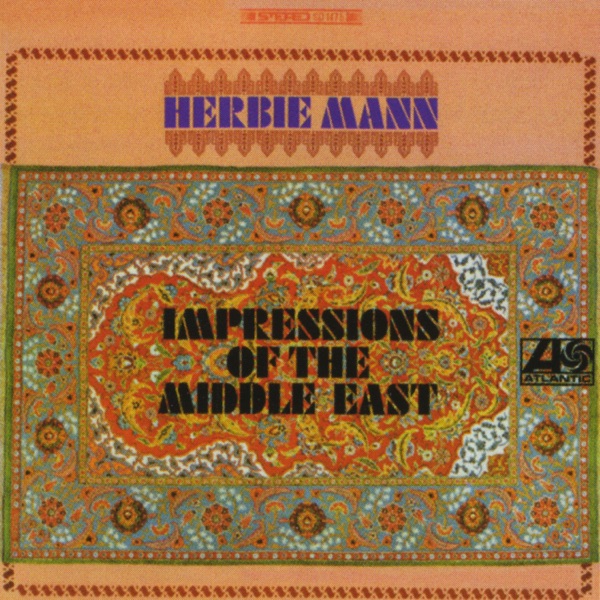
Herbie Mann took his flute on a sound journey across the Middle East and brought home something lively and unexpected.
Julian Priester is the musician who gives this record its shape. On trombone he pushes against Mann's flute with a warm, rounded tone that keeps the melodies grounded, and his presence in the ensemble helps the album avoid sounding like a tourist's postcard. The brass and reeds lean into the modal sketches, and when the arrangements open up, Priester's lines are often the ones that make you lean forward.
The album was recorded for Atlantic and released in 1967, when Mann was already well known for taking world musics into a jazz frame. The sessions gather a large percussion section alongside the horns, so the rhythms pull in several directions at once. Roy Ayers adds vibraphone color, and Charles Ganimian's oud and Mohamed Elakkad's zither give the textures a distinctly different surface from the usual jazz quintet.
This is not Mann's deepest or most essential record, and it sits off to the side of his main run of albums. It is a good entry point for listeners curious about his world-music experiments, and a fun one. Priester's contributions are the reason to pay attention, and they make the record more than a novelty.
Who's playing
Reggie Workmanbass
Jimmy Owenstrumpet
Joseph Orangetrombone
Julian Priestertrombone
Herbie Mannflute
Bruno Carrdrums
Hachig Kazarianpercussion
Geraldine Sweepercussion
Moulay "Ali" Hafidpercussion
Robert Marashlianpercussion
Carlos “Patato” Valdéscongas
Roy Ayersvibraphone
Charles "Chick" Ganimianoud
Mohamed Elakkadzither
Where next?
More by Herbie Mann
All 36 albums →


The musicians on this record
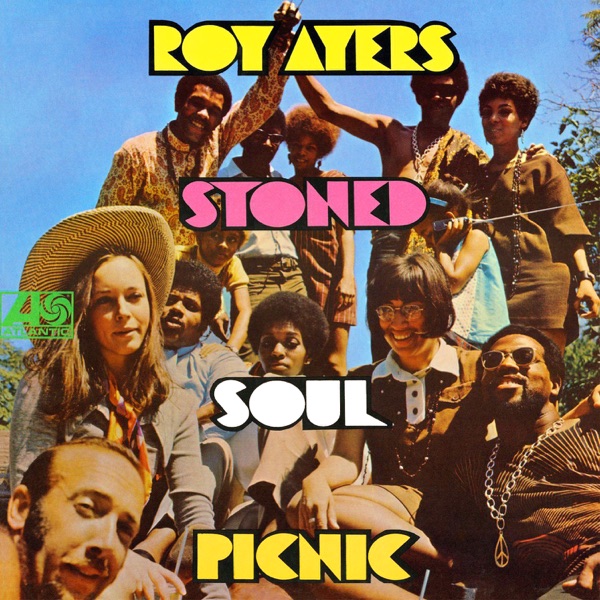
Stoned Soul Picnic 1968
Roy Ayers
plays vibraphone here
plays vibraphone here

Masters From Different Worlds 1994
Julian Priester
plays trombone here
plays trombone here