1965 · Album
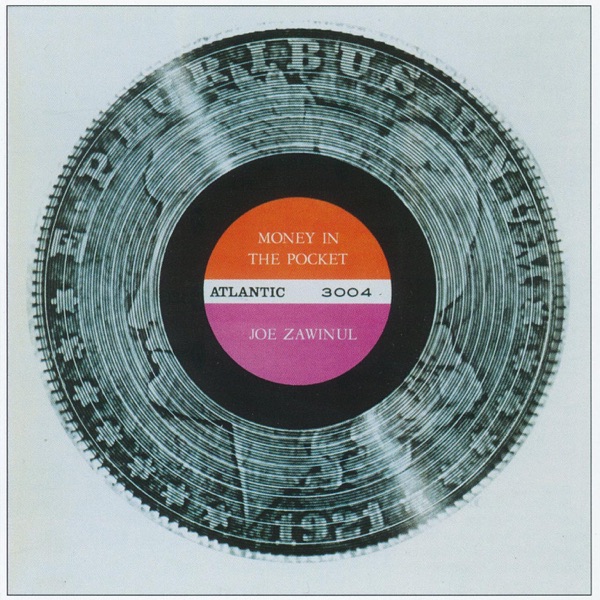
Money In The Pocket
Recorded 1966 · Atlantic · Produced by Not specified in verified sources
Before the Fusion: Zawinul's Soul-Jazz Foundation
A conventional soul-jazz session that gives no hint of the shape shifts coming later.
Money in the Pocket arrived in 1966 as Joe Zawinul's first album under his own name, recorded for Atlantic Records at a moment when the keyboardist was still working within the hard bop and soul-jazz vocabulary of the mid-1960s. The session captures a musician comfortable in this idiom—steeped in driving grooves, backbeats, repeating riffs, and the kind of horn-harmony wailing and stop-time breaks that defined the style. It's straightforward stuff: functional, energetic, rooted in what was working on the bandstand and in clubs.
What makes this record worth hearing now is precisely what the critics noted at the time: it contains absolutely no warning of what Zawinul would become. A few years later, he would help pioneer jazz fusion with Weather Report, moving toward synthesizers, electronic textures, and compositional approaches that seemed to come from nowhere. Listening back to Money in the Pocket, you hear none of that restlessness or experimentation. He sounds like a capable sideman playing the music of his era, not a musician plotting his escape from it.
That doesn't make the album essential, but it does make it interesting as a document. If you're curious about where Zawinul started—the conventional foundation before the radical departures—this is it. For most listeners, the later Weather Report recordings will matter far more. But for anyone following his trajectory, this first Atlantic session is the baseline, the sound of a musician still asking the same questions everyone else was asking.
Who's playing
Sam Jonesdouble bass
Bob Cranshawbass
Joe Zawinulpiano
Pepper Adamsbaritone saxophone
Joe Hendersontenor saxophone
Clifford Jordantenor saxophone
Blue Mitchelltrumpet
Louis Hayesdrums
Roy McCurdydrums
Where next?
More by Joe Zawinul
All 12 albums →


The musicians on this record
Their own records, close in time