One Man's Synthesizer Orchestra
Zawinul proved electronic instruments can shake your body and reach your emotions when mastered by someone who knows what they're doing.
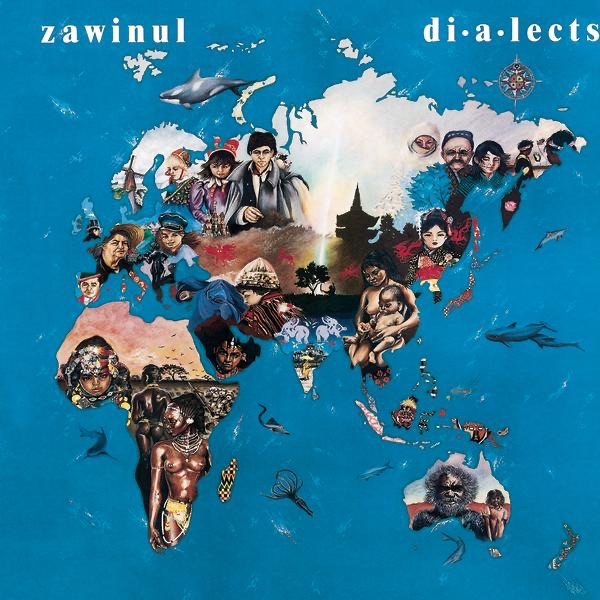
Dialects stands apart in Zawinul's catalog because he built it entirely alone. No band, no session players beyond vocal contributors — just him, his synthesizers, rhythm machines, and the voices he layered in. Bobby McFerrin appears here with his signature onomatopoeic improvisations, while a vocal trio sings in a language Zawinul invented for the album. It's a weird setup, and it works because Zawinul treats the synths like an orchestra and the voices like additional instruments rather than lead elements.
The record lands somewhere between Prince's keyboard-heavy funk and electronic experimentation, which sounds stranger on paper than it plays. Zawinul's rhythmic and harmonic riffs drive the album forward with real groove — this isn't academic electronic music. Pablo Guzmán at Spin heard it as "synths sounding clarion calls of change," and he caught something real about Zawinul's approach here. The arrangements have teeth. They're built on bop and funk sensibilities, not just texture for its own sake.
This is a deep album, the kind that gets overlooked because it doesn't fit neatly into what listeners expect from a jazz musician's solo project. An AllMusic reviewer nailed the core issue: the album proves that electronic instruments can reach emotions and move bodies when played by someone who actually mastered them. That's Zawinul's point across these tracks — technique matters, discipline matters, and knowing your instrument inside out matters more than the instrument itself.
Who's playing
Joe Zawinulsynthesizer
Where next?
More by Joe Zawinul
All 12 albums →