The Band That Wouldn't Stay Still
Weather Report arrived in 1971 at a moment when jazz was fracturing — some players heading toward free abstraction, others toward rock and soul, many listeners wondering if the music had any future at all. Joe Zawinul, an Austrian-born keyboardist who had spent years absorbing African American musical traditions from the inside out, and Wayne Shorter, the former Miles Davis sideman whose compositional instincts were unlike anyone else's, decided the question itself was wrong. Rather than choosing a lane, they built a band that occupied several at once. The early records — Weather Report (1971), I Sing the Body Electric (1972) — are spacious, sometimes disorienting, full of texture and silence in equal measure.
The group went through a significant shift in the mid-seventies when Miroslav Vitouš, the original bassist whose approach was more classical than rhythmic, gave way to players who leaned harder into groove. The arrival of Jaco Pastorius in 1976 is the moment most people point to, and for good reason. Pastorius brought a fretless bass sound that was simultaneously melodic and propulsive, and his presence pushed the band toward something more accessible without making it simple. Heavy Weather (1977) became their best-selling record, anchored by the irresistible bass-and-keyboard figure of 'Birdland' — a track that managed to be commercially friendly and genuinely inventive at the same time.
What actually distinguishes Weather Report from most fusion bands is the quality of the writing. Zawinul and Shorter composed music that didn't sound like jazz tunes with rock rhythms bolted on — it sounded like something that had grown up from the intersection of those things naturally. Shorter's pieces in particular have a kind of sideways logic to them, where you can never quite predict where the melody is going but it always feels inevitable in retrospect. And Zawinul's synthesizer work, which could have dated badly, mostly hasn't, because he used electronics to create atmosphere and texture rather than flashiness.
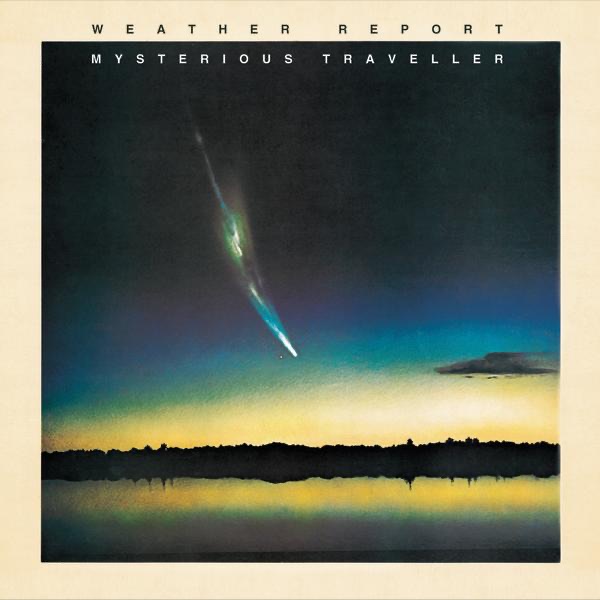
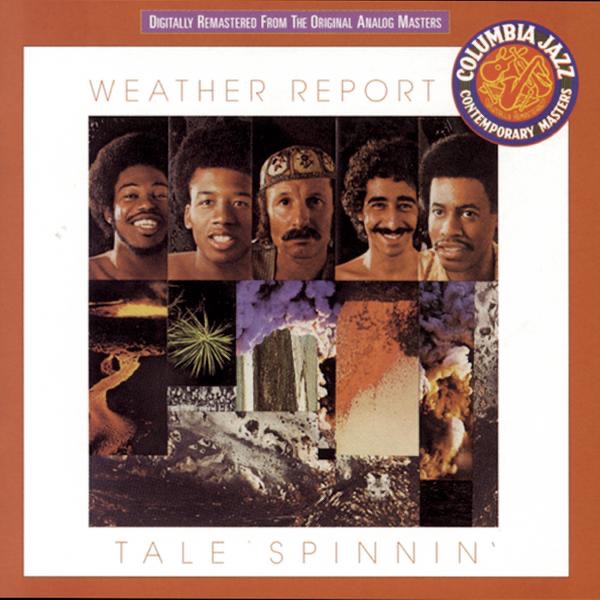
That said, the band's catalog is uneven, and anyone approaching it should know that not every record rewards the same attention. The late-period albums, made after Pastorius had departed and the lineup had cycled again, can feel more polished than inspired. The sweet spot for most listeners is the run from Mysterious Traveller (1974) through Mr. Gone (1978) — a stretch where the band was taking real risks and mostly pulling them off. Tale Spinnin' (1975) and Black Market (1976) in particular capture the group at a peak of rhythmic confidence that never tips over into showing off.
Weather Report disbanded in 1986, and the jazz world has been somewhat ambivalent about the fusion era ever since — a complicated legacy that has more to do with critical fashion than musical reality. What's worth hanging onto is this: the band made records that reward repeated listening in the way that the best jazz always does, where you keep noticing new details. Shorter and Zawinul were genuinely accomplished musicians who cared about craft, and the music reflects that. Put on 'Birdland' if you want an entry point, but don't stop there.