1971 · Album
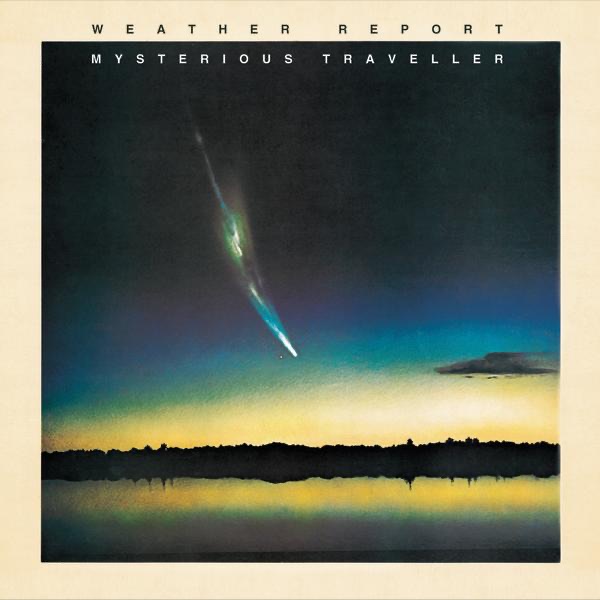
Weather Report
Recorded 1971 · Columbia Records · Produced by Joe Zawinul, Wayne Shorter

Weather Report: The First Conversation
Five musicians in a room, no overdubs, figuring out what they could be together.
Weather Report arrived in 1971 as the sound of five musicians testing each other in real time. Joe Zawinul on keyboards and Wayne Shorter on saxophone had already worked together in Miles Davis's fusion bands, but this was different — a fresh start, no precedent. In the studio with Miroslav Vitouš on bass, Alphonse Mouzon on drums, and Airto Moreira on percussion, they were building a language from scratch. The early tracks feel like that: exploratory, sometimes uncertain, but never timid. Zawinul's keyboard work sits somewhere between funk and abstraction. Shorter's saxophone doesn't solo in the traditional sense so much as color the spaces between rhythms. Vitouš anchors everything with a bassist's logic, while Mouzon and Moreira handle the texture, the feel, the push and pull.
This album matters because it proved that fusion didn't have to mean rock rhythms plus jazz chops. Weather Report sounded like nobody else — not Herbie's Band or McLaughlin's thing or any established template. The interplay is what gets you: listen to how the drums and percussion answer the keyboards, how Shorter's tone shifts to match whatever Zawinul starts. There's no guitar, no horns beyond the sax. It's a deliberate choice that lets every sound breathe.
The record found an audience right away and established a template the band would refine across many albums. "Birdland," which Zawinul wrote as a tribute to the Birdland nightclub in New York City, would become their signature piece when it appeared on the 1977 album Heavy Weather (1977), earning Zawinul recognition that extended to later recordings by other artists. But here, on the debut, you hear the foundation being poured.
Who's playing
Miroslav Vitoušbass
Joe Zawinulkeyboard, piano
Wayne Shortersaxophone
Alphonse Mouzondrums
Airto Moreirapercussion
Where next?
More by Weather Report
All 13 albums →


The musicians on this record

Schizophrenia 1969
Wayne Shorter
plays saxophone here
plays saxophone here

Zawinul 1971
Joe Zawinul
plays keyboard here
plays keyboard here

Infinite Search 1970
Miroslav Vitous
plays bass here
plays bass here
♫
Virgin Land 1974
Airto Moreira
plays percussion here
plays percussion here


