
Post-Bop Balancing at the Edge
Shorter and his band teeter between post-bop discipline and free jazz abandon, and the tension is the point.
Herbie Hancock's piano is the element that keeps this album anchored while everything around it pushes outward. On Schizophrenia (1969), Hancock plays with the harmonic cleverness he was developing in the Miles Davis circle, but here he is comfortable letting the structures loosen, which gives the band room to lean toward the free end of the spectrum without falling into it. Ron Carter and Joe Chambers provide the rhythmic floor, and the interplay among the four of them is where the record's identity lives.
The album was recorded in 1967 and released on Blue Note in 1969, and it features five Shorter compositions along with an arrangement of James Spaulding's "Kryptonite." Spaulding's alto and flute and Curtis Fuller's trombone add a front line that is more textured than the usual Shorter quintet sound, and the ensemble work often sounds like musicians testing how far they can stretch before the form snaps back.
AllMusic reviewer Stephen Thomas Erlewine described the music as sitting at the border between post-bop and free jazz, grounded in one while aware of the other. That is an accurate read. Within a few years Shorter would cross that line more decisively, so this record serves as a useful waypoint for listeners tracing his move toward the more open work of the early 1970s. It is not the place to start with Shorter, but for anyone already following his Blue Note output, it shows the band in the middle of an argument with itself, and that is worth hearing.
Who's playing
Ron Carterdouble bass
Herbie Hancockpiano
Wayne Shortertenor saxophone
James Spauldingalto saxophone, flute
Curtis Fullertrombone
Joe Chambersdrums
Where next?
More by Wayne Shorter
All 24 albums →

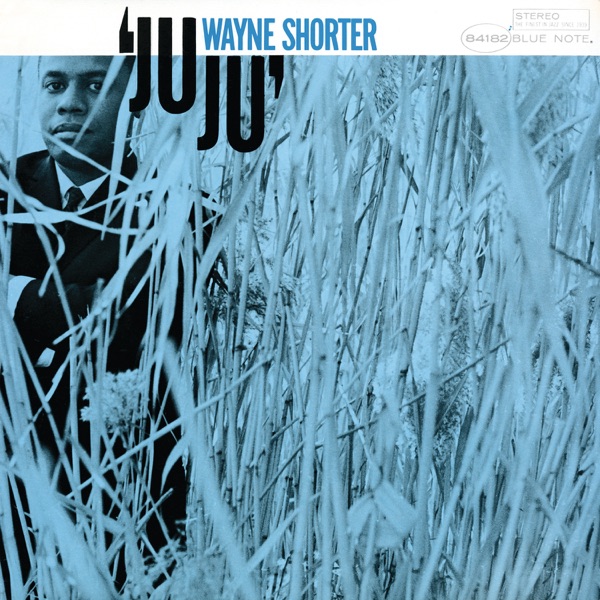

The musicians on this record

The Egg 1968
Herbie Hancock
plays piano here
plays piano here

Uptown Conversation 1969
Ron Carter
plays double bass here
plays double bass here
♫
The Almoravid 1974
Joe Chambers
plays drums (drum set) here
plays drums (drum set) here


