
A Bassist's Manifesto in Debut Form
Vitouš arrives fully formed, leading rather than following, with stars orbiting his vision.
Infinite Search is Miroslav Vitouš's first album as a leader, and it announces him as a composer and conceptualist, not just a bassist. This is his statement of intent—a declaration that he belongs at the center, not the margins. Coming into jazz from Eastern Europe with virtuosity already in place, Vitouš needed to prove something else: that he had ideas, taste, and the authority to shape a session around them.
The band is stacked. Herbie Hancock on piano, John McLaughlin on guitar, Joe Henderson on tenor saxophone, and Jack DeJohnette and Joe Chambers splitting drums duties—this is company that could easily overwhelm a debut bandleader. Instead, Vitouš holds the room. His bass lines are melodic and searching, never just timekeeping. The album moves between abstraction and groove, tracks like "Infinite Search" itself showing a bassist who thinks in phrases the way a saxophonist does. The sound is spacious and deliberate, recorded in a way that lets each voice breathe. Hancock's piano work especially gains clarity here—no dense voicings, just necessary notes.
This is not a comfortable listen in the way a trio session might be. The album has friction, ambition, and oddly spaced silences. It was released on Embryo Records and later reissued under different titles—Mountain in the Clouds, The Bass—each version tweaking the sequence slightly. The Penguin Guide to Jazz Recordings rated it 3.5/4, recognizing both its reach and its occasional ungainliness. For anyone wanting to understand Vitouš's later work, this is essential. For casual listeners, start elsewhere—but for those ready to follow his thinking, Infinite Search is exactly what the title promises.
Who's playing
Miroslav Vitoušdouble bass
Herbie Hancockpiano
John McLaughlinguitar
Joe Hendersontenor saxophone
Jack DeJohnettedrums
Joe Chambersdrums
Where next?
More by Miroslav Vitous
All 29 albums →


The musicians on this record
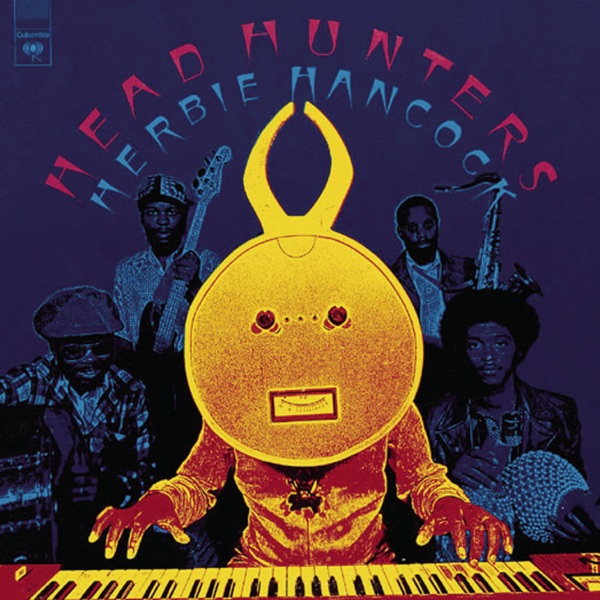
Head Hunters 1973
Herbie Hancock
plays piano here
plays piano here

Power To The People 1969
Joe Henderson
plays tenor saxophone here
plays tenor saxophone here

My Goal’s Beyond 1971
John McLaughlin
plays guitar here
plays guitar here

Pictures 1968
Jack DeJohnette
plays drums (drum set) here
plays drums (drum set) here


