1972 · Album
I Sing the Body Electric
Columbia Records · Released: 1972 · Studio Album Position: Second studio album

Joe Zawinul's Electric Vision Reshapes Jazz
Zawinul's synthesizer work here wasn't decoration — it was the album's backbone, redefining what fusion could be.
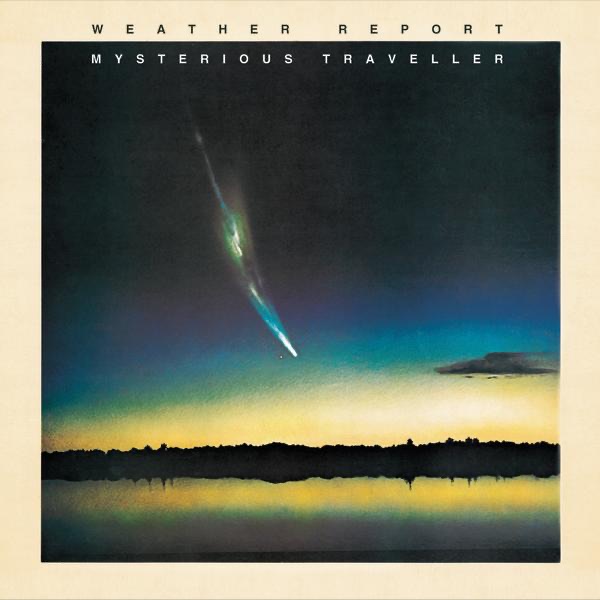
Joe Zawinul arrives on I Sing the Body Electric (1972) not as a sideman but as the architect of Weather Report's sound. His work on the Fender Rhodes and early Moog synthesizer gave the band its identity in ways that transcended typical keyboard accompaniment. Where others might have played supportive chords, Zawinul composed textures and moods that shaped entire pieces from the ground up. His synthesizer lines on tracks like "Mysterious Traveller" aren't flourishes — they're the songs themselves, strange and liquid, anchoring the band's experiments with African rhythms and free improvisation.
This was only Weather Report's second album, released two years after their debut, and Zawinul's presence here made the difference between a promising group and something genuinely strange. He brought a different sensibility to what could have been another fusion exercise. The Penguin Guide to Jazz Recordings gave the album 3.5 out of 4 stars, noting its unusual direction. Zawinul's fusion of electronic textures with the band's free-form approach felt new in 1972, when most fusion bands were still chasing Herbie Hancock's Mwandishi template.
If you're coming to Weather Report for the first time, this isn't the obvious starting point — Heavy Weather (1977) remains their most accessible work. But if you want to understand how Zawinul shaped the band's restless, searching quality, I Sing the Body Electric shows him still hungry to find what electronic instruments could actually do in a band setting, rather than just play what acoustic instruments played.
Who's playing
Miroslav Vitoušbass
Ralph Towner12 string guitar
Wilmer Wisetrumpet
Hubert Lawsflute
Eric Kamau Gráváttdrums
Dom Um Romãopercussion
Wayne Shorterreeds
Andrew Whitecor anglais
Joe Zawinulkeyboard
Where next?
More by Weather Report
All 13 albums →


The musicians on this record

Native Dancer 1975
Wayne Shorter
plays reeds here
plays reeds here

Zawinul 1971
Joe Zawinul
plays keyboard here
plays keyboard here

Infinite Search 1970
Miroslav Vitous
plays bass here
plays bass here


